Marciana Library and Archaeological Museum Library
Masterpiece by Sansovino on the Piazzetta, the Biblioteca Marciana houses the manuscripts bequeathed by Cardinal Bessarion in 1468. It adjoins the Archaeological Museum, born from the antique collection of the Grimani family.
A complementary visit in the heart of St Mark's
Less well known than the nearby basilica or the Doge's Palace, the monumental halls of the Marciana and the Archaeological Museum offer a particularly interesting visit: Greek books saved and collected by humanists, architecture inspired by Rome, and ancient sculptures tell of Venice's desire to present itself as one of the great heirs of classical and Byzantine culture.
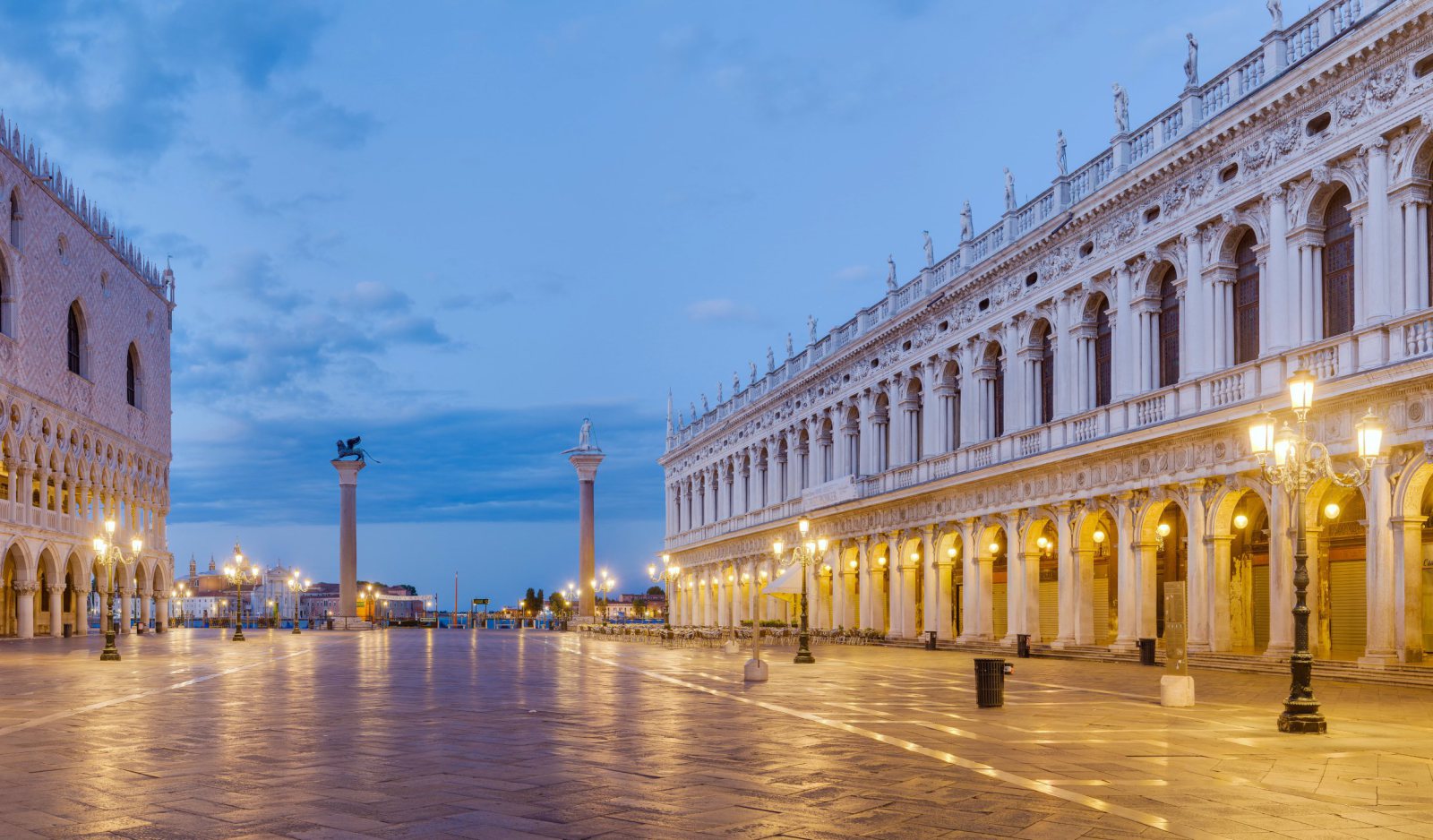
Marciana Library, Piazzetta San Marco
Since 2025, a ticket allows visitors to go directly to the Archaeological Museum and the monumental halls of the Marciana, with access from the Piazzetta San Marco. They are also included in the combined itinerary of the St Mark's Square museums with the Correr Museum and the Doge's Palace.
The Biblioteca Marciana, Sansovino's masterpiece on the Piazzetta
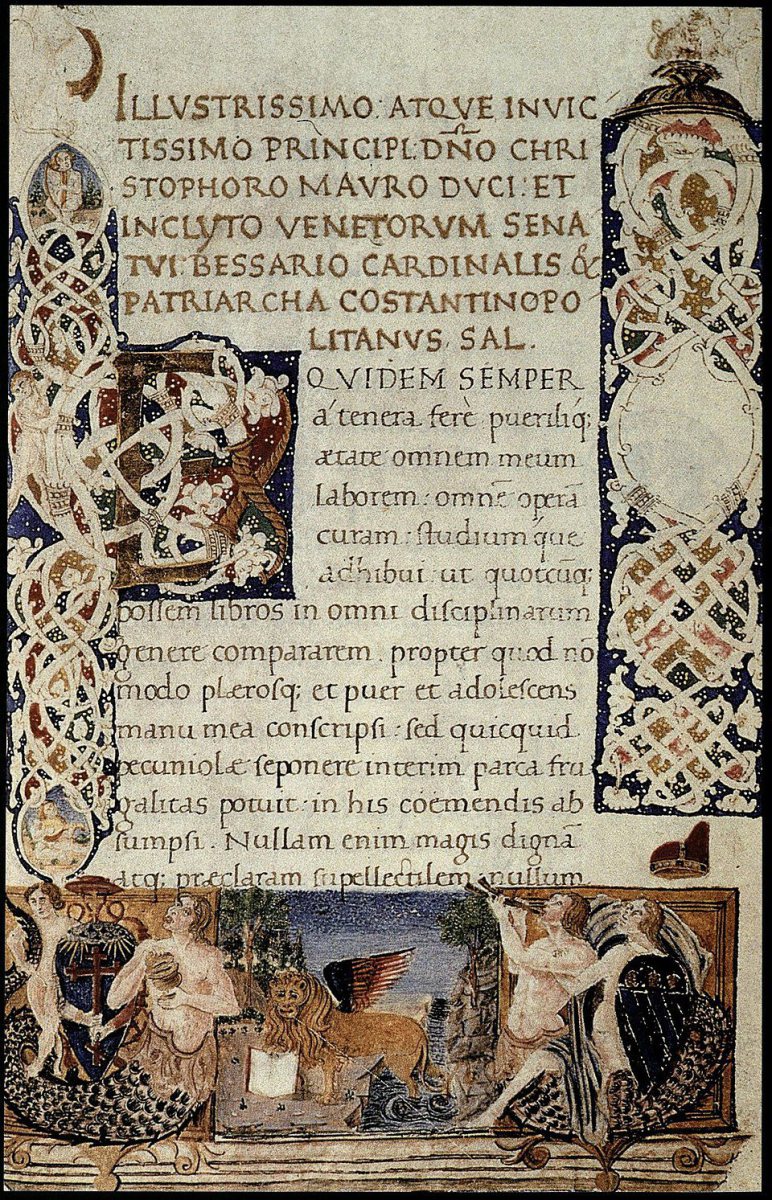
Letter to the Doge from Cardinal
Bessarion, 1468
On the Piazzetta San Marco, facing the Doge's Palace, the Biblioteca Marciana — the National Marciana Library — ranks among the great achievements of the Renaissance in Venice. Its two-level façade, inspired by ancient Roman architecture, combines on the ground floor arcades of the Doric order and, above, an Ionic loggia crowned by a balustrade full of statues. Palladio considered it one of the richest and most ornate buildings constructed since antiquity.
The library's history took a decisive turn in 1468, when Cardinal Bessarion, a Greek humanist and great defender of Hellenic culture, donated his exceptional collection to the Republic. The bequest at that time comprised 548 Greek codices, 337 Latin ones, and 27 incunables. Bessarion in particular wanted to preserve and transmit the Greek intellectual heritage in a context marked by the fall of Constantinople in 1453. The works arrived in Venice from 1469 and were initially kept in the Doge's Palace, awaiting a library worthy of their importance.
Bessarion's books were installed in the new Libreria in 1560, on walnut desks to which many are still attached by chains. The décor turns the library into a true manifesto of Venetian humanist culture. In the vestibule, Wisdom, painted by Titian around 1560, dominates a spectacular trompe-l'œil ceiling. Sansovino's staircase, enriched with stuccoes by Alessandro Vittoria, develops a Neoplatonic programme that symbolically leads man from earthly influences to virtue and then knowledge.
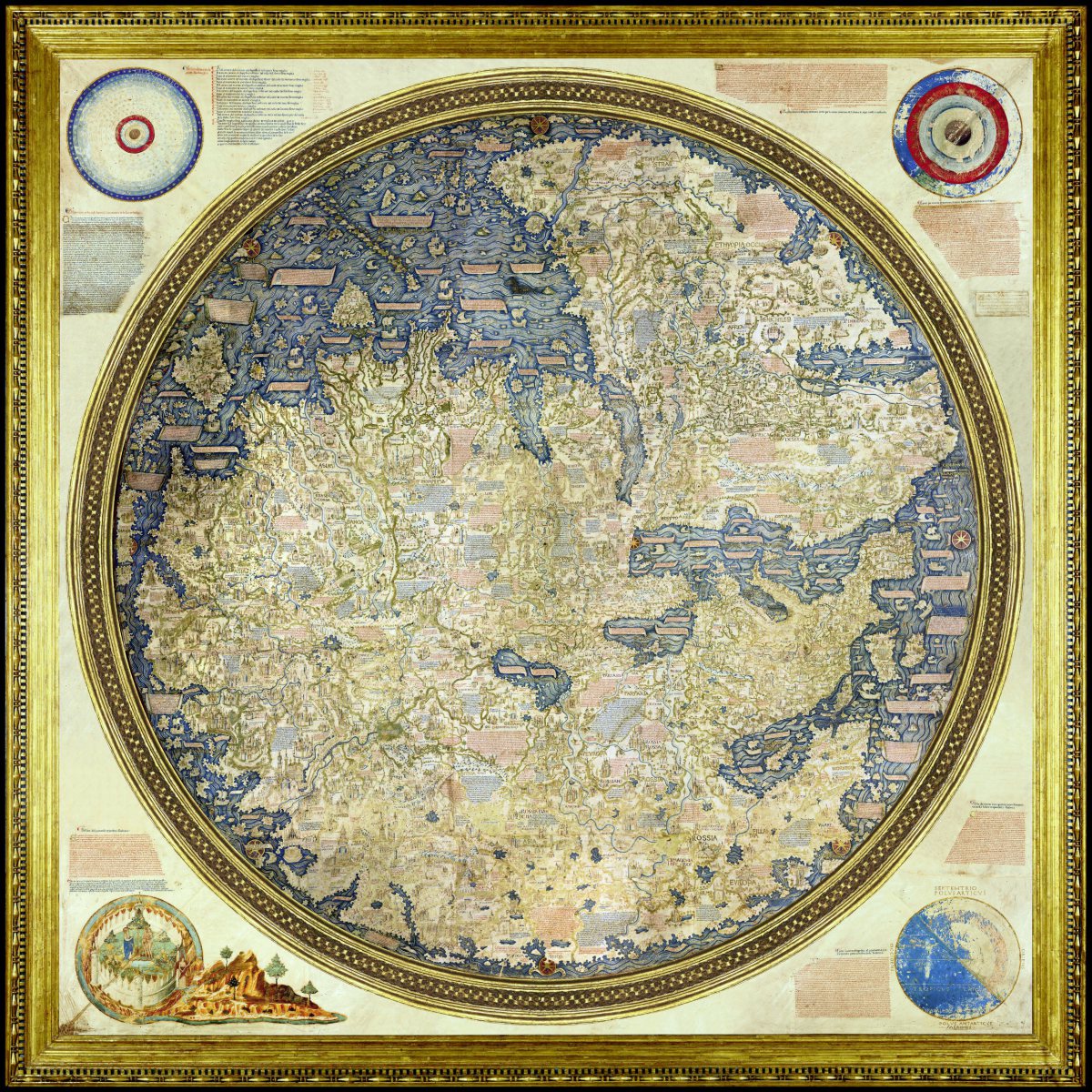
Fra' Mauro's World Map, 1460
(Piero Falchetta, via Wikimedia Commons)

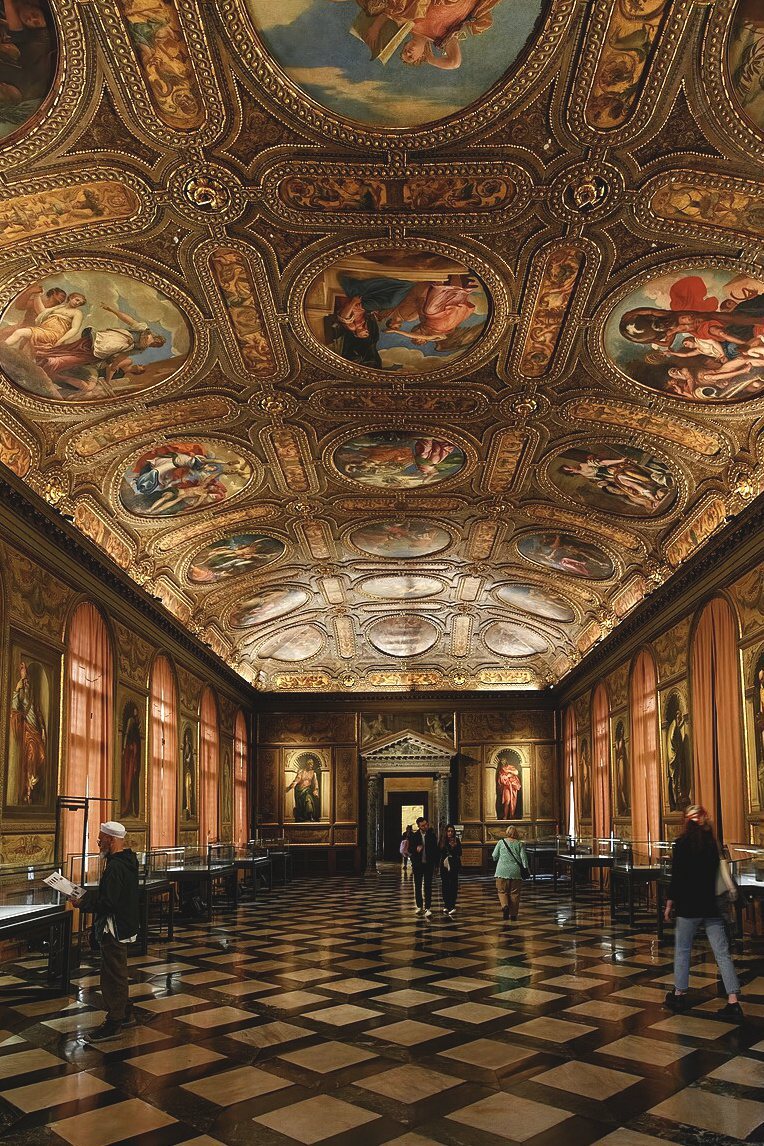
In the grand hall, the gilded ceiling brings together twenty-one tondi painted notably by Paolo Veronese, Andrea Schiavone, Battista Zelotti, Battista Franco, Giulio Licinio, Giuseppe Salviati, and Giovanni De Mio. The walls feature figures of philosophers to which Tintoretto and Veronese notably contributed. Two large globes by Vincenzo Coronelli, made at the end of the 17th century, today complete this exceptional set.
Gallery
Biblioteca Marciana, first reading room
Marciana Library, Piazzetta San Marco
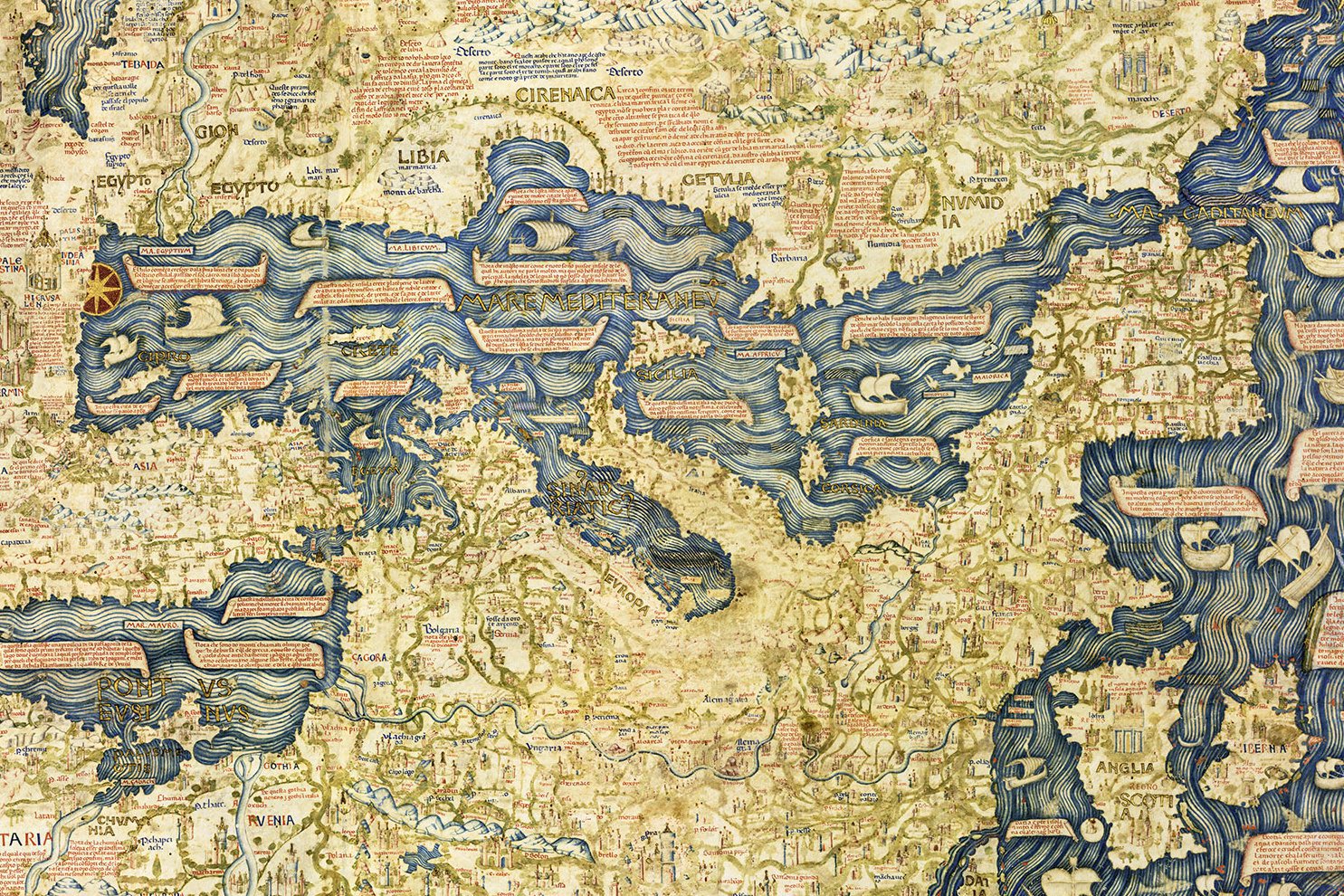
World map by Fra' Mauro (detail), 1460
The Archaeological Museum, from the Grimani to the Statuario Pubblico
In the extension of the museum itinerary, at the beginning of the Procuratie Nuove, the National Archaeological Museum has its origins in the great collections of antiquities assembled by the Venetian aristocracy. In 1523, Cardinal Domenico Grimani bequeathed to the Republic an important part of his ancient marbles and bronzes gathered in Rome. As early as 1525, several sculptures were exhibited in the Doge's Palace in the Sala delle Teste.
His nephew Giovanni Grimani continued this policy by donating to the Serenissima, in the 1580s, a vast collection of ancient statues and reliefs. These works joined the vestibule of the Marciana, redesigned by Vincenzo Scamozzi: opened as the Statuario Pubblico in 1596, this ensemble constitutes one of the oldest public museums of ancient sculpture in Europe. More than two hundred sculptures were then presented in a setting designed to evoke antiquity.
Housed since 1926 in the Procuratie Nuove, the museum today preserves Greek and Roman sculptures, imperial portraits, reliefs, ceramics, bronzes, ivories, gems, and coins. Among the pieces from the Grimani collections are notably representations of Ulysses, Galates, Trajan, and Roman copies of famous Greek works. The ensemble shows how much the taste for antiquity was already deeply rooted in the culture of the Venetian elites well before the birth of modern archaeology.
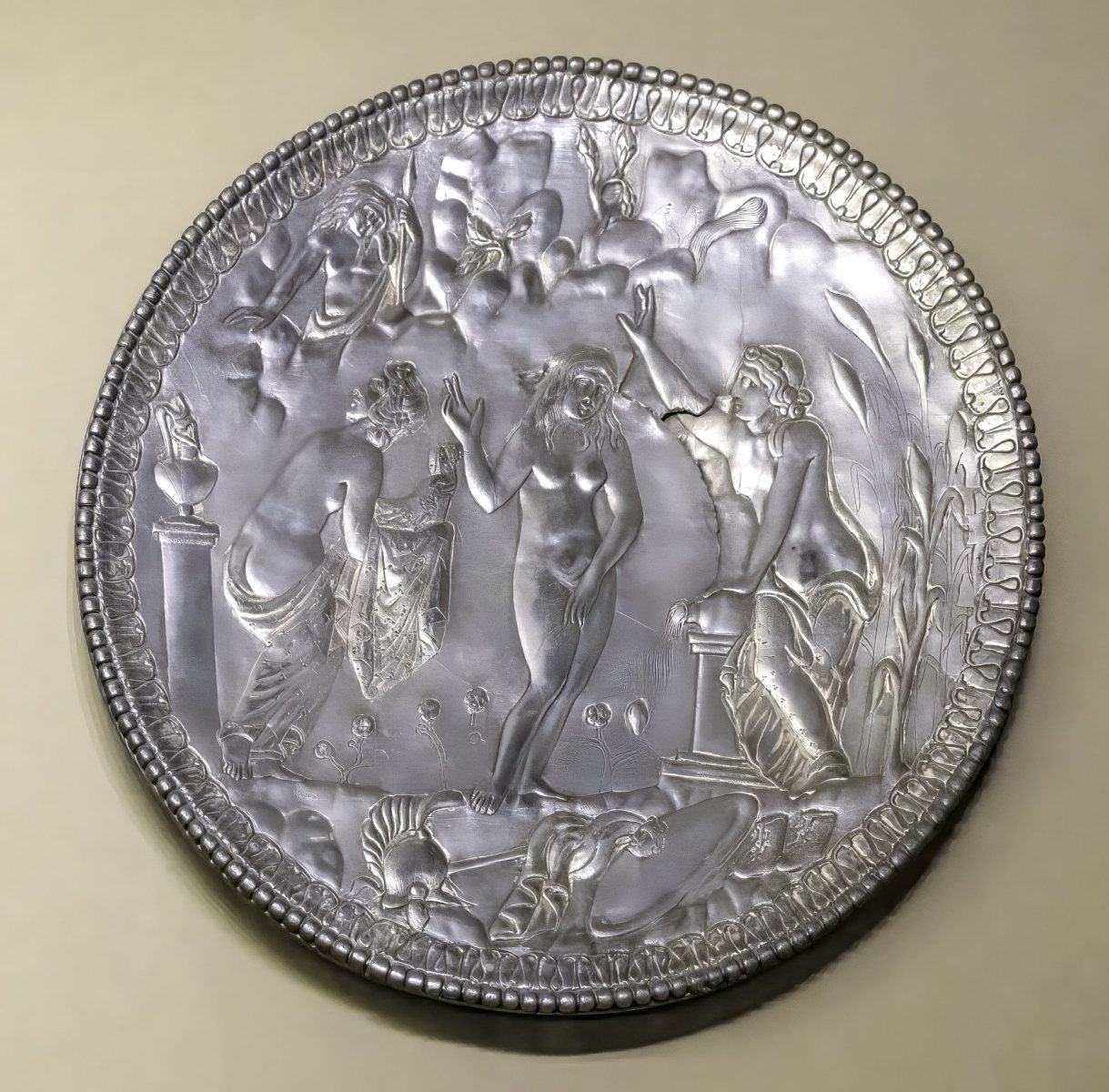
Minerva at her bath, 6th century
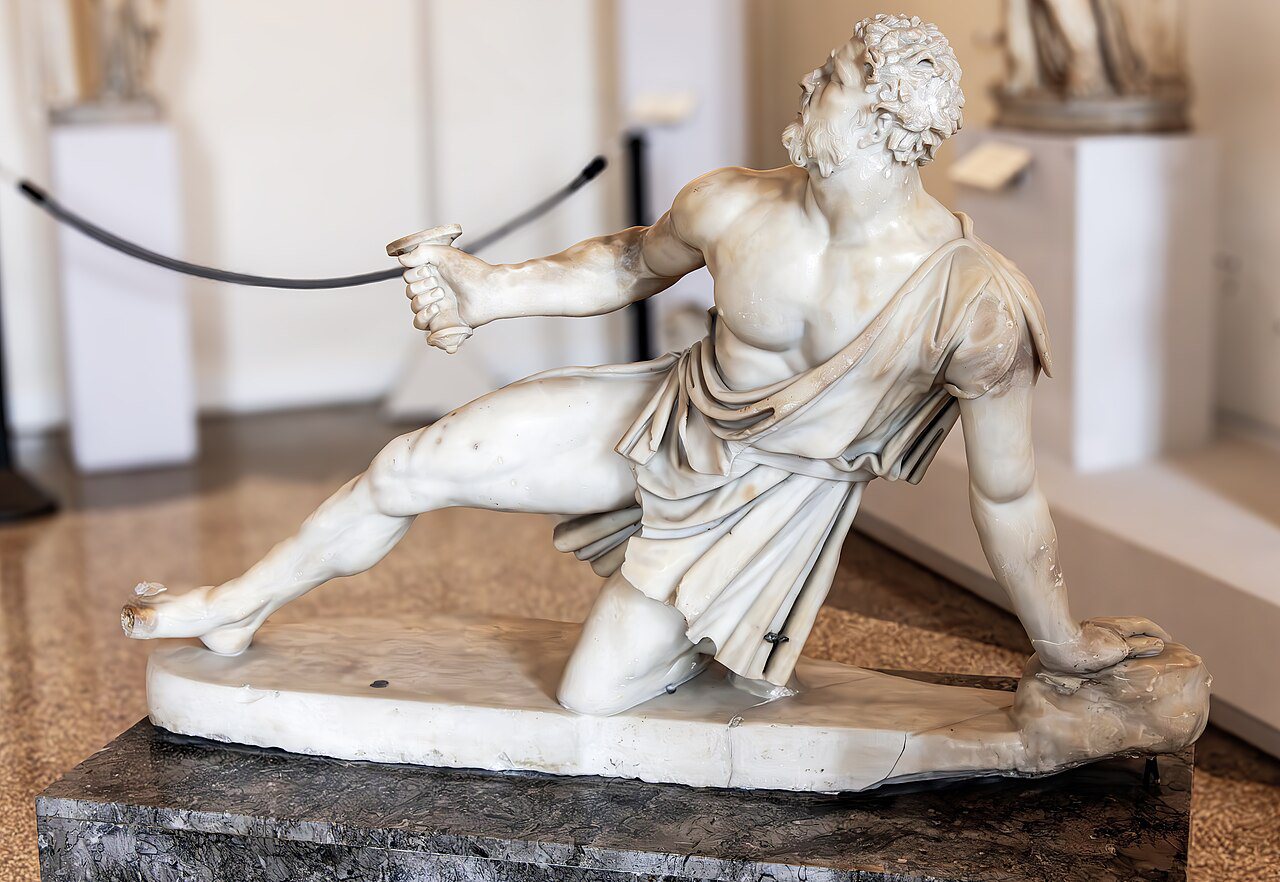
Kneeling Gaul, circa early 2nd century BC
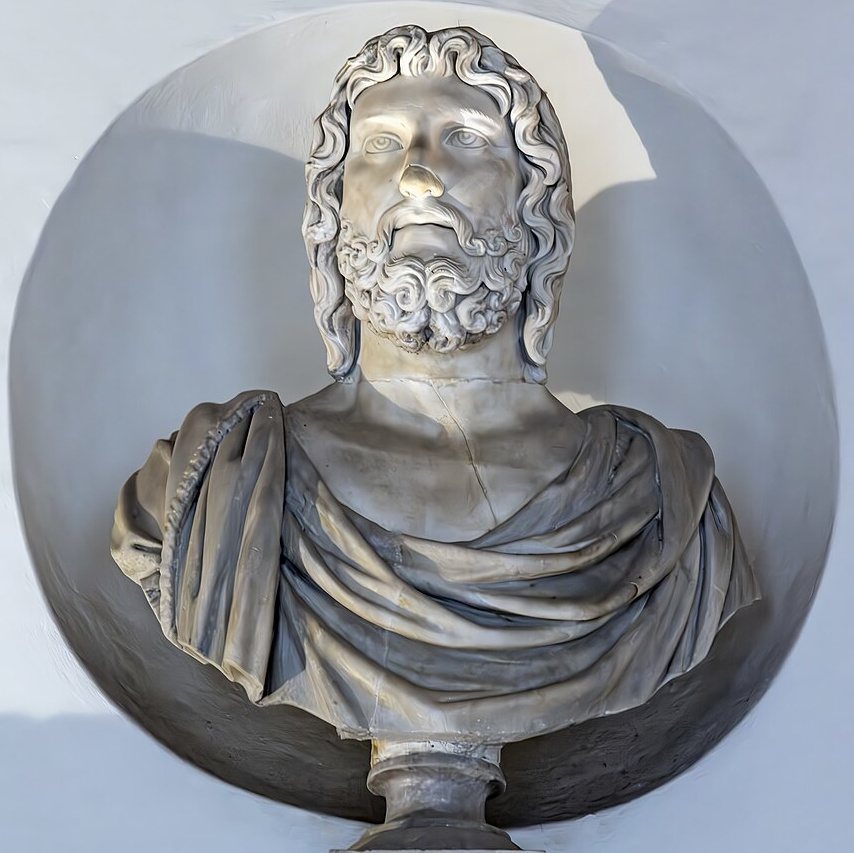
Bust of Zeus, Roman copy of a 4th-century BC Greek original
Sources and further information
Biblioteca Nazionale Marciana - Palace of the Sansoviniana Libreria ; Biblioteca Nazionale Marciana - Bessarion bequest ; Museo Archeologico Nazionale di Venezia - history of the museum ; Museo Archeologico Nazionale di Venezia - tickets and visits.
Map and route
Near the Marciana Library and Archaeological Museum and places in the district
 Monument
St Mark's Campanile
93 m
Monument
St Mark's Campanile
93 m
 Palace
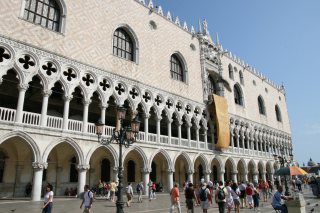
Doge's Palace
104 m
Garden
Giardini Reali
106 m
Palace
Doge's Palace
104 m
Garden
Giardini Reali
106 m
 Square
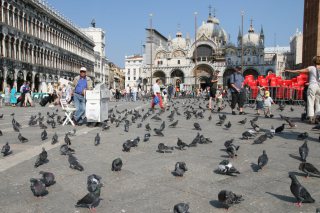
St Mark's Square
117 m
Square
St Mark's Square
117 m
In the San Marco sestiere
Nearby places to stay
Sur le même thème