St Mark's Basilica Church
Venice's ducal basilica, famous for its mosaics, Byzantine plan and ties to the Republic's maritime power.
St Mark's Basilica, mosaics and ducal power
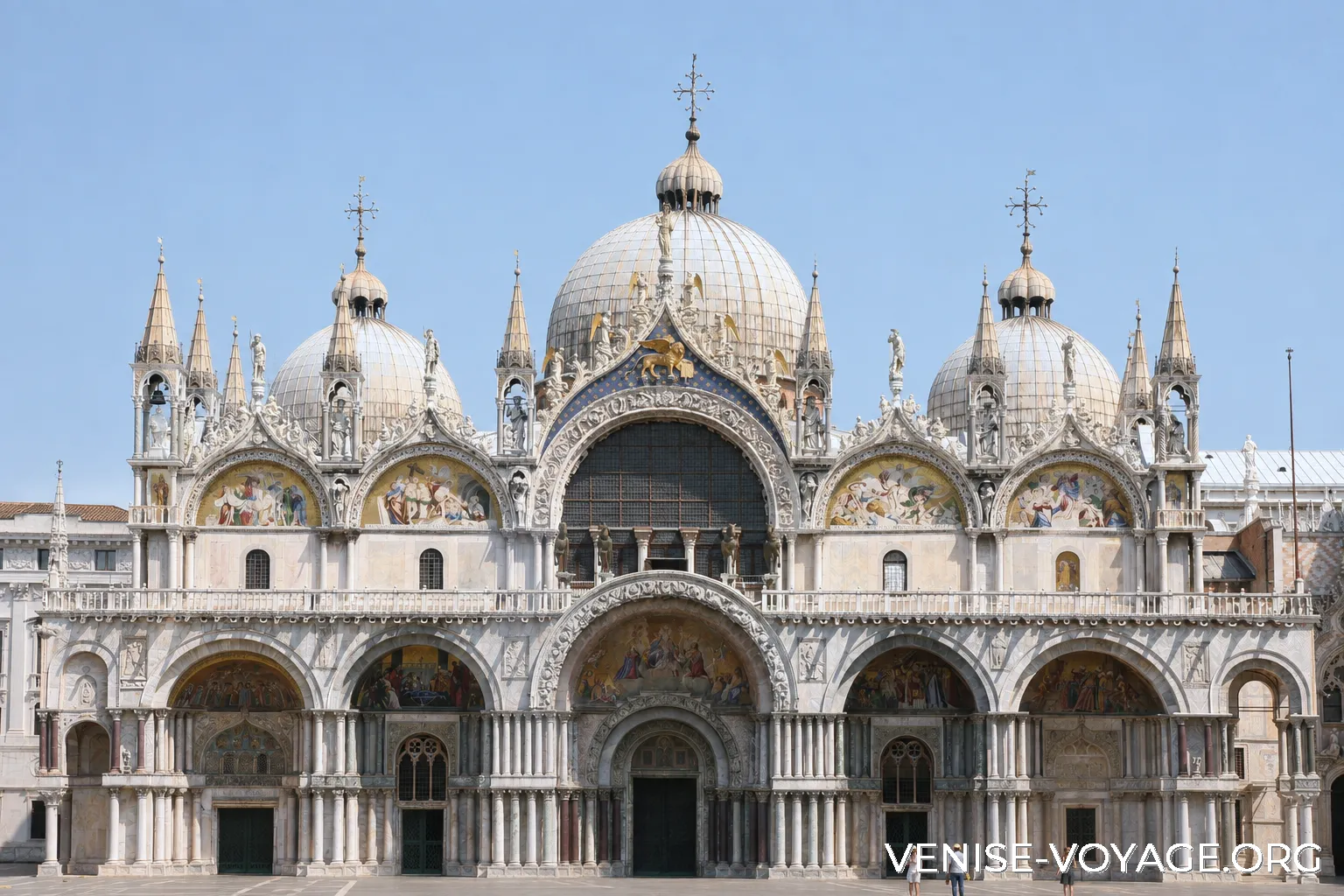
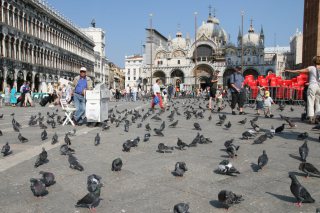
The St Mark's Basilica is Venice's former ducal sanctuary, directly attached to the Doge's Palace. Its position and architecture make its role clear: it was at once the chapel of power, the reliquary of St Mark, and a statement of the Republic's Mediterranean and eastern vocation. For nearly a thousand years it answered more to the doge than to the Bishop of Venice.
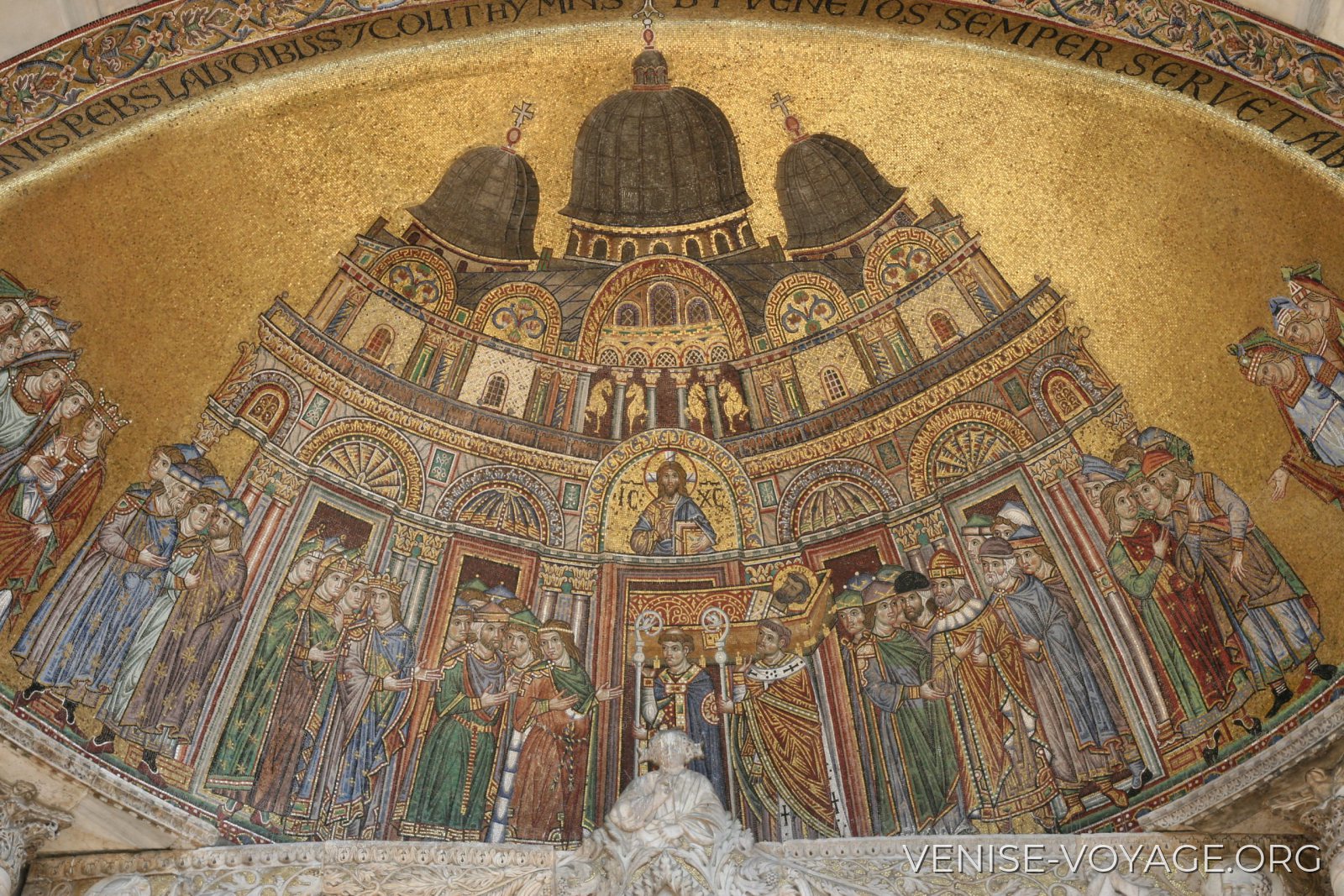
A first church was built in the 9th century to house the relics of the evangelist, brought back from Alexandria in 828 by two Venetian merchants. After a fire and several rebuildings, the present building was begun in 1063 under Doge Domenico Contarini, then consecrated in 1094. It only officially became Venice's cathedral in 1807, succeeding San Pietro di Castello.
Its Greek-cross plan, crowned by five domes, draws on the great churches of Constantinople. Venice did not simply copy a Byzantine model, however: over the centuries it enriched it with marble, sculpture, mosaics and Gothic elements, until it became a building with no true equivalent in the West.
The façade brings together antique columns, reliefs, capitals and spoils gathered over the centuries. Much of this material came from Constantinople and other territories of the eastern Mediterranean, especially after 1204. This accumulation was not simply a taste for ornament: it asserted the power of a merchant city capable of transporting, reinterpreting and absorbing the treasures of the worlds it dominated or traded with.
Visiting the basilica
The interior first strikes visitors with the golden light of its mosaics, made and reworked between the 11th and 19th centuries. The domes and vaults unfold a vast biblical narrative: the Creation of the world, the life of Christ, the prophets, the apostles and the saints, but also the story of St Mark and the transfer of his relics to Venice. The gold backgrounds are not there merely to impress: they reflect the light and give the images a shifting presence depending on the hour and the lighting.
On the floor, the marble paving forms another spectacular decoration, made up of geometric motifs, animals and interlacing patterns. Its visible unevenness is also a reminder that the basilica, like the rest of Venice, rests on unstable ground. Some areas seem to ripple underfoot: this is not a decorative effect, but the slow physical history of the building.
Behind the high altar, which holds the relics of St Mark, the Pala d'Oro is one of the summits of medieval goldsmithing. Made in several stages between the 11th and 14th centuries, it brings together around 250 Byzantine cloisonné enamels on gilded silver and nearly 2,000 precious stones and gems. It was once only unveiled for the great celebrations attended by the doge and his most important guests.
The museum, housed in the upper galleries, allows visitors to see some of the mosaics, tapestries, liturgical objects and the original horses up close. It also gives access to the outdoor loggia, which offers a privileged view over St Mark's Square and helps visitors understand the architectural dialogue between the basilica, the Procuratie and the Doge's Palace.
Visiting tips
To visit the complex properly, it helps to distinguish between the basilica, the Pala d'Oro, the museum with the Horses' loggia, and the neighbouring campanile. These spaces have different access arrangements and are not all included in the basic ticket. The basilica conveys the monument's religious and political dimension; the Pala d'Oro reveals its liturgical splendour; the museum brings visitors closer to the mosaics; and the terrace opens up the view over the square.
The campanile is a separate monument. Standing 98.6 metres tall, it collapsed suddenly in 1902 without causing any casualties, and was then rebuilt identically and reopened in 1912. Its top, reached by lift, offers a sweeping panorama over the rooftops of Venice, the St Mark's Basin, the lagoon and, when the sky is clear enough, the peaks of the Dolomites.
Gallery
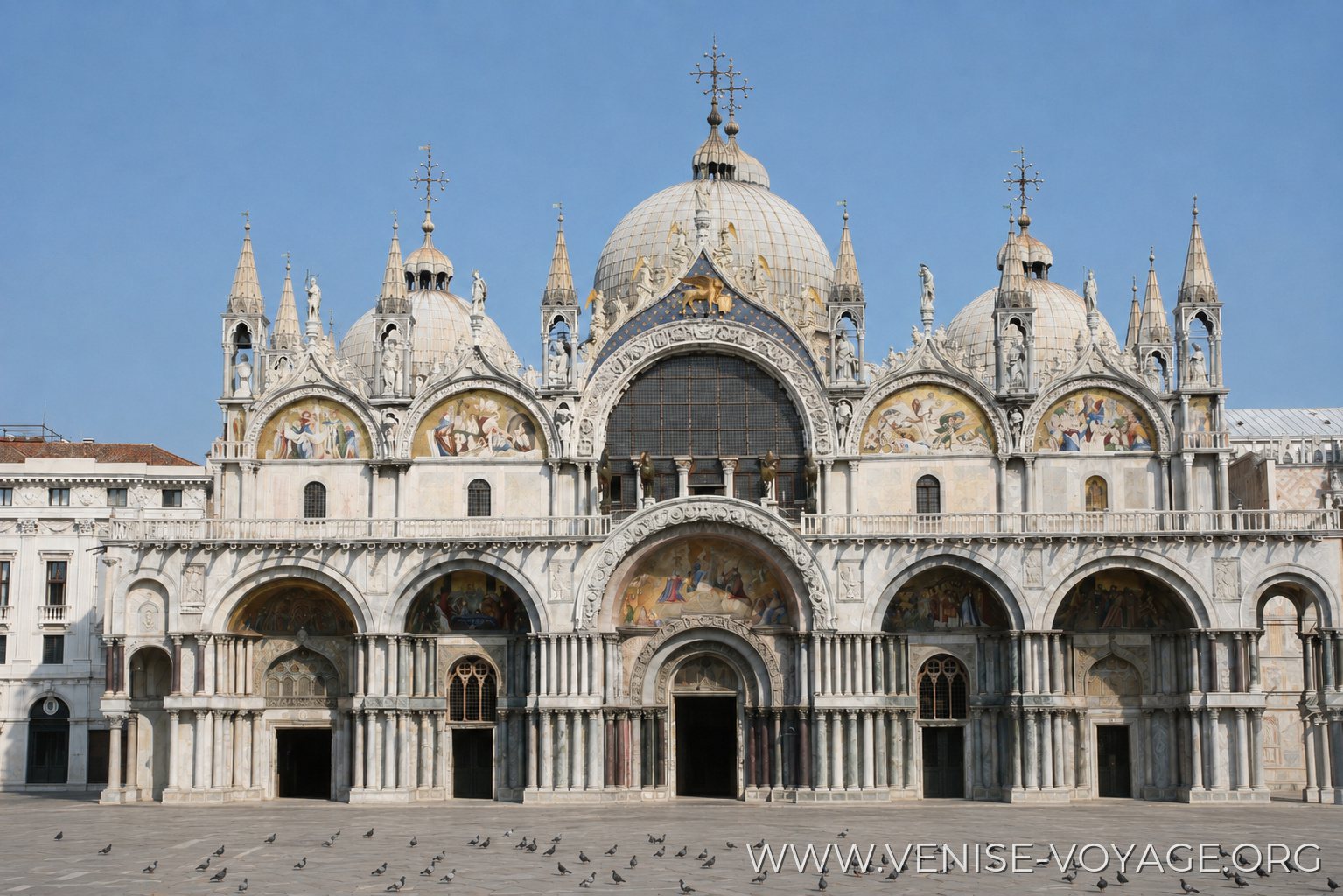
St Mark's Basilica in Venice
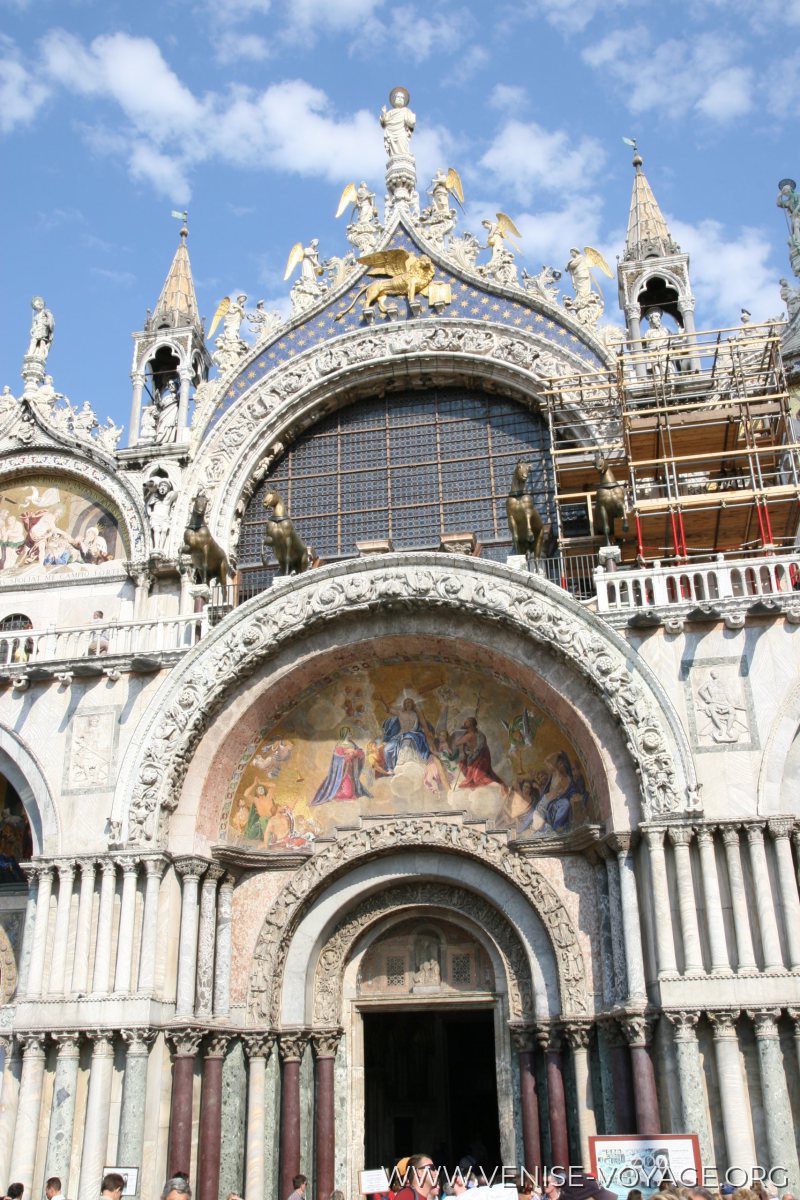
St Mark's Basilica
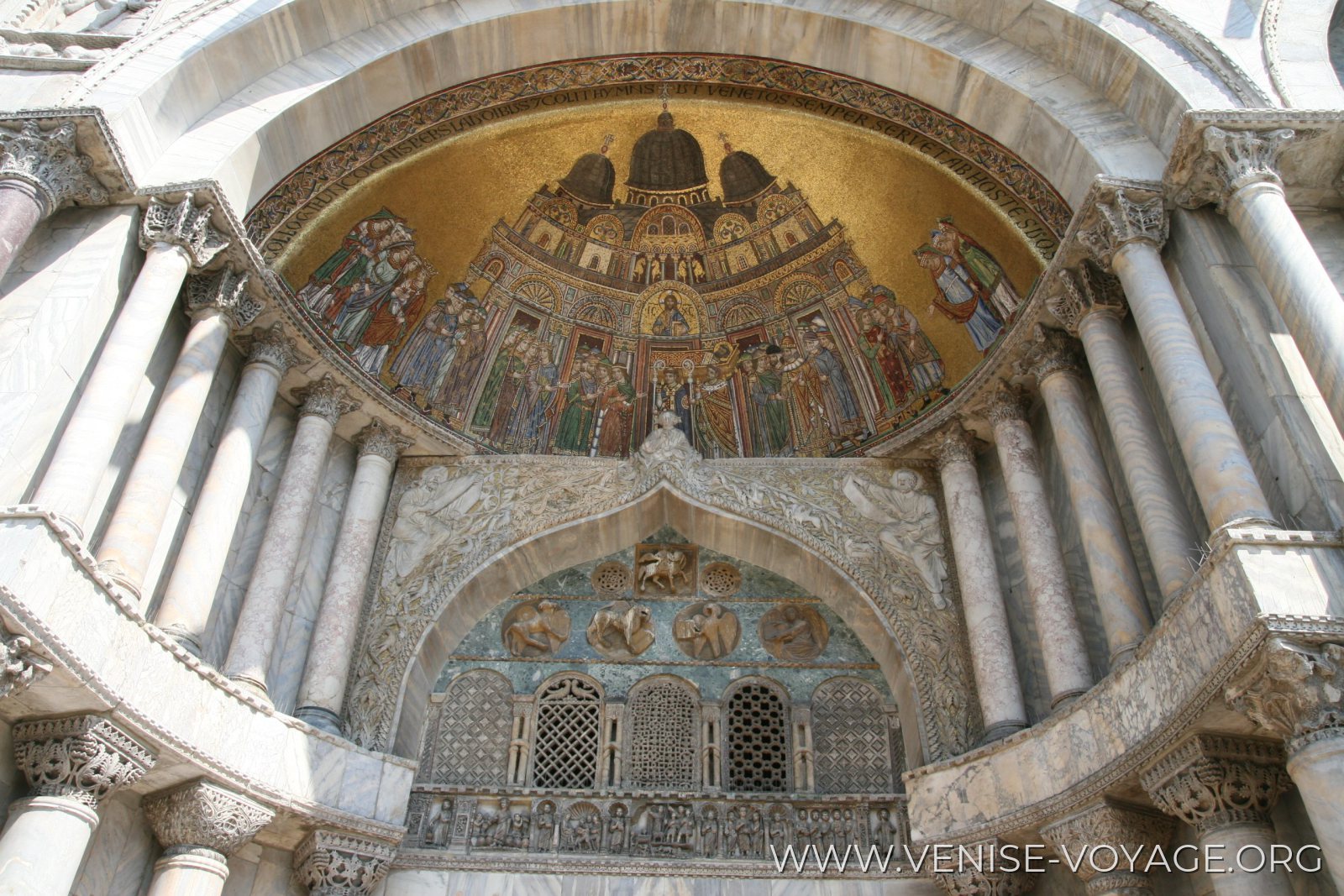
St Mark's Basilica
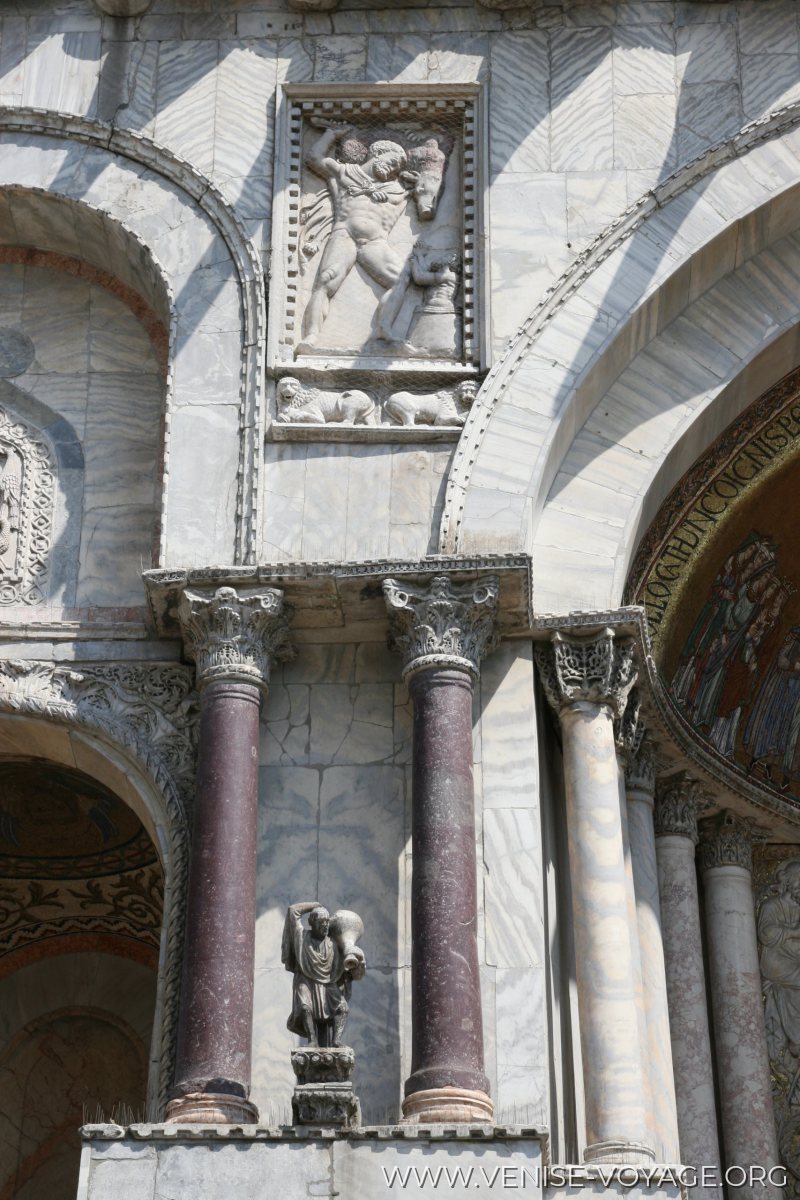
St Mark's Basilica
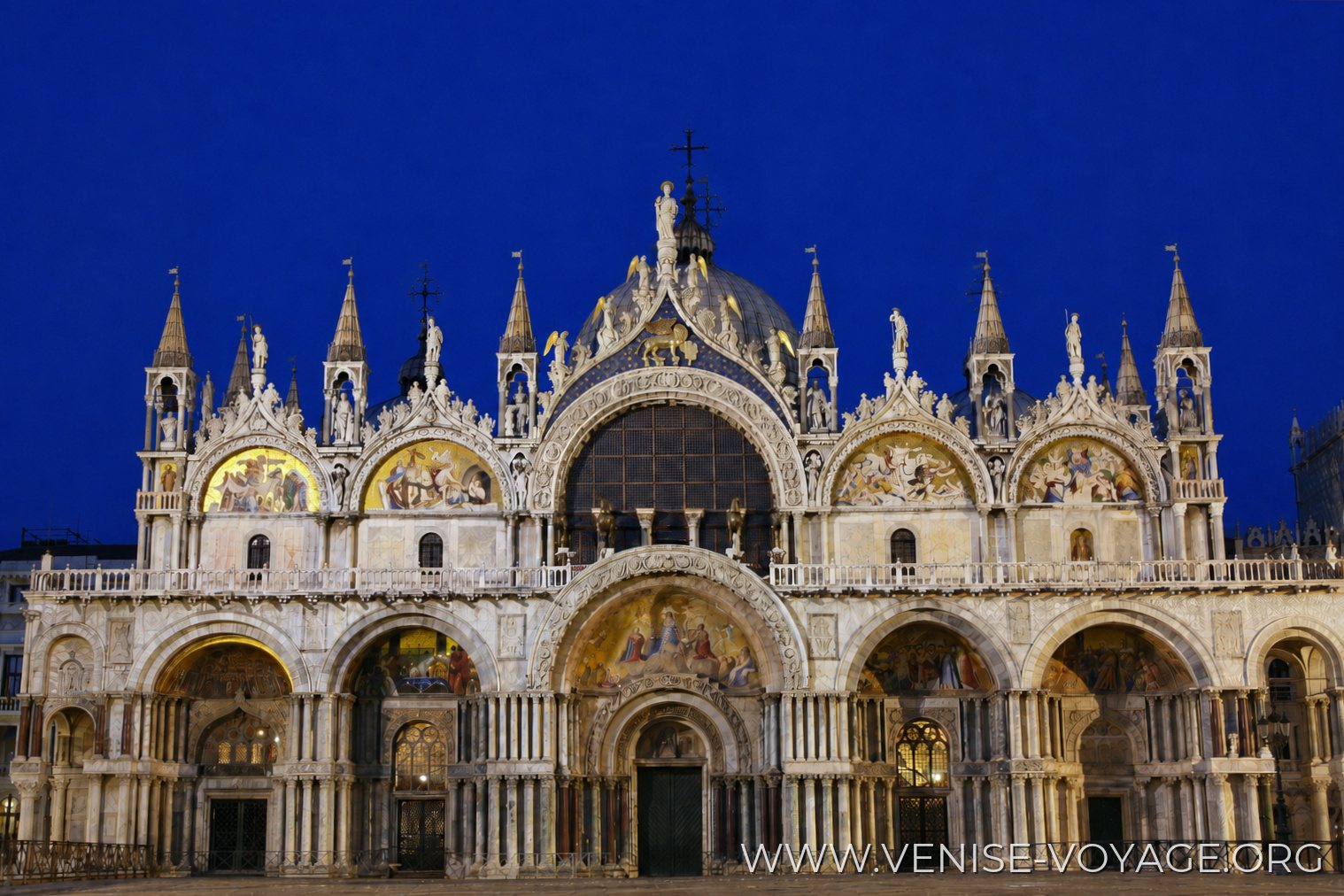
St Mark's Basilica
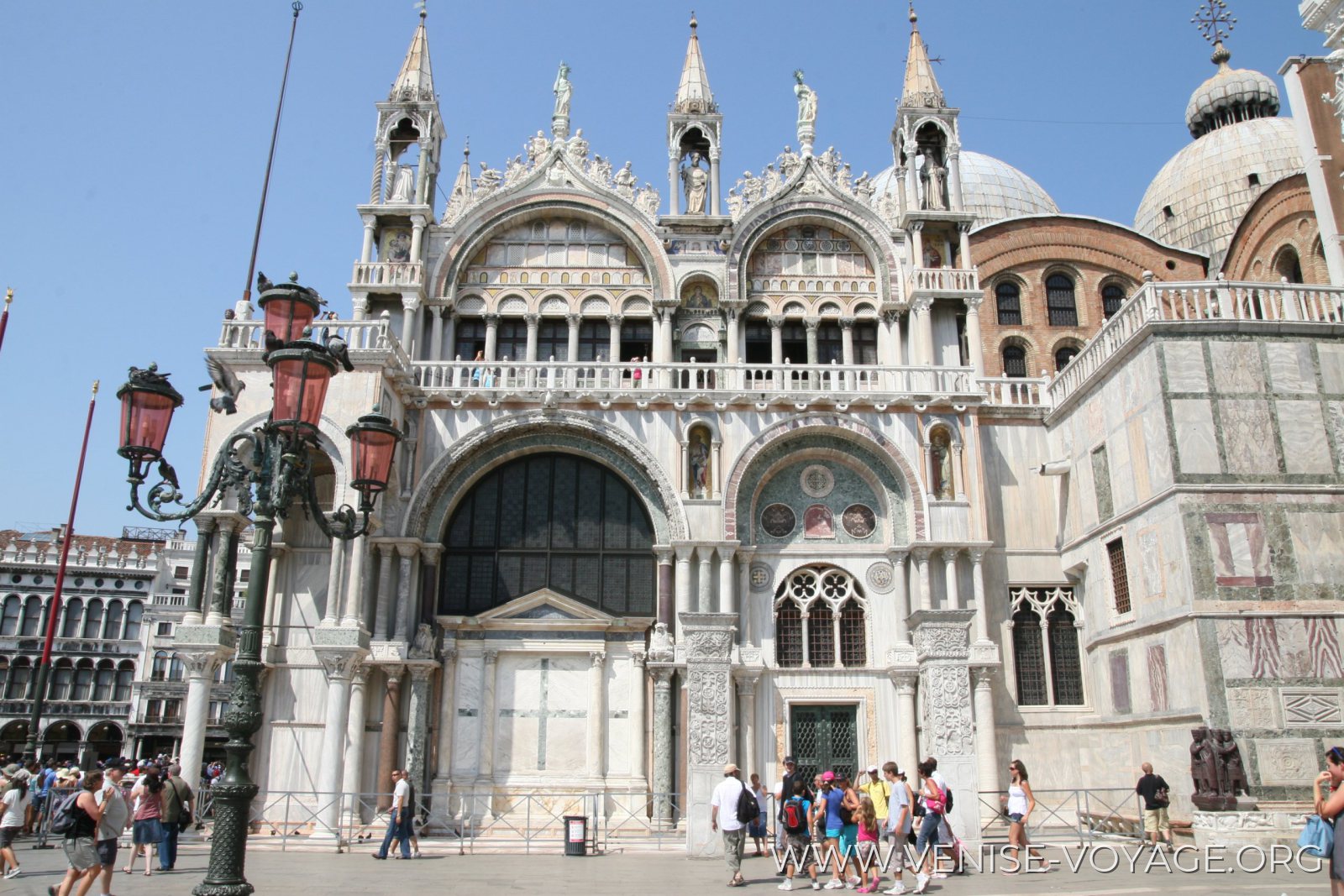
St Mark's Basilica
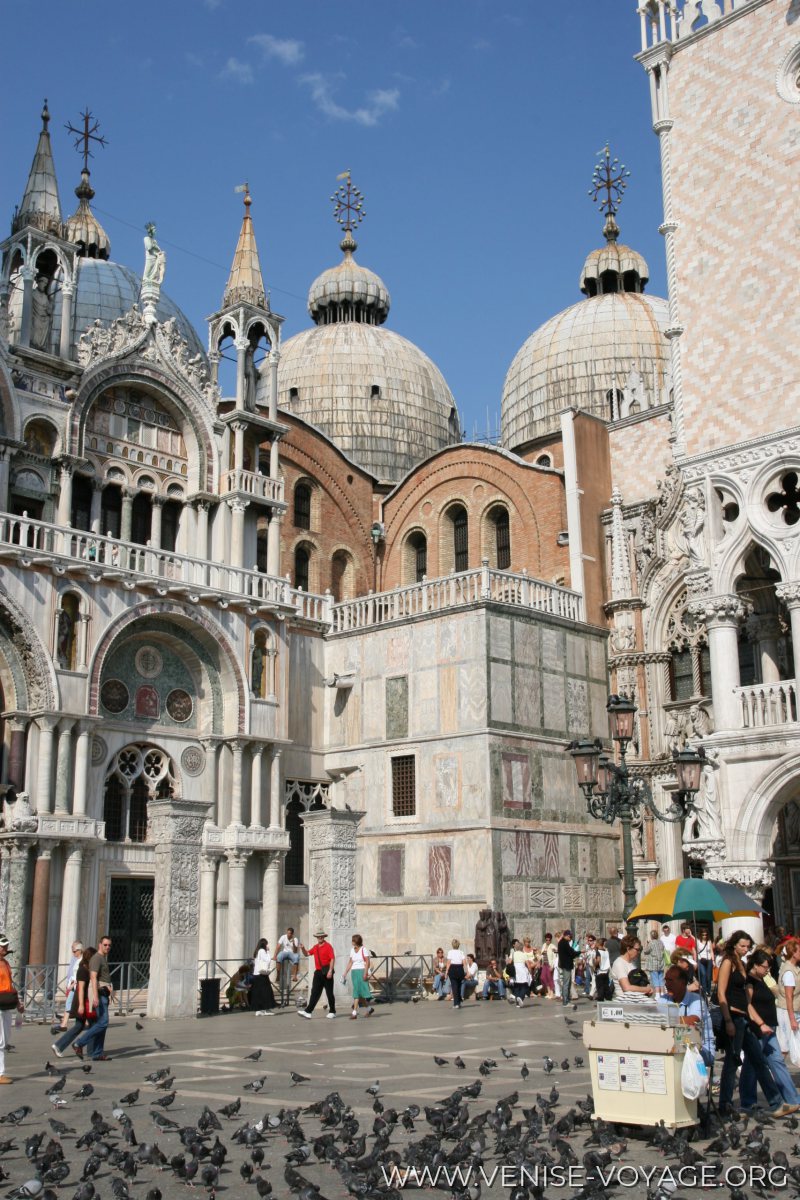
St Mark's Square with the basilica
Sources and further information
Basilica di San Marco - official site; Basilica di San Marco - historical chronology; Basilica di San Marco - Pala d'Oro; Basilica di San Marco - bell tower.
Map and route
Near St Mark's Basilica and places in the district
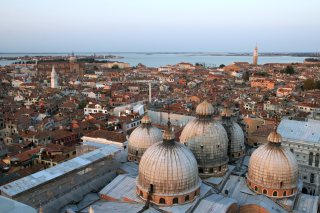 Monument
St Mark's Campanile
53 m
Monument
St Mark's Campanile
53 m
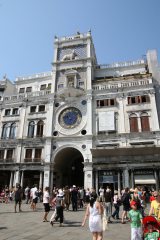 Monument
St Mark's Clock Tower
72 m
Monument
St Mark's Clock Tower
72 m
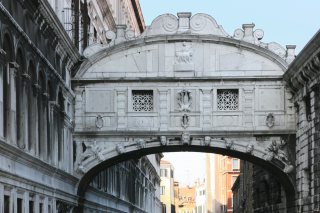 Bridge
 of Sighs
99 m
Bridge
Bridge of Sighs
99 m
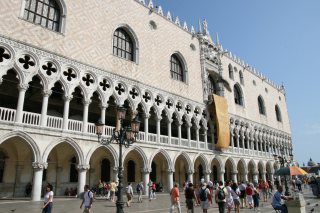 Palace
Doge's Palace
102 m
Palace
Doge's Palace
102 m
In the San Marco sestiere
Nearby places to stay
Sur le même thème