St Mark's Square Square
Venice's monumental and civic centre, lined by the basilica, the Doge's Palace, the Procuratie and the campanile.
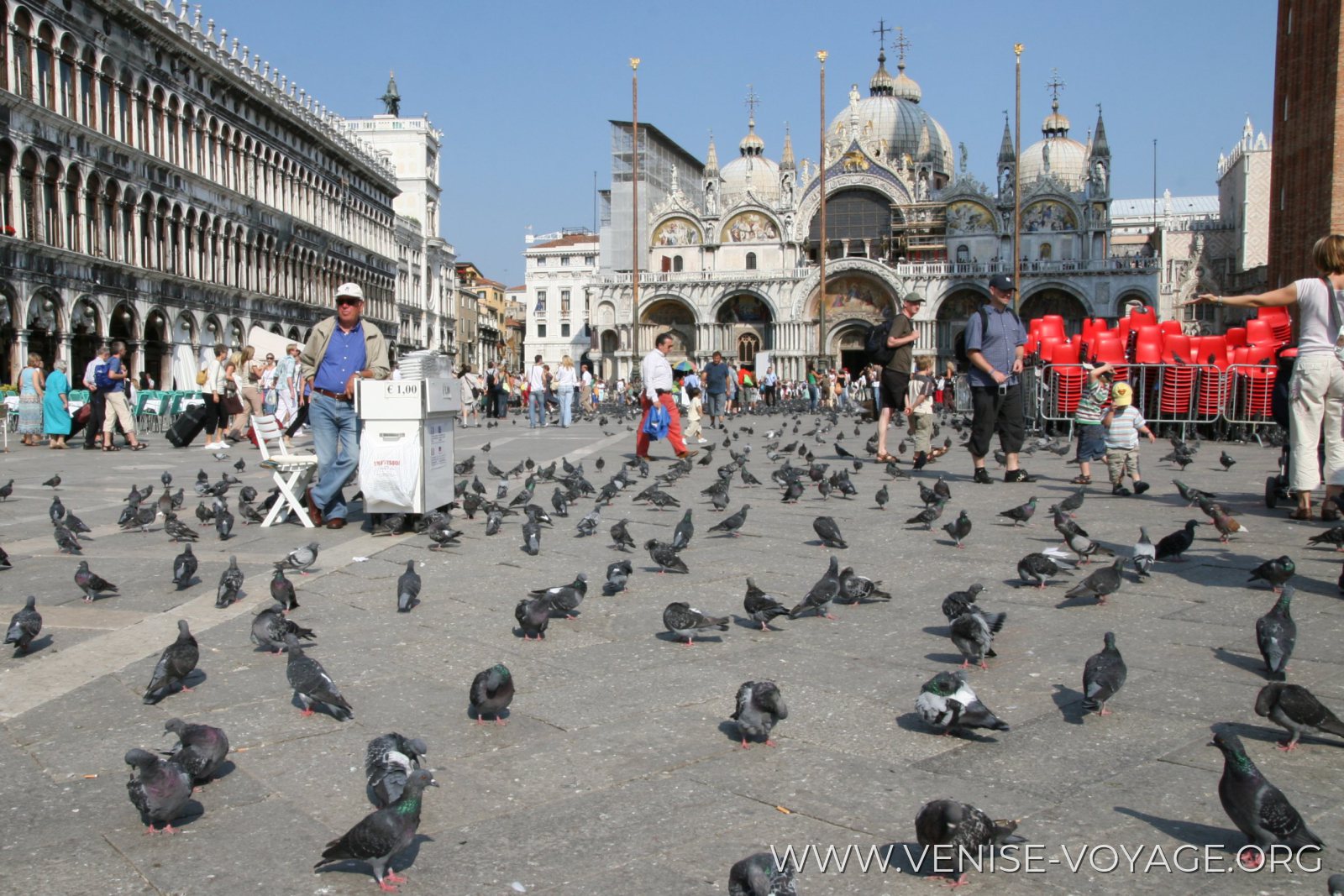
St Mark's Square, the civic heart of Venice
St Mark's Square forms Venice's great monumental and ceremonial space. In a composition built up over the centuries, it brings together St Mark's Basilica, the campanile, the Procuratie, the Clock Tower and, in its extension, the Piazzetta, which leads to the Doge's Palace and the St Mark's Basin. This concentration was no accident: it brought together, in a single place, religion, government, justice and the representation of the Republic.
Reading the square
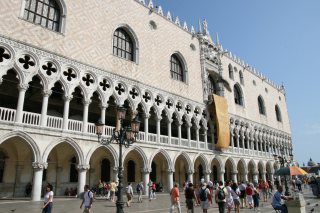
On site, it's worth taking the time to read the proportions: the long horizontality of the Procuratie contrasts with the verticality of the campanile, while the colourful façade of the basilica closes off one side without following the classical regularity of the other buildings. Towards the Piazzetta, by contrast, the space opens onto the lagoon between the Doge's Palace and the Libreria Marciana.
The arcades also shelter historic cafés, including Caffè Florian, opened in 1720. The visit changes considerably depending on the time of day: early in the morning, the lines of the square are easier to grasp; in the evening, the façades and arcades take on a different depth under the lighting. During the highest tides, the Piazza also remains one of the first areas of the historic centre to be affected by acqua alta.
A square shaped by the Republic
Today's space is very different from that of Venice's early centuries. In the 9th century, the surroundings of the first basilica were much more cramped. A decisive transformation came in the 12th century, under Doge Sebastiano Ziani: the Rio Batario, which ran through what is now the square, was filled in and the space considerably enlarged. The Piazza then took on a scale better suited to the ceremonies of a maritime power in the process of asserting itself.
Its architectural setting kept evolving after that. The Procuratie Vecchie, on the north side, replaced earlier buildings and were entirely rebuilt between 1500 and 1538. They were linked to the procurators of St Mark, one of the highest magistracies of the Republic. Opposite them, the Procuratie Nuove were erected from the late 16th century and completed in the 17th. To the west, the Napoleonic Wing only closed off the view in the early 19th century, after the demolition of the church of San Geminiano.
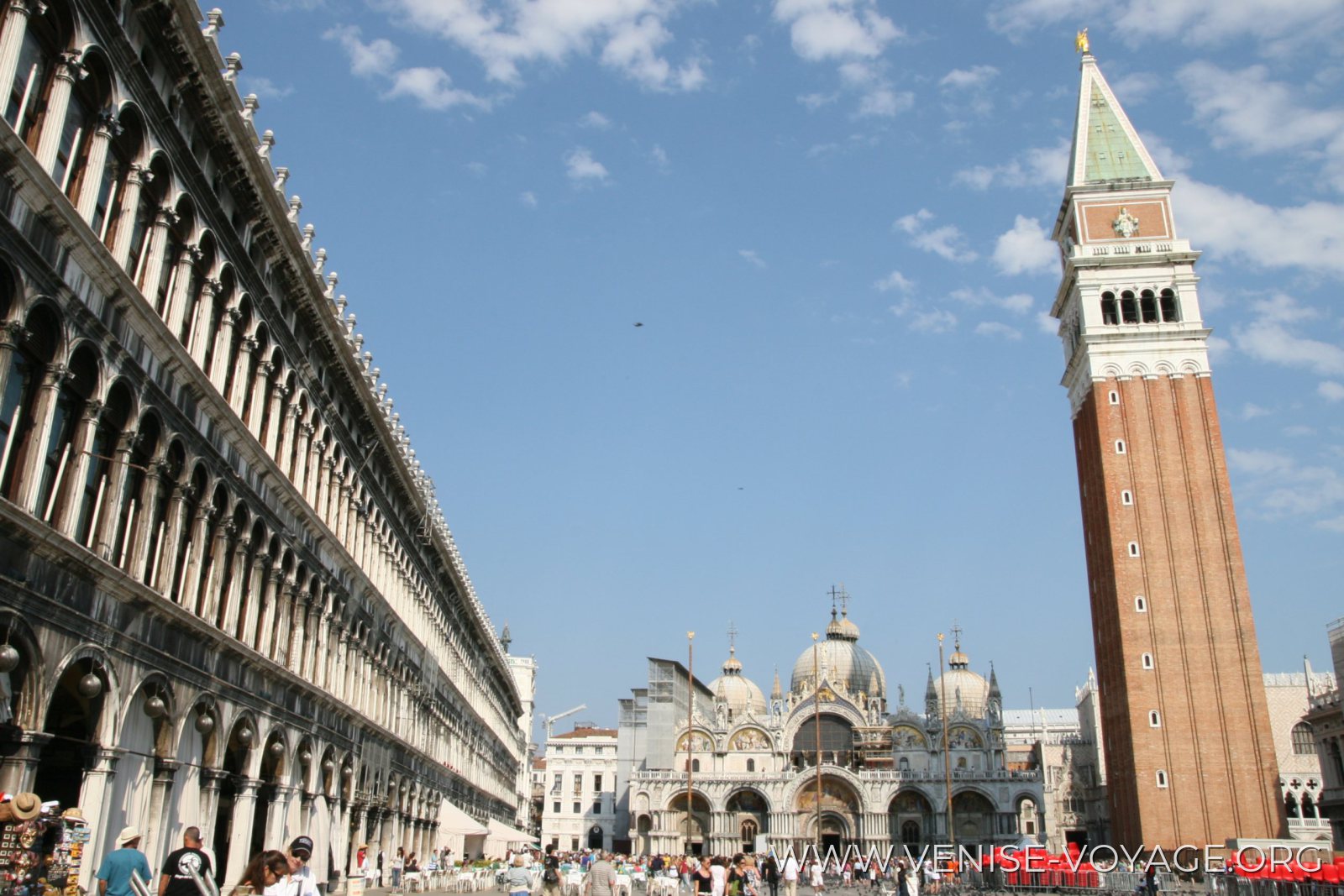
St Mark's Square and the campanile
The square was above all a theatre of public life. Religious processions, receptions for ambassadors, official announcements, festivals, markets and great state ceremonies all staged Venice's political order here. The basilica was for centuries the doge's private chapel: in San Marco, religious and civil power were thus tightly interwoven.
The claim that Napoleon called St Mark's Square the "finest drawing room in Europe" has become famous, but no reliable source firmly attributes the phrase to him. It nonetheless captures rather well the effect the ensemble produces: a vast open-air hall, lined with arcades and façades designed to be looked at together rather than separately.
Gallery
St Mark's Square and the campanile
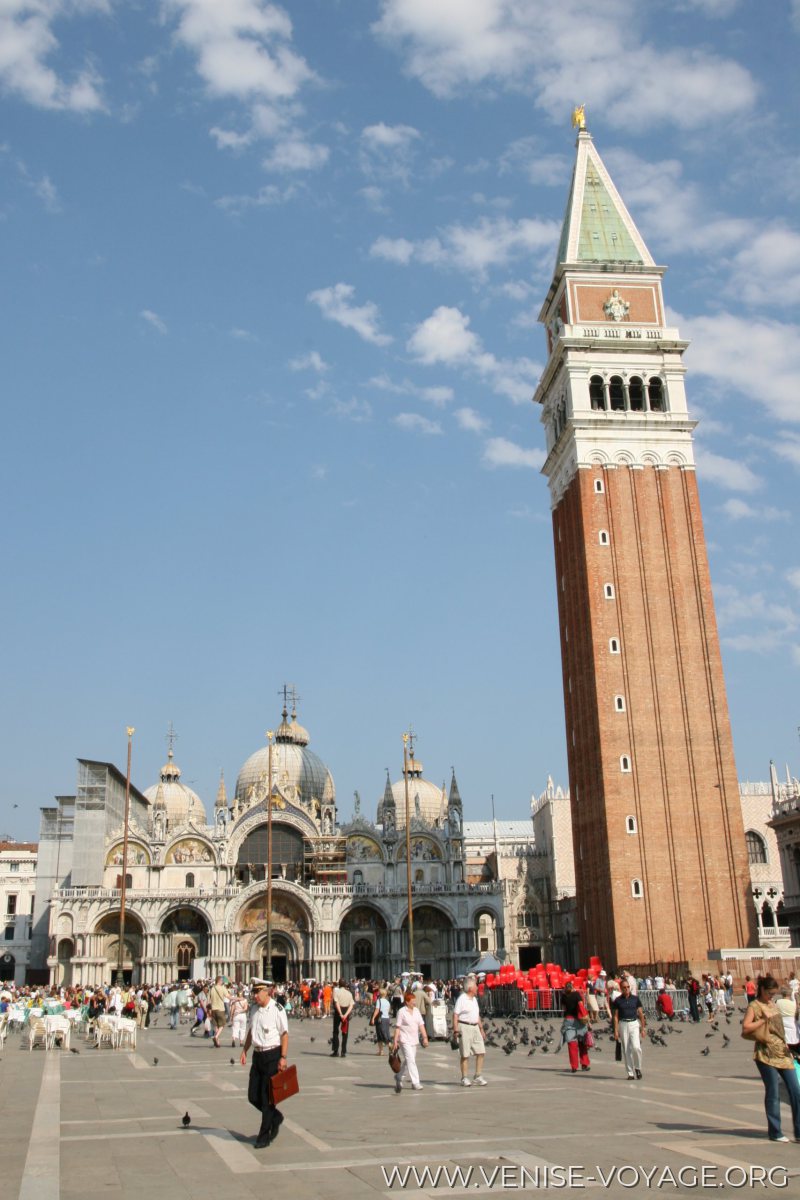
St Mark's Square and the campanile
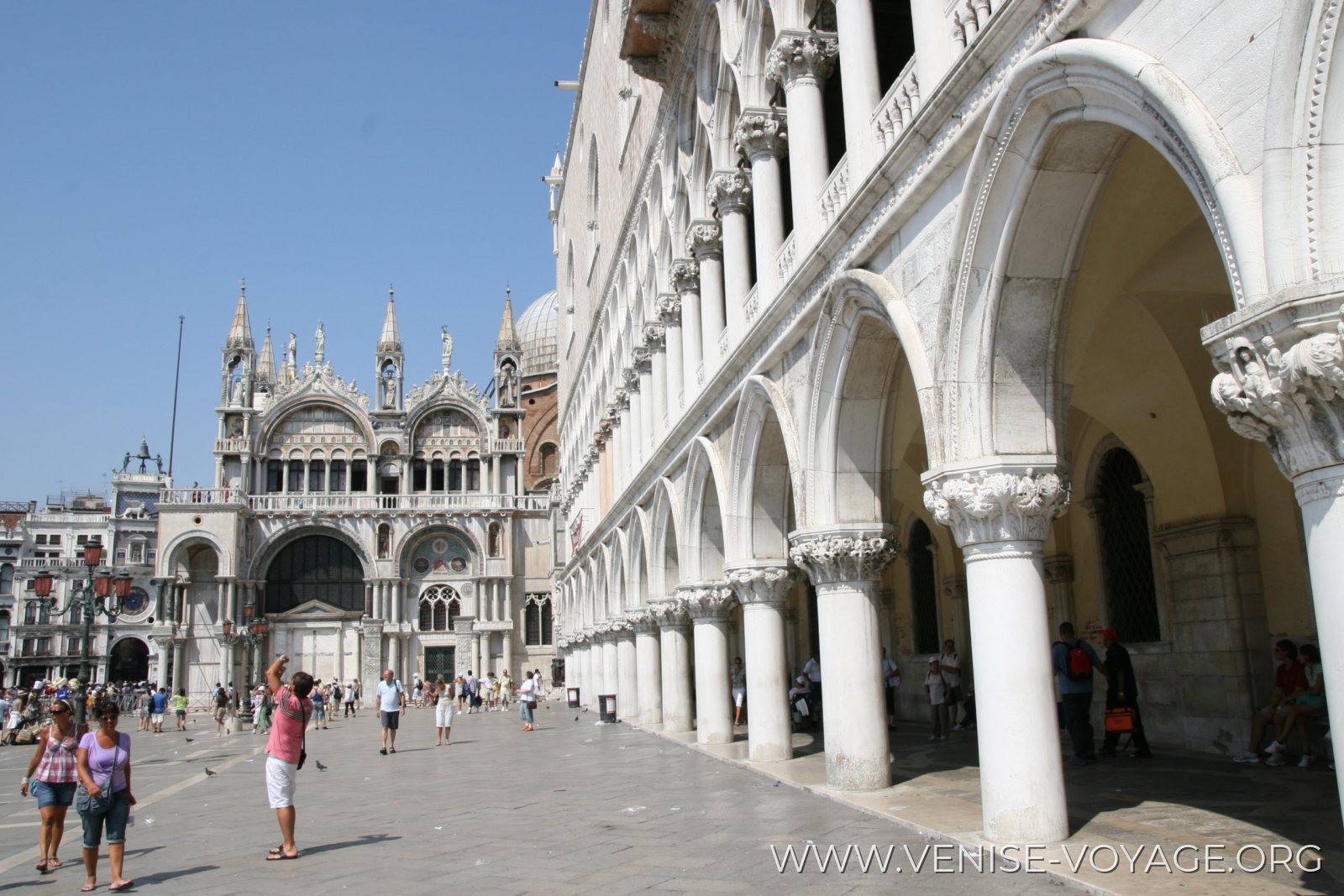
The basilica and Doge's Palace
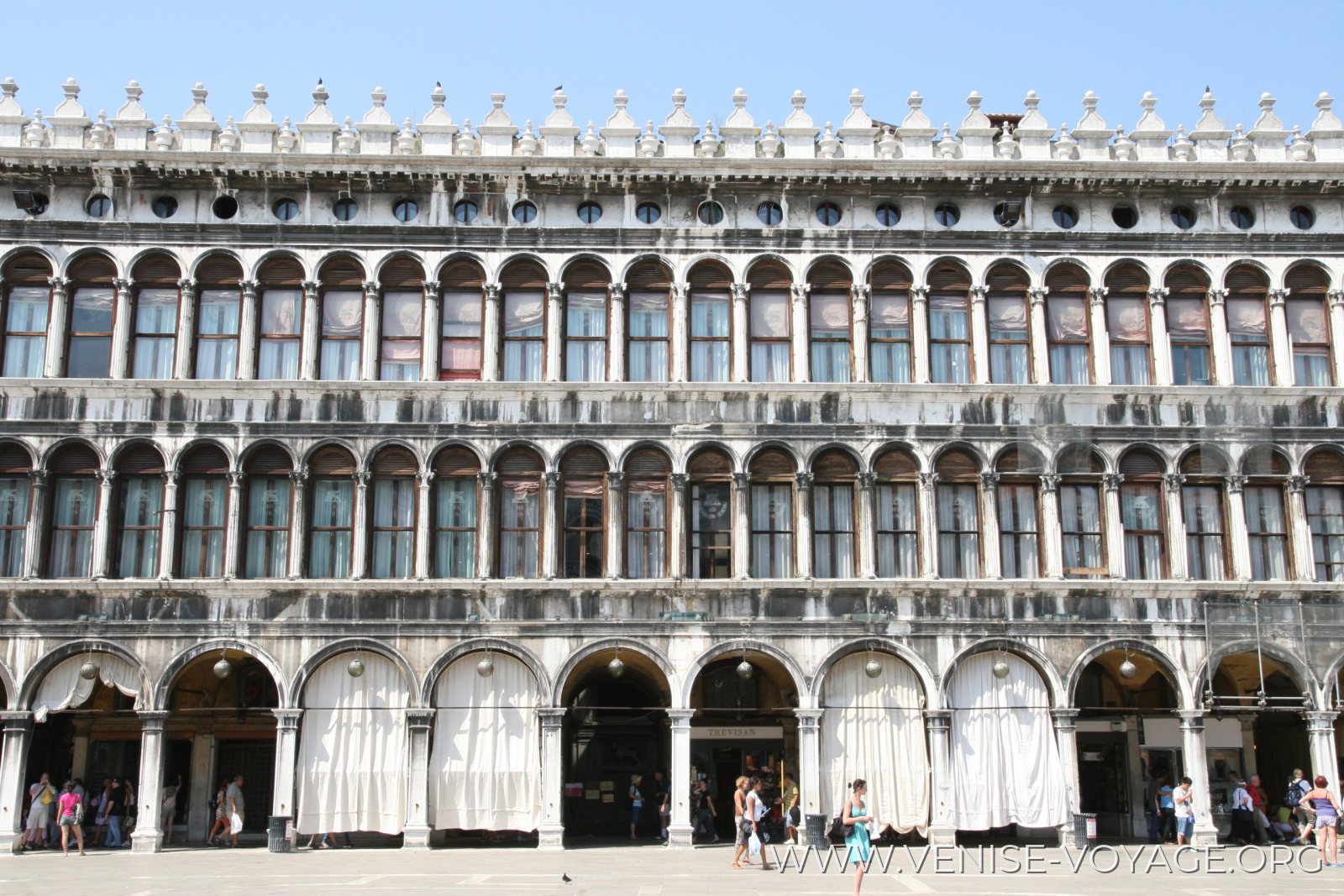
The Procuratie
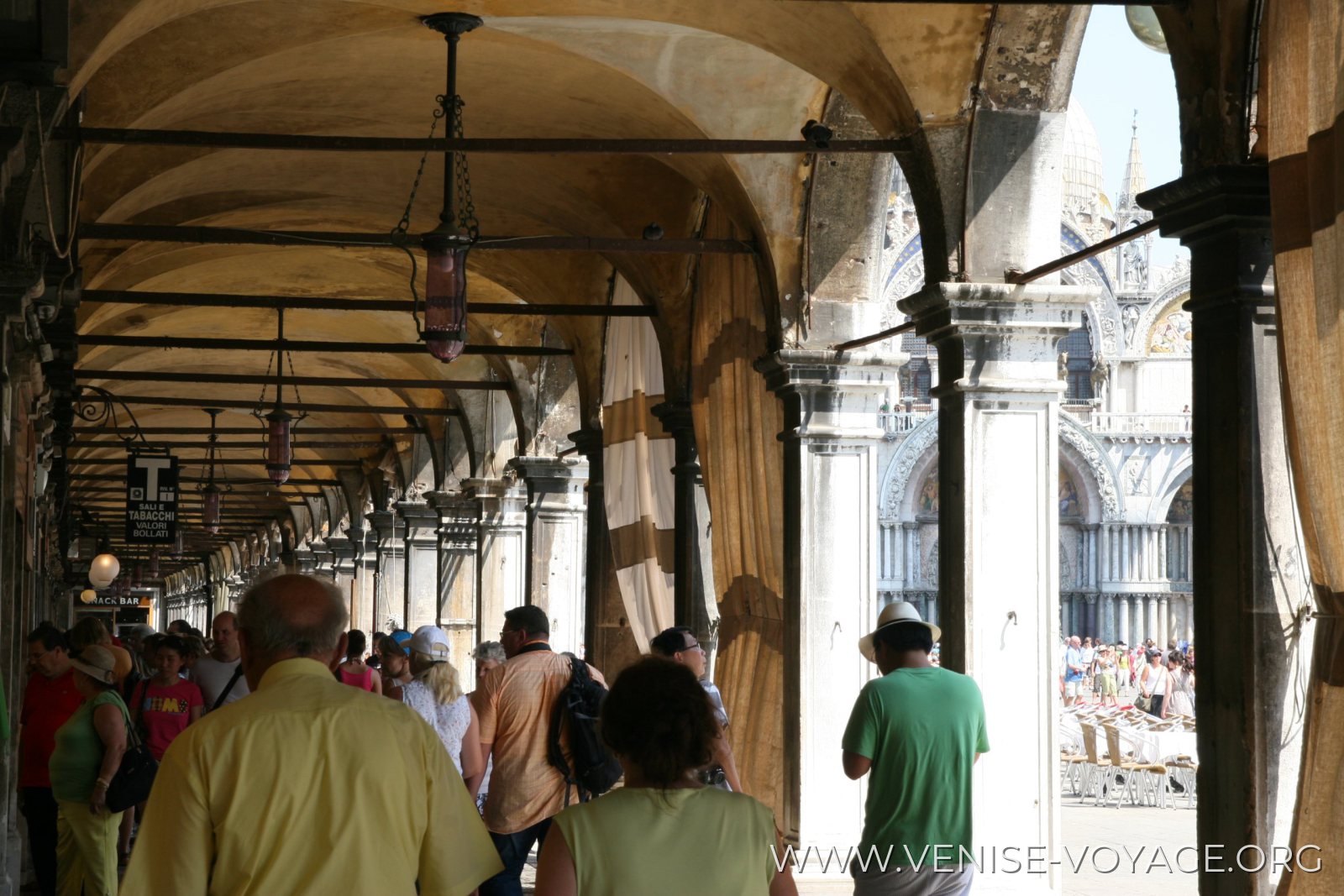
The Procuratie
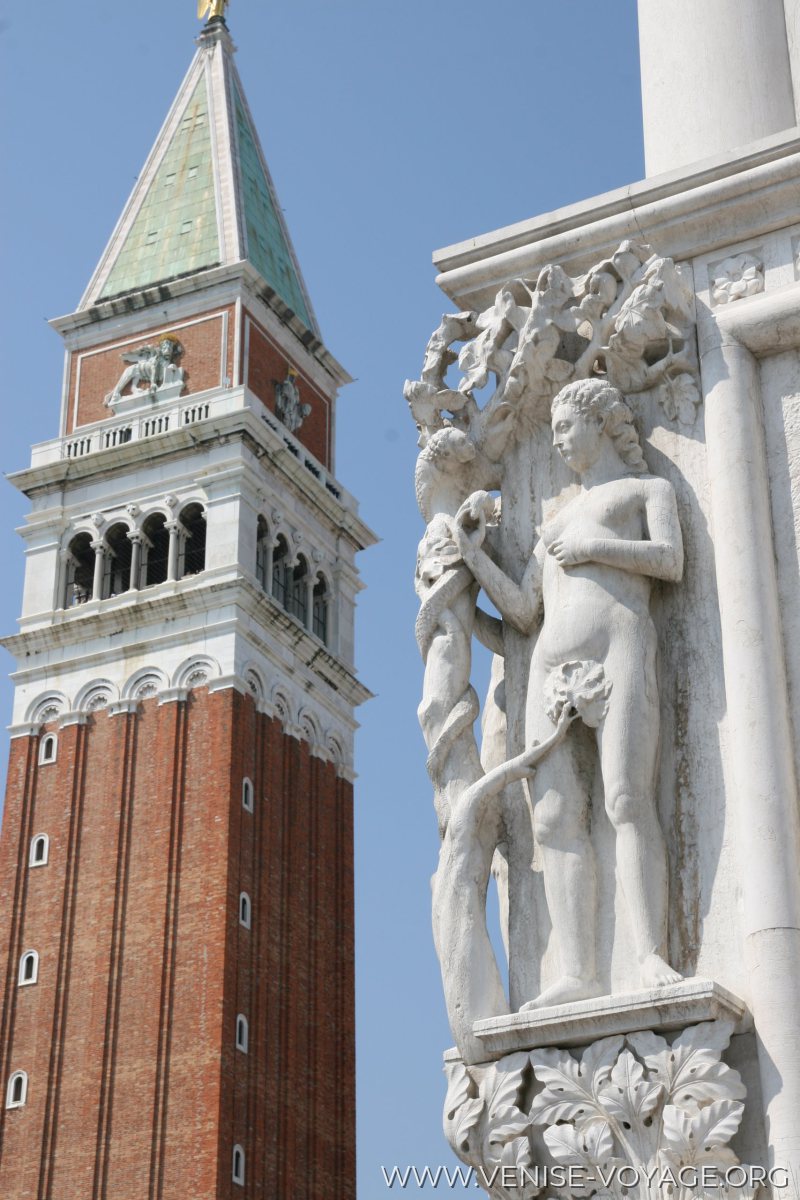
St Mark's Square
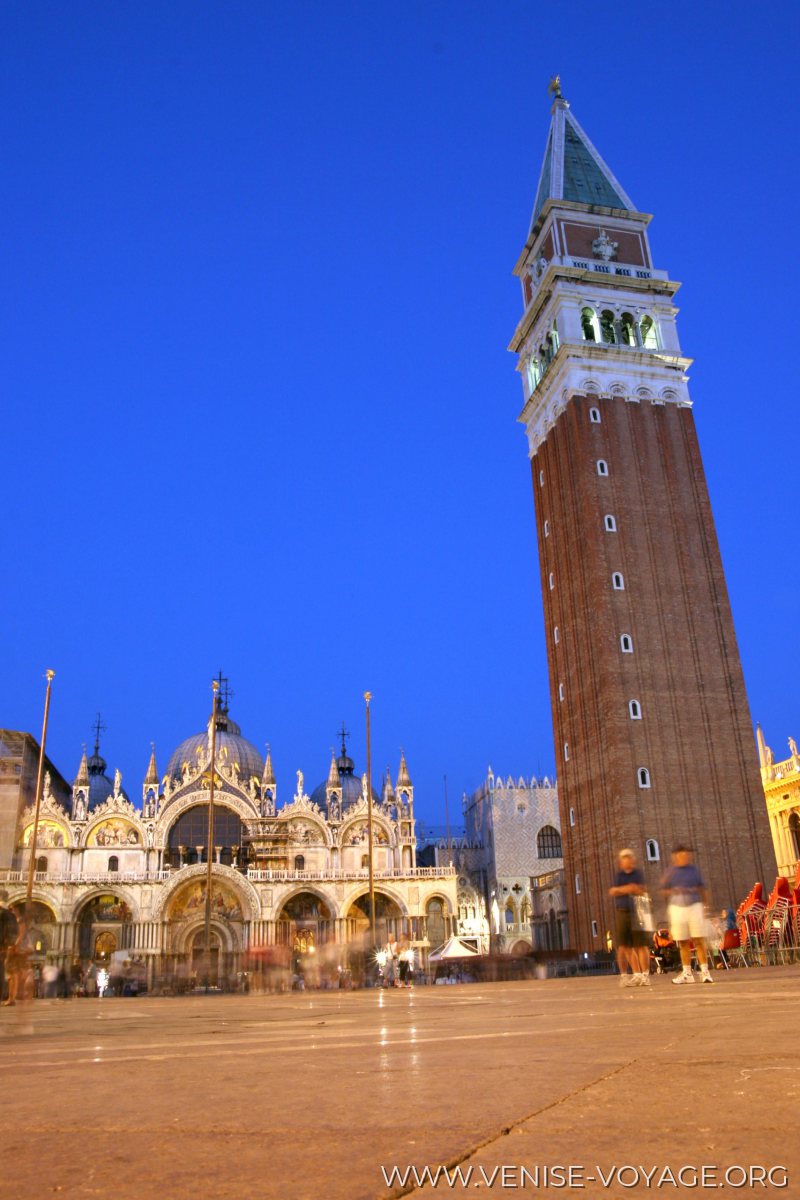
St Mark's Square and the campanile
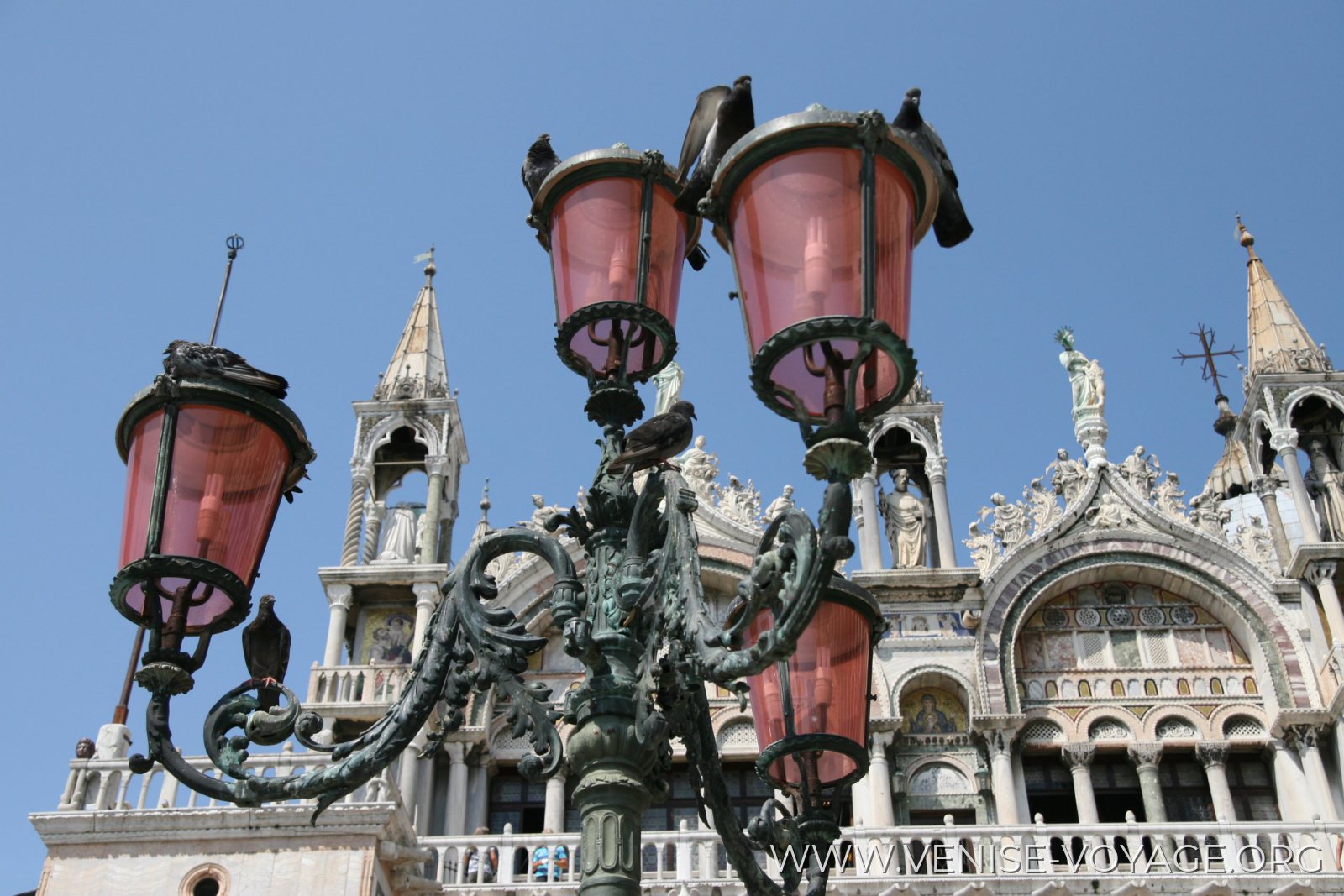
St Mark's Square
St Mark's Square
Sources and further information
Venezia Unica - Piazza San Marco; Venezia Unica - Procuratie Vecchie; Museo Correr - building and history; St Mark's Basilica - the doges and the basilica.
Map and route
Near the St Mark's Square and places in the district
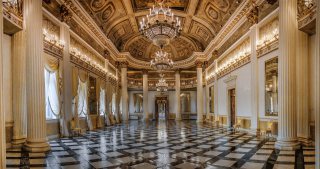 Museum
Correr Museum
68 m
Museum
Correr Museum
68 m
 Monument
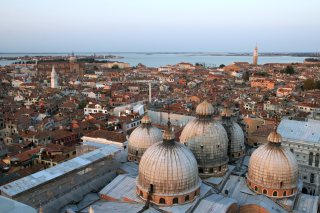
St Mark's Campanile
93 m
Monument
St Mark's Campanile
93 m
 Monument
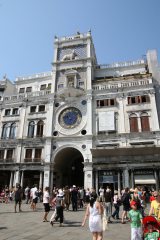
St Mark's Clock Tower
106 m
Monument
St Mark's Clock Tower
106 m
 Library
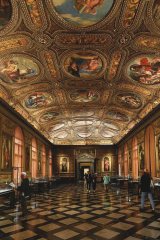
Marciana Library and Archaeological Museum
117 m
Library
Marciana Library and Archaeological Museum
117 m
In the San Marco sestiere
Nearby places to stay
Sur le même thème