St Mark's Campanile Monument
Standing 98.6 meters tall at the center of St Mark's Square, the Campanile has dominated Venice for over a thousand years. Rebuilt identically after its collapse in 1902, it remains the best viewpoint over the city and the lagoon.
St Mark's Campanile, sentinel of the lagoon
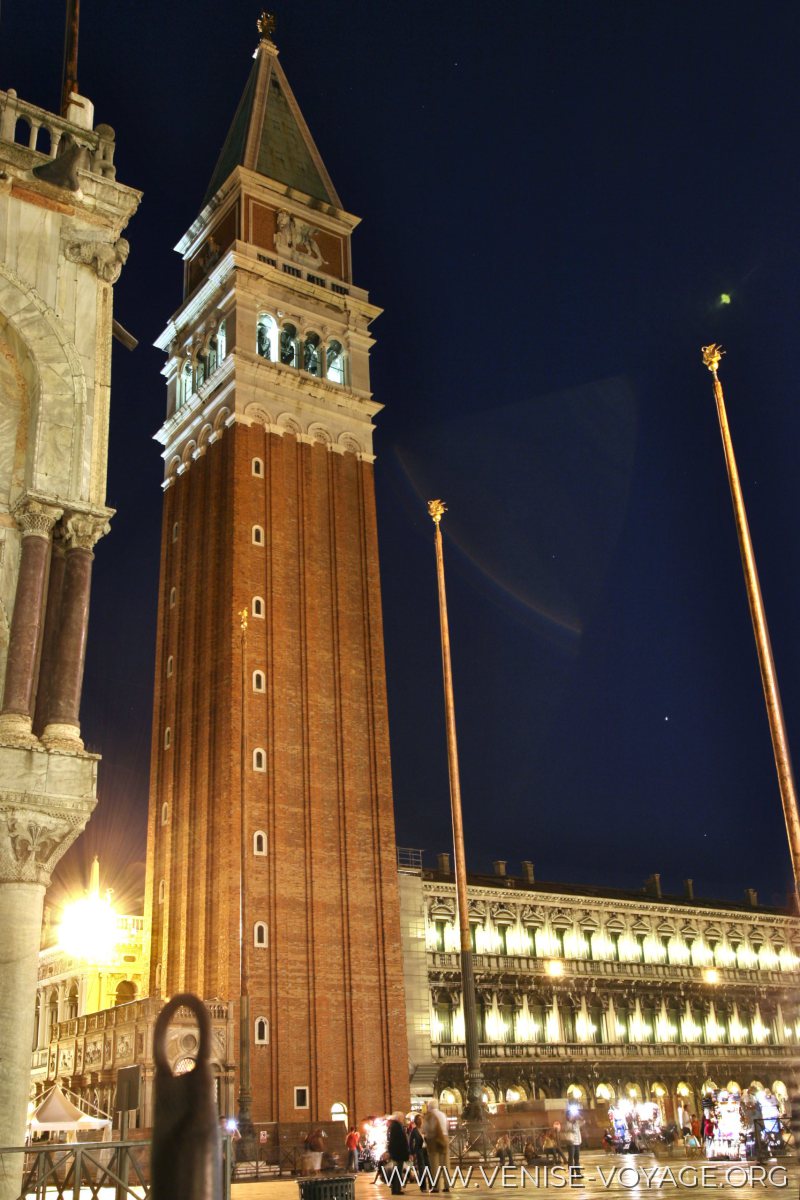
St Mark's Campanile
Isolated at the center of St Mark's Square, away from the basilica and the Doge's Palace, the Campanile dominates Venice with its 98.6 meters. Its brick silhouette, topped with a pyramidal spire and a golden angel turning in the wind, has served for centuries as a landmark for sailors and visitors alike: it can be seen from afar, long before the rest of the city is distinguishable.
The current tower extends a much older building. As early as the 9th century, under the dogate of Pietro Tribuno, a first watchtower rose at this location, remodeled several times until it took on in the 12th century most of its final form: a square brick shaft surmounted by a marble loggia and a spire. For nearly a thousand years, the Campanile served simultaneously as a bell tower, a watchtower overlooking the St Mark's Basin, and a lighthouse for ships entering the lagoon.
Five historic bells once punctuated the civil and religious life of the Republic: the Marangona rang the beginning and end of the workday, the Trottiera summoned the members of the Grand Council, the Mezza Terza announced sessions of the Senate, the Nona rang at noon, and the Renghiera, also called the Maleficio, accompanied capital executions announced between the two columns of the Piazzetta.
The 1902 Collapse and the Identical Reconstruction
On July 14, 1902, at 9:53 a.m., the Campanile collapsed violently upon itself, weakened by work carried out in its foundations. The spectacular collapse caused no casualties: the square had been evacuated a few moments earlier, as the first signs of cracks had alerted the Venetians. Only the Sansovino's Loggetta, leaning against its base, was damaged.
The municipal council decided the very next day to rebuild the tower "dov'era e com'era" ("where it was and as it was"), faithfully reproducing the appearance of the disappeared building while equipping it with an internal reinforced concrete structure, stronger and more resistant. Designed by the architect Gaetano Moretti, the new tower was completed in 1912 and inaugurated on April 25, St Mark's Day, exactly one thousand years after the construction of the first tower.
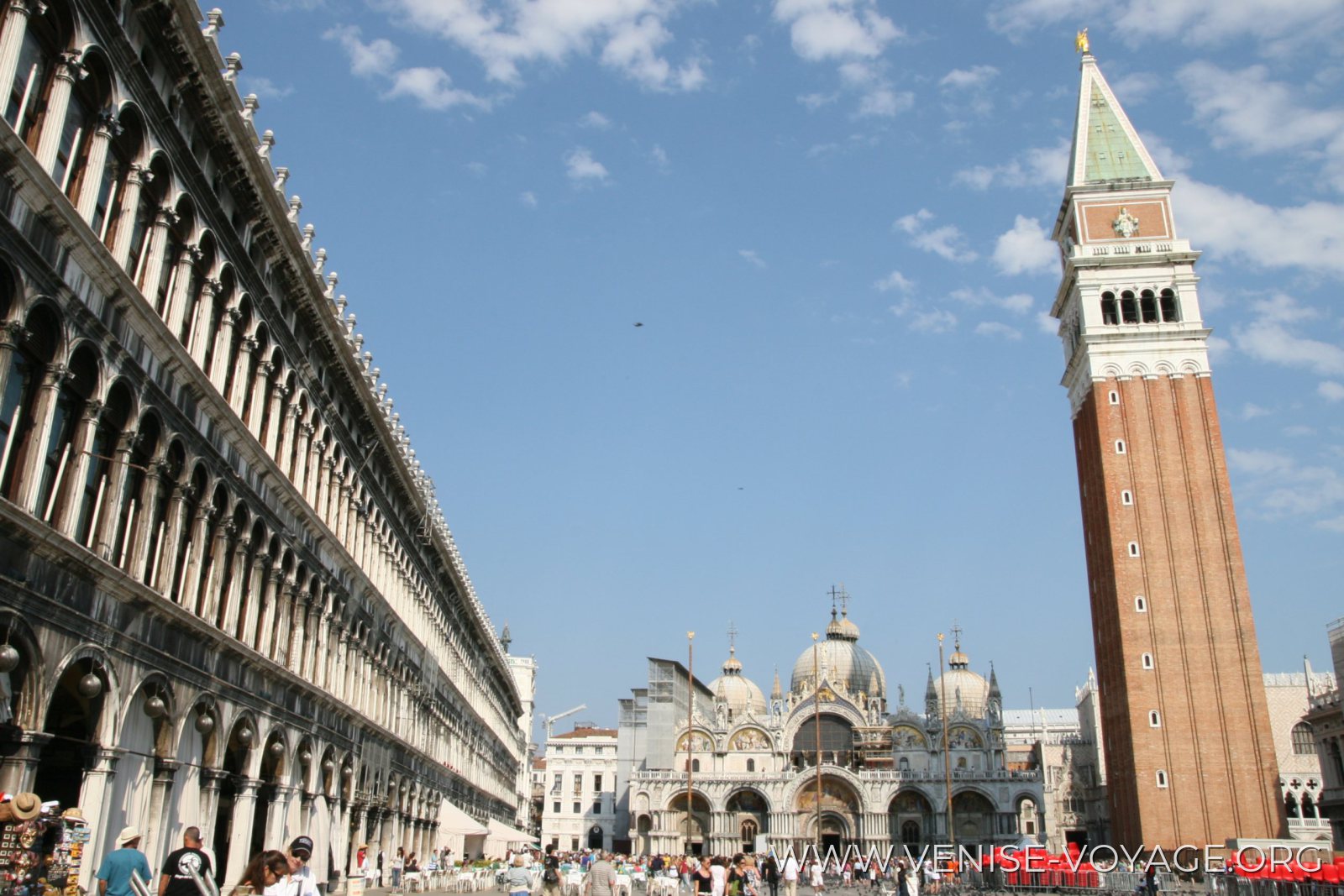
St Mark's Square and campanile
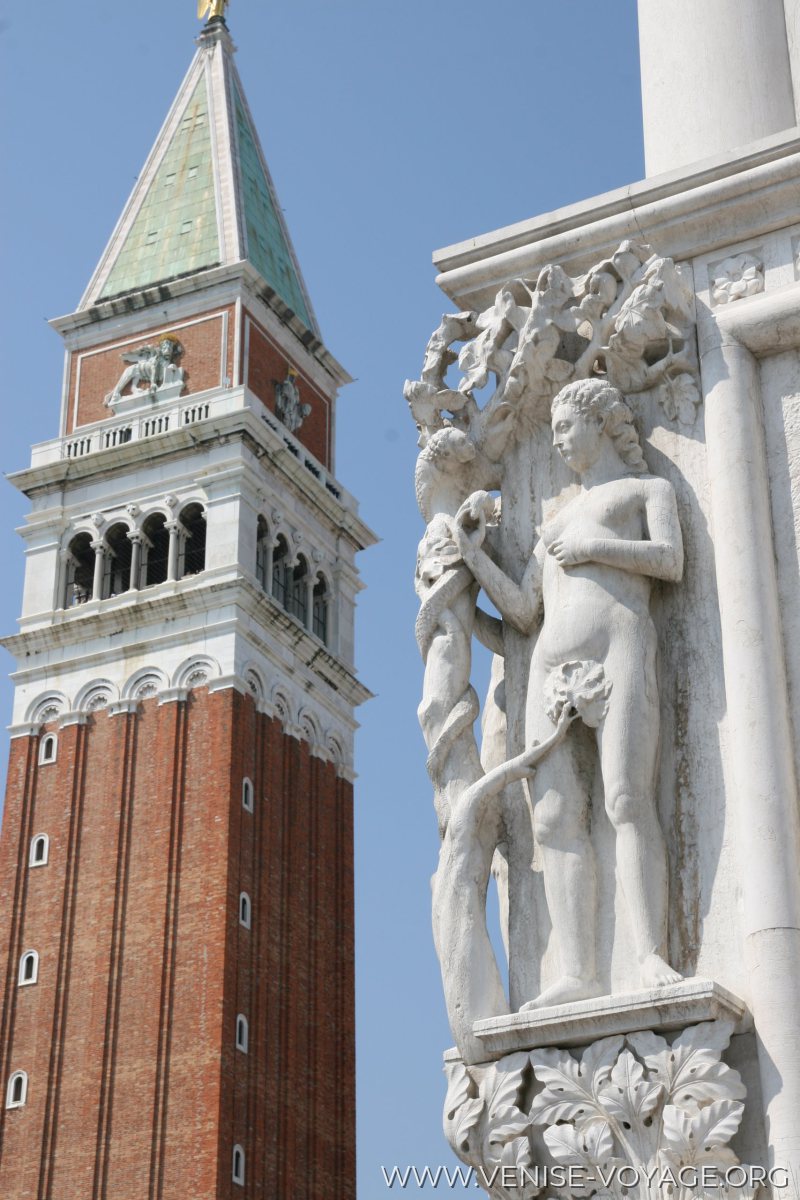
Piazza San Marco, Venice
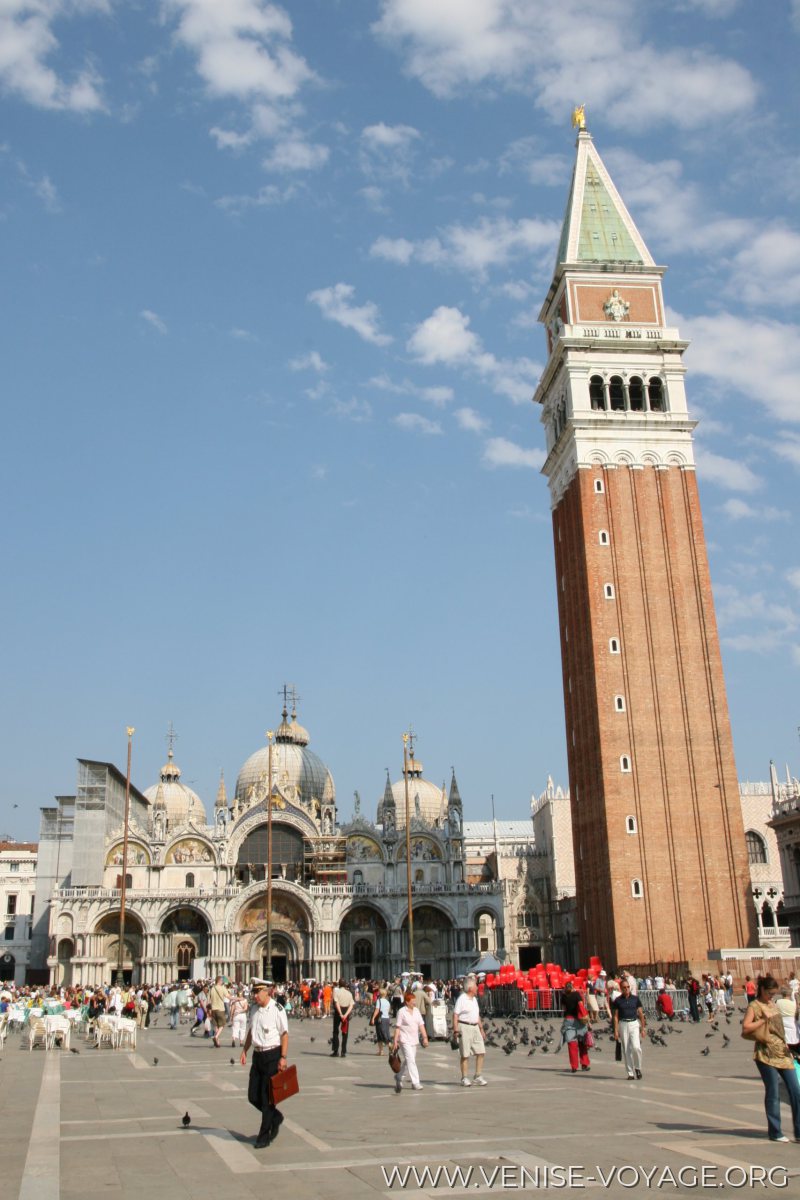
St Mark's Square and campanile
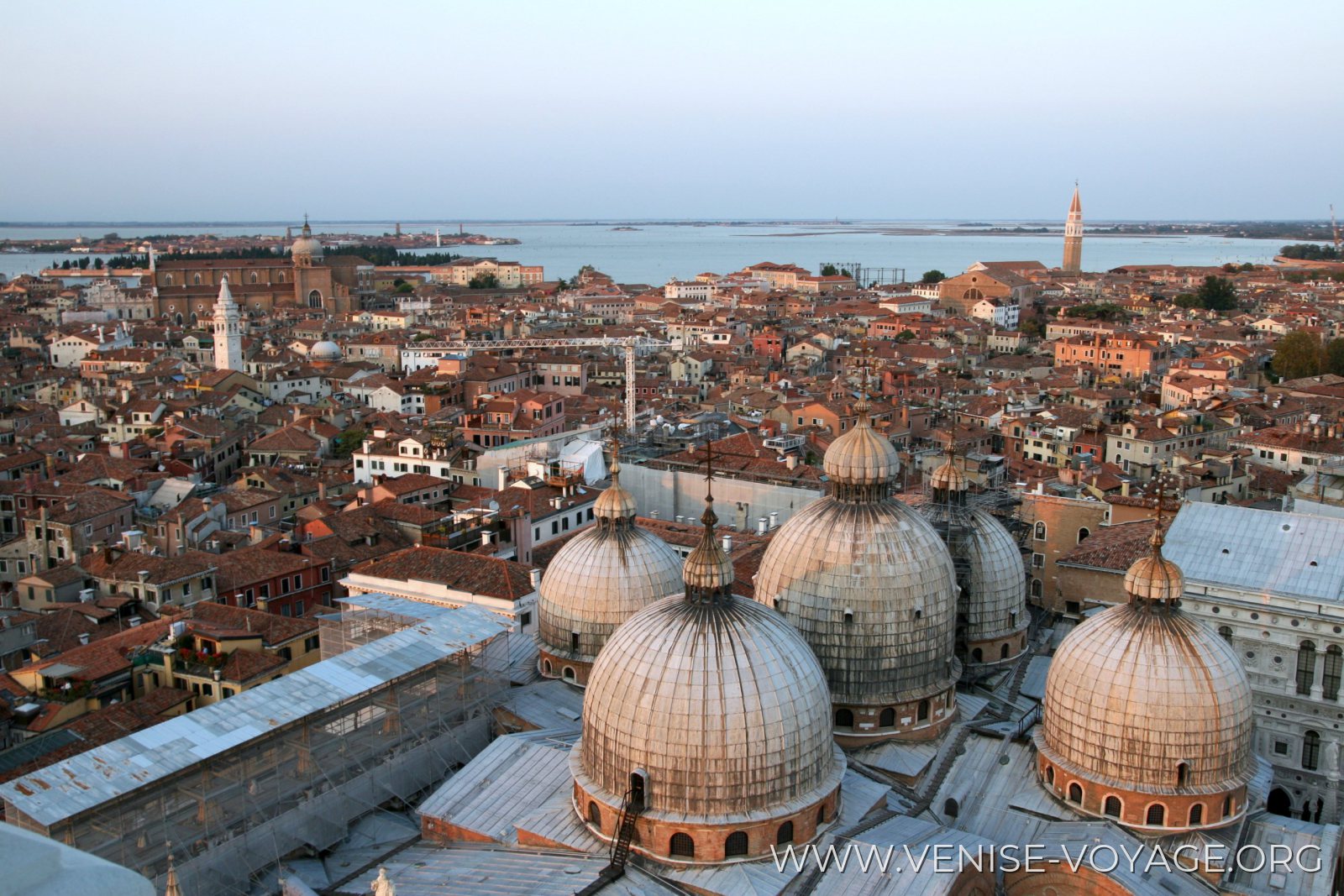
What the summit reveals
An elevator, installed since the reconstruction, takes visitors to the upper loggia, the only way to quickly reach a high viewpoint over the historic center. From the balustrade, the panorama encompasses St Mark's Square and its arcades, the domes of the basilica seen from above, the Doge's Palace, St Mark's Basin and the island of San Giorgio Maggiore, the Giudecca, and on clear days the peaks of the Alps and the Dolomites on the horizon.
The Campanile remains today the highest point of the historic center of Venice, the only building whose height has been deemed compatible with the precarious stability of the lagoon soils — an exception the city has never repeated.
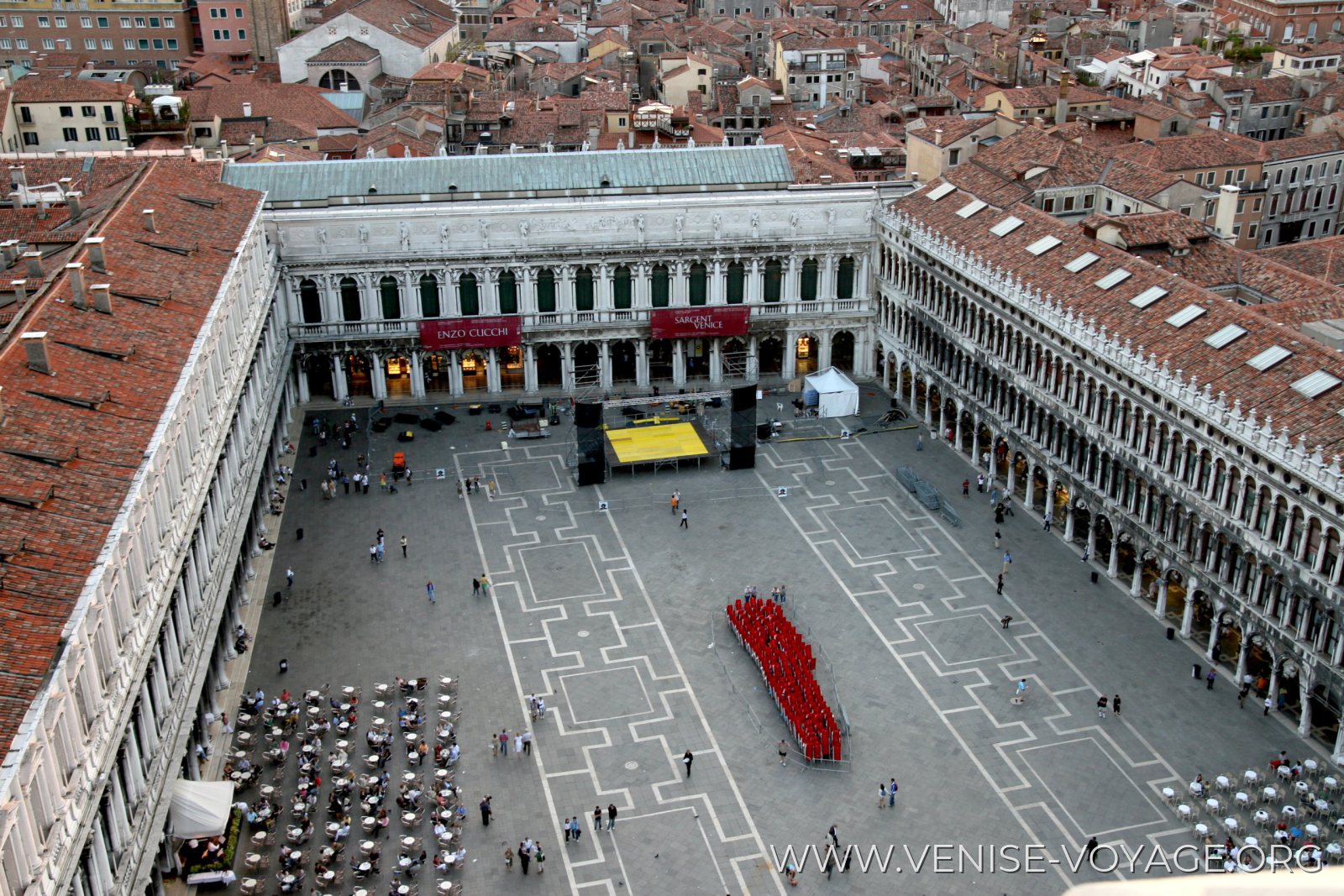
Panorama from St Mark's bell tower
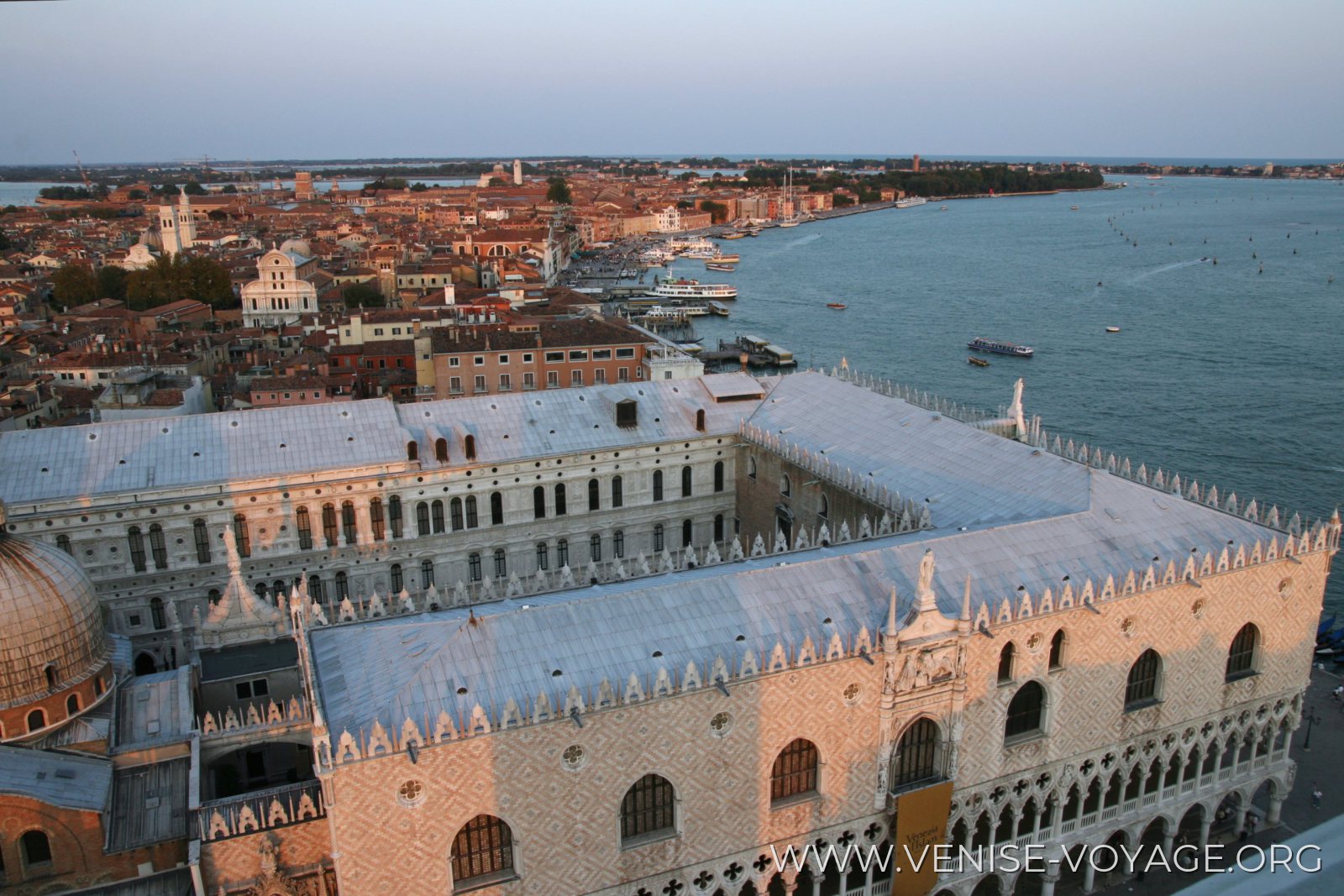
Panorama from St Mark's bell tower
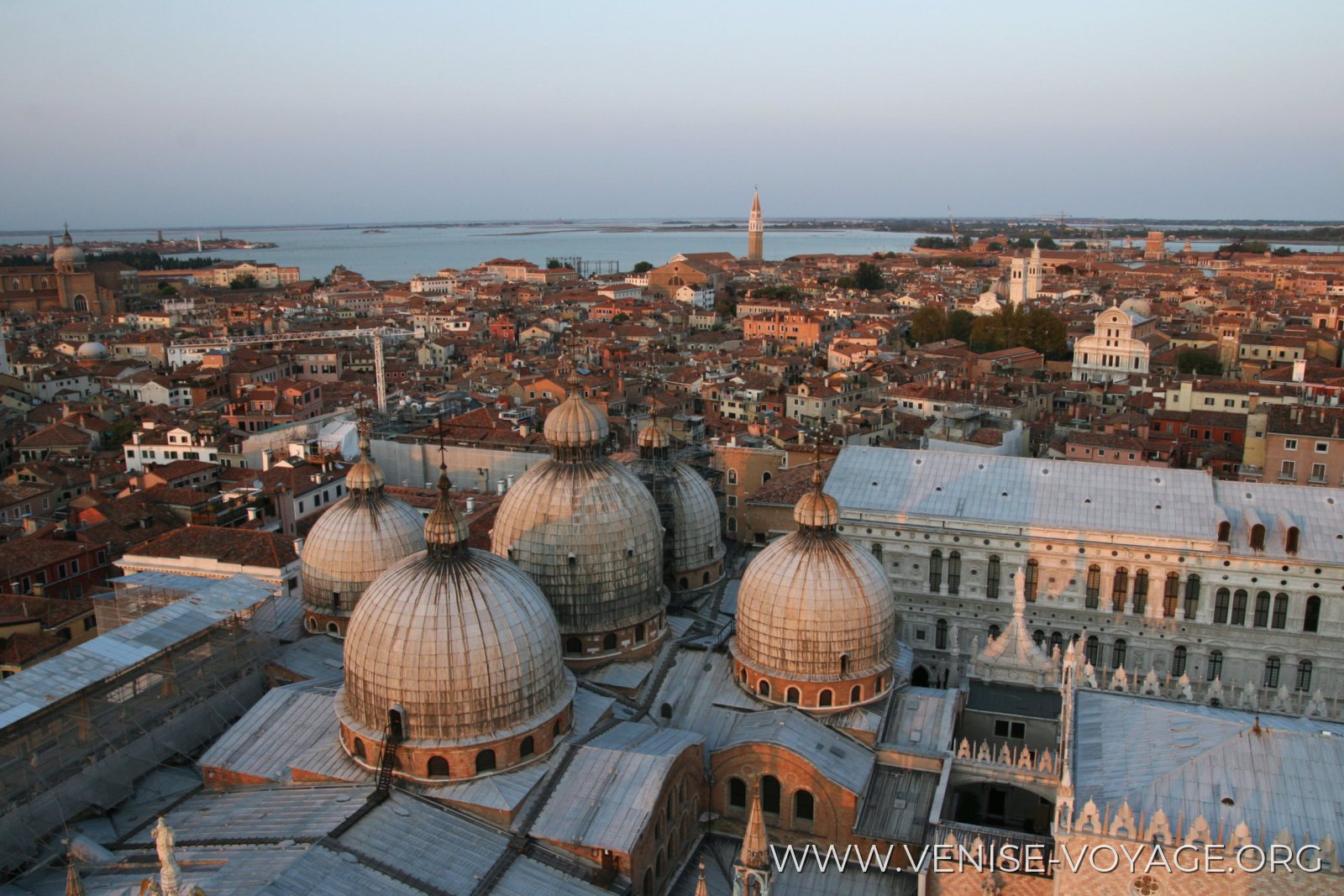
Panorama from St Mark's bell tower
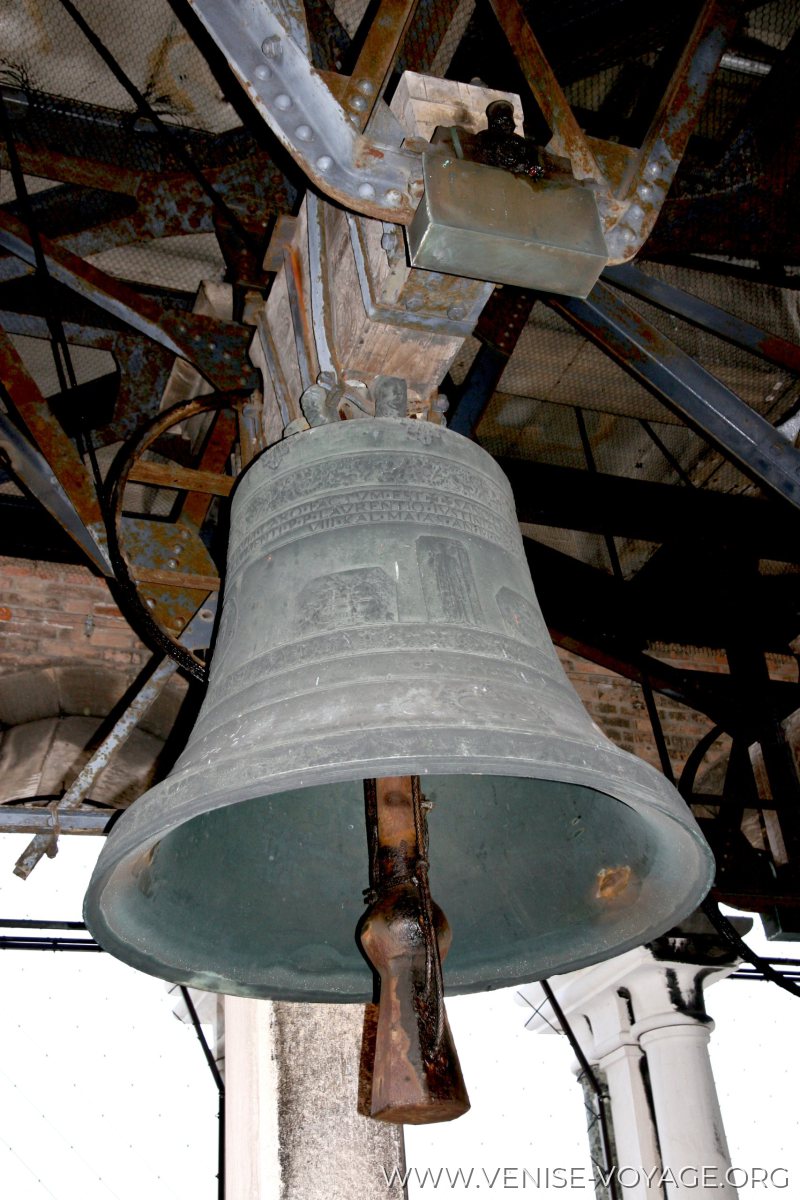
St Mark's Campanile
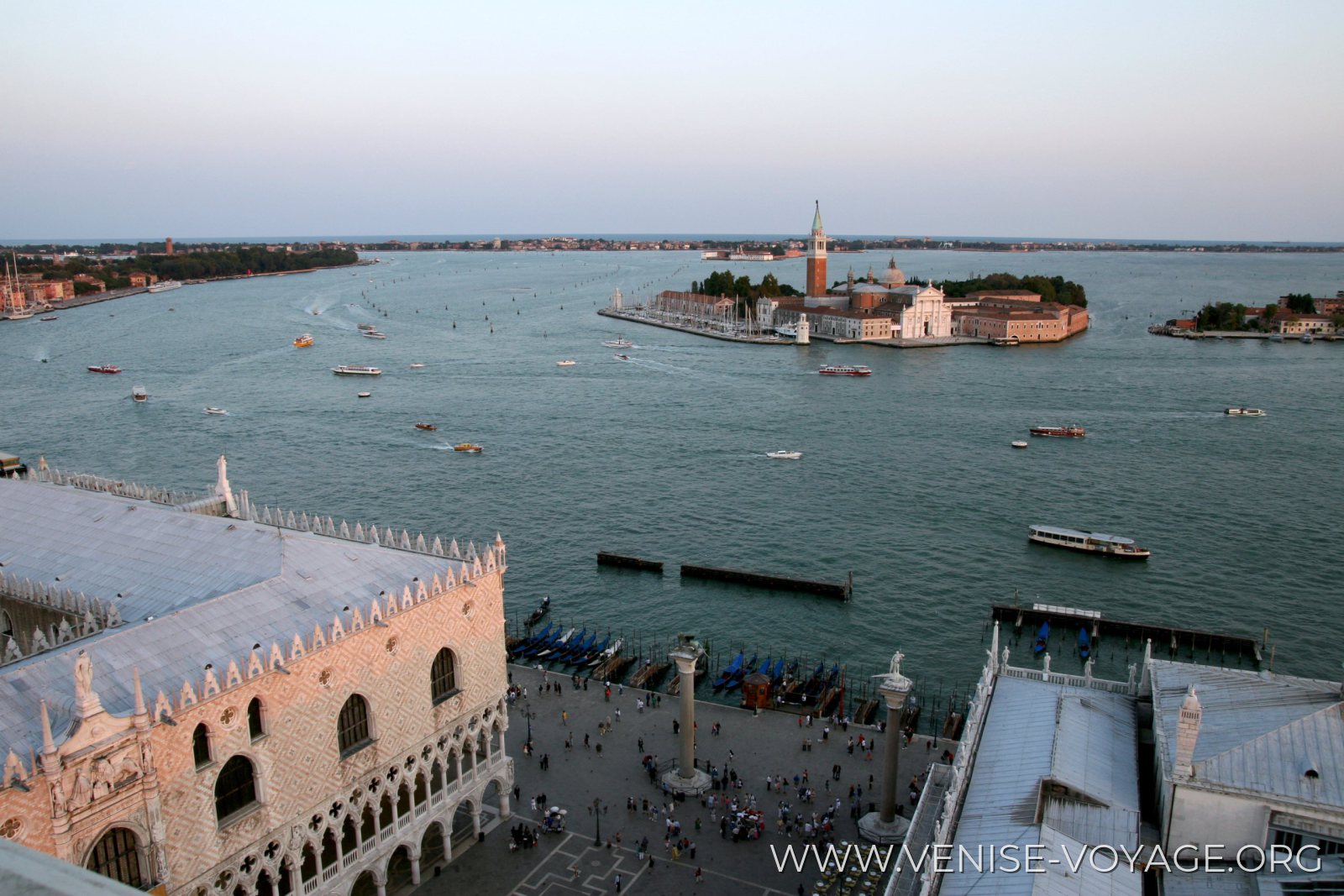
Panorama from St Mark's bell tower
Panorama from St Mark's bell tower
Sources and further information
St Mark's Basilica and Campanile - official ticket office ; Wikipedia - St Mark's Campanile.
Map and route
Near the St Mark's Campanile and places in the district
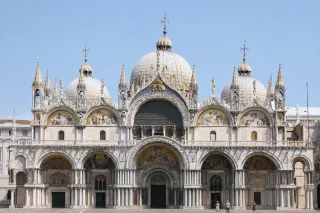 Church
St Mark's Basilica
53 m
Church
St Mark's Basilica
53 m
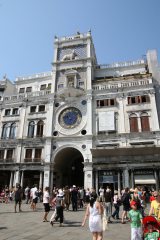 Monument
St Mark's Clock Tower
65 m
Monument
St Mark's Clock Tower
65 m
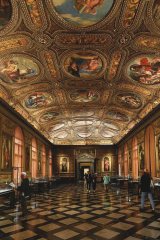 Library
Marciana Library and Archaeological Museum
93 m
Library
Marciana Library and Archaeological Museum
93 m
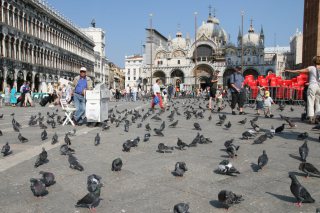 Square
St Mark's Square
93 m
Square
St Mark's Square
93 m
In the San Marco sestiere
Nearby places to stay
Sur le même thème