The vast sestiere of Cannaregio stretches to the north of Venice, from Santa Lucia station to the shores of the lagoon. Still largely residential, it reveals a more peaceful and everyday atmosphere as soon as you leave the busy Strada Nova. Its long canals, churches and quiet quays offer a more discreet side of the city, generally less visited than the monumental centre. The district also houses the old Ghetto of Venice, founded in 1516, one of its main historic sites.
Cannaregio, between palaces, ghetto and everyday Venice
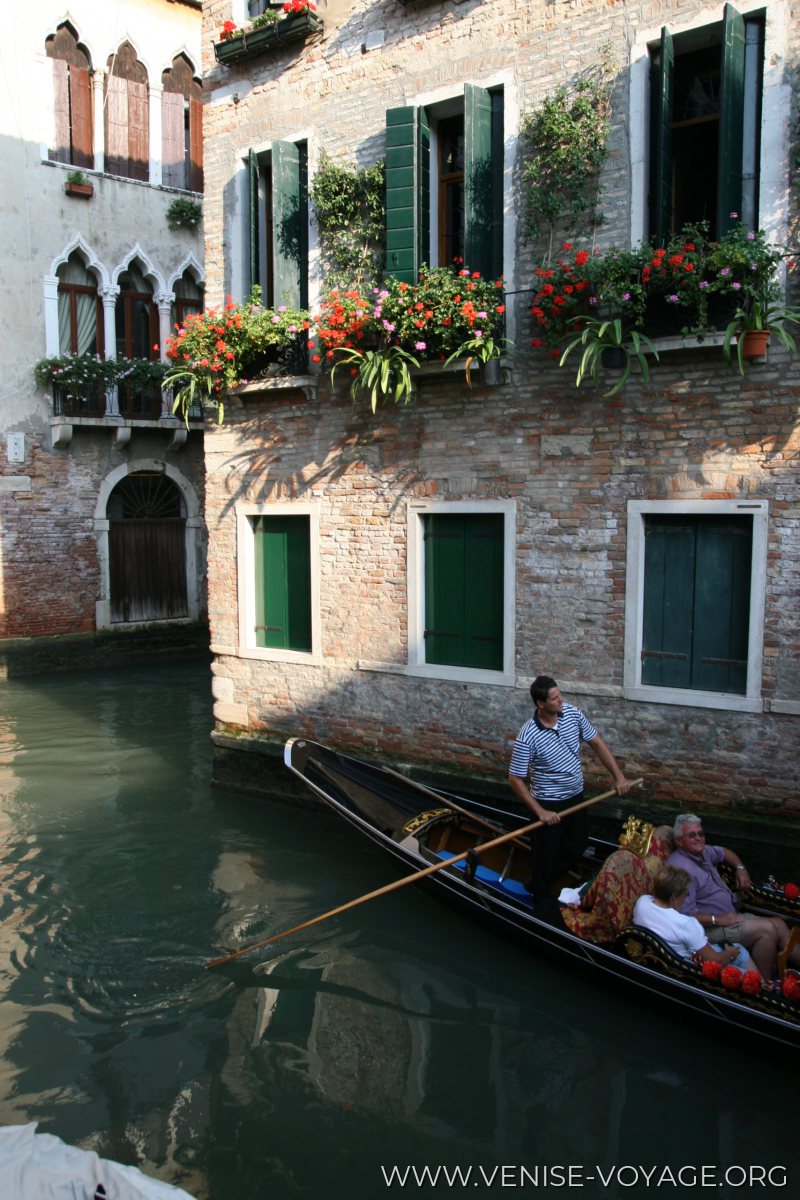
Canals of Cannareggio
Cannaregio occupies the entire north-west part of Venice, from Santa Lucia station to the quieter districts facing the lagoon. Crossed by long, almost straight canals, it offers two very different faces: the lively axis of Lista di Spagna and Strada Nova, used every day by crowds of visitors, and a network of quays and alleyways where a more ordinary Venetian life remains.
The origin of its name remains debated. It could derive from Canal Regio, an old channel allowing access to the city from the mainland, or from canneto, in reference to the reeds that once grew in this marshy area.
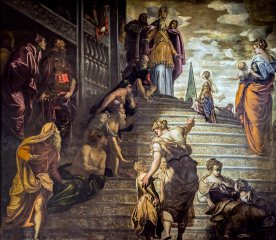
Site of the historic ghetto, Cannaregio was also the district of Tintoretto. The painter lived near Campo dei Mori and was buried in the church of the Madonna dell'Orto, where several of his monumental works are found. Between Gothic churches, refined palaces, former charitable institutions and modest houses lined up along the canals, the sestiere sums up the contrasts of Venice quite well, without needing to stage them.
The district therefore deserves more than a mere passage between the station and Rialto. By leaving Strada Nova to follow the canals towards the Ghetto, Sant'Alvise or the Madonna dell'Orto, you discover a district that is larger, more contrasting and often more peaceful than its very busy entrance suggests.
Places to discover in Cannaregio
- The Venice Ghetto: made up of the Ghetto Nuovo, the Ghetto Vecchio and the Ghetto Novissimo, it retains several old synagogues discreetly fitted out in the upper floors of the buildings. Its tall houses bear witness to the lack of space imposed on a population long confined to a restricted perimeter.
- The Ca' d'Oro: built in the 15th century, it is one of the masterpieces of Venetian Gothic. Its facade was once enhanced with gold and colours; it now houses the Galleria Giorgio Franchetti and its collection of paintings, sculptures and art objects.
- The Madonna dell'Orto: this large Gothic brick church owes its name to a statue of the Virgin found, according to tradition, in a nearby garden. It houses in particular the Last Judgement, the Adoration of the Golden Calf and the tomb of Tintoretto.
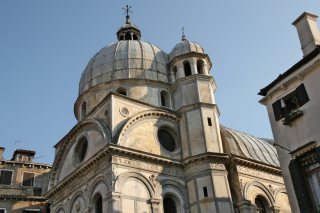
- Santa Maria dei Miracoli: entirely covered with polychrome marbles, this small Renaissance church was built at the end of the 15th century to house an image of the Virgin considered miraculous. Its harmonious proportions make it one of the most singular buildings in Venice.
- Santa Maria Assunta of the Jesuits: rebuilt in the 18th century by the Jesuits, this large Baroque church surprises with its spectacular white and green marble decoration imitating fabrics. It notably retains the Martyrdom of Saint Lawrence by Titian and several works by Tintoretto.
- Santa Maria di Nazareth degli Scalzi: located on the Grand Canal in the immediate vicinity of the station, this church of the Discalced Carmelites has an imposing marble facade and a particularly rich Baroque interior. Its decor includes works by several great artists of the 17th and 18th centuries.
- The Ca' Vendramin Calergi: this Renaissance palace overlooking the Grand Canal now houses the Venice casino. Richard Wagner spent the last months of his life there and died there in February 1883.
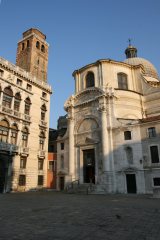
- The Palazzo Labia and San Geremia: near the Cannaregio canal, the palace is famous for the room decorated by Tiepolo on the theme of Antony and Cleopatra. The neighbouring church of San Geremia preserves the relics traditionally attributed to Saint Lucy.
- The Scuola Grande della Misericordia: begun in the 16th century to a design by Jacopo Sansovino, this immense former confraternity is among the largest civil buildings in Venice. Its large upper hall and monumental dimensions bear witness to the power of the Venetian scuole.
- The Campo dei Mori: three oriental statues set into the facades traditionally represent the Mastelli brothers, merchants from the Peloponnese. Nearby is the house attributed to Tintoretto, recognisable by its facade adorned with a small relief.
- The Fondamente degli Ormesini and della Misericordia: lined with houses, workshops, bàcari and small terraces, they are among the most pleasant walks in the district. Very lively in the evening, they retain a more local atmosphere during the day.
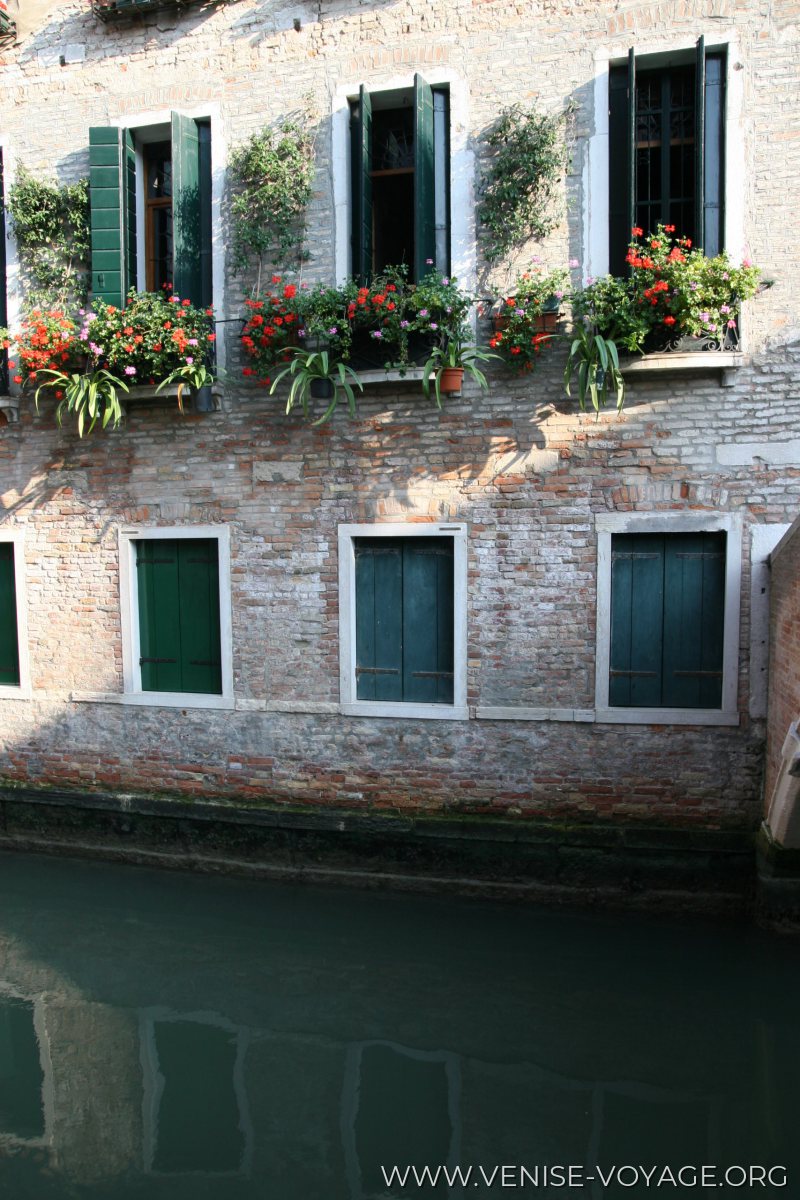
Canals of Cannareggio
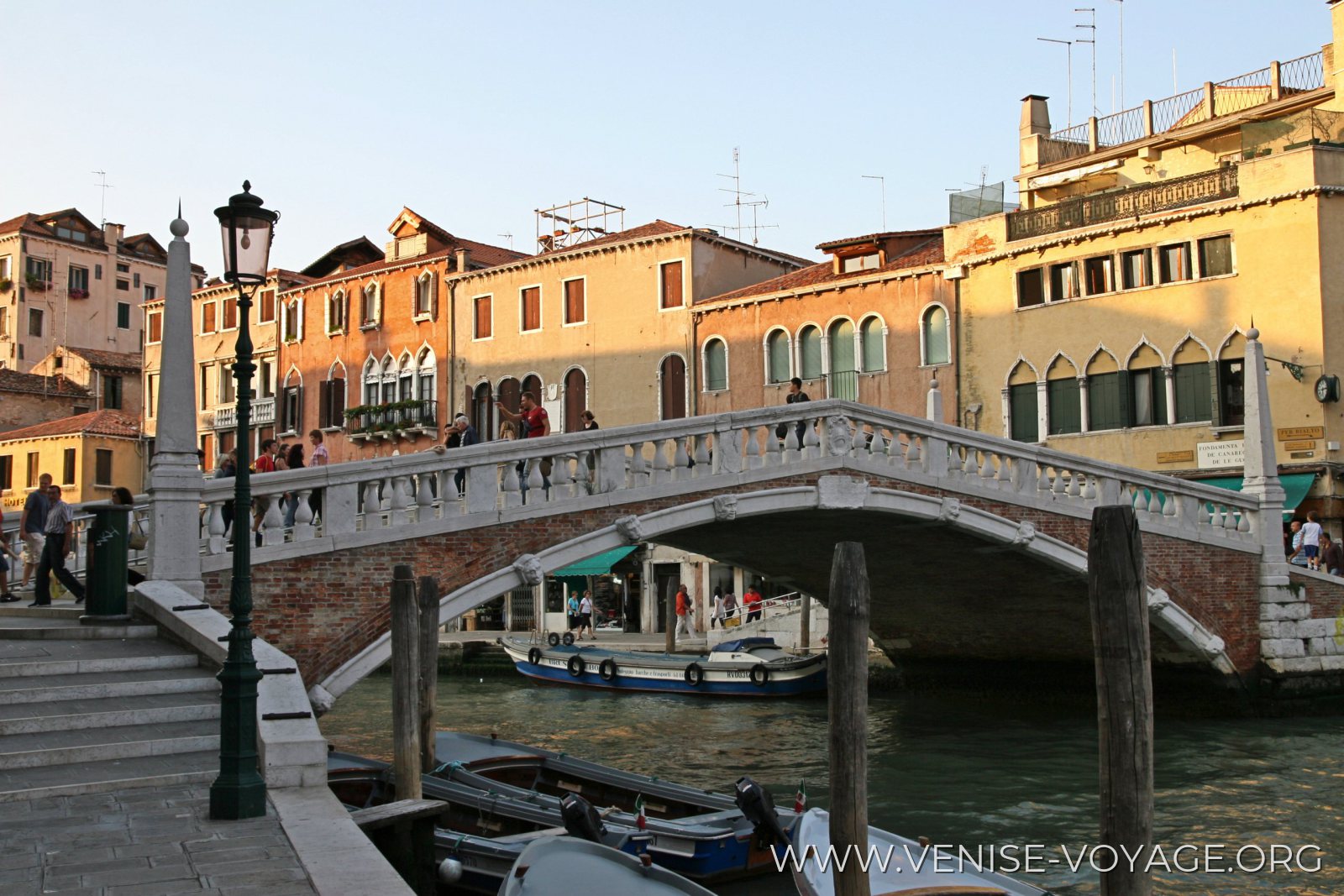
Ponte delle Guglie, Cannareggio
Places in Cannaregio
13 places in this district.
 1
Monument
Venice Ghetto
Historic sector of Cannaregio where the Jewish community of Venice was confined to residence starting in 1516. Near the busy stree…
1
Monument
Venice Ghetto
Historic sector of Cannaregio where the Jewish community of Venice was confined to residence starting in 1516. Near the busy stree…
 2
Museum
Ca’ d’Oro
Gothic palace on the Grand Canal, today the Galleria Giorgio Franchetti, famous for its once-gilded facade.
2
Museum
Ca’ d’Oro
Gothic palace on the Grand Canal, today the Galleria Giorgio Franchetti, famous for its once-gilded facade.
 3
Church
Madonna dell’Orto
Large Gothic church in Cannaregio, strongly linked to Tintoretto and to a statue of the Virgin that became an object of devotion.
3
Church
Madonna dell’Orto
Large Gothic church in Cannaregio, strongly linked to Tintoretto and to a statue of the Virgin that became an object of devotion.
 4
Church
Santa Maria dei Miracoli
A small Venetian Renaissance church, entirely clad in polychrome marble.
5
Church
Santa Maria Assunta dei Gesuiti
Baroque church in Cannaregio rebuilt in the 18th century by the Jesuits, famous for its white and green marble decor imitating fab…
6
Church
Santa Maria di Nazareth
Baroque church of the Discalced Carmelites on the Grand Canal near Santa Lucia station, known for its unique façade in Carrara mar…
7
Palace
Ca’ Vendramin Calergi
Grand palace of the Venetian Renaissance in the Cannaregio district, now home to the casino and linked to Richard Wagner's last da…
8
Palace
Palazzo Labia
Baroque palace near the Cannaregio canal, known for the salon painted by Giambattista Tiepolo, near San Geremia and not far from t…
4
Church
Santa Maria dei Miracoli
A small Venetian Renaissance church, entirely clad in polychrome marble.
5
Church
Santa Maria Assunta dei Gesuiti
Baroque church in Cannaregio rebuilt in the 18th century by the Jesuits, famous for its white and green marble decor imitating fab…
6
Church
Santa Maria di Nazareth
Baroque church of the Discalced Carmelites on the Grand Canal near Santa Lucia station, known for its unique façade in Carrara mar…
7
Palace
Ca’ Vendramin Calergi
Grand palace of the Venetian Renaissance in the Cannaregio district, now home to the casino and linked to Richard Wagner's last da…
8
Palace
Palazzo Labia
Baroque palace near the Cannaregio canal, known for the salon painted by Giambattista Tiepolo, near San Geremia and not far from t…
 9
Church
Church of San Geremia
Church in Cannaregio near the station, known for preserving the relics traditionally attributed to Saint Lucy. San Geremia natural…
10
Monument
Scuola Grande della Misericordia
Imposing Renaissance edifice in Cannaregio designed by Jacopo Sansovino for one of the great confraternities of Venice, today a cu…
11
Square
Campo dei Mori
A small campo in Cannaregio known for its statues embedded in the walls and the memory of the Mastelli merchants.
12
Monument
Tintoretto's House
House traditionally associated with Tintoretto, near Campo dei Mori and Madonna dell’Orto.
13
Street / Area
Quays of the Ormesini and Misericordia
The long quays of Cannaregio are lively and local, lined with canals, bars, workshops and small terraces. This walk completes the …
9
Church
Church of San Geremia
Church in Cannaregio near the station, known for preserving the relics traditionally attributed to Saint Lucy. San Geremia natural…
10
Monument
Scuola Grande della Misericordia
Imposing Renaissance edifice in Cannaregio designed by Jacopo Sansovino for one of the great confraternities of Venice, today a cu…
11
Square
Campo dei Mori
A small campo in Cannaregio known for its statues embedded in the walls and the memory of the Mastelli merchants.
12
Monument
Tintoretto's House
House traditionally associated with Tintoretto, near Campo dei Mori and Madonna dell’Orto.
13
Street / Area
Quays of the Ormesini and Misericordia
The long quays of Cannaregio are lively and local, lined with canals, bars, workshops and small terraces. This walk completes the …