Rialto Bridge Bridge
The most famous bridge in Venice connects San Polo to San Marco over the Grand Canal, in the historic heart of Rialto's trade.
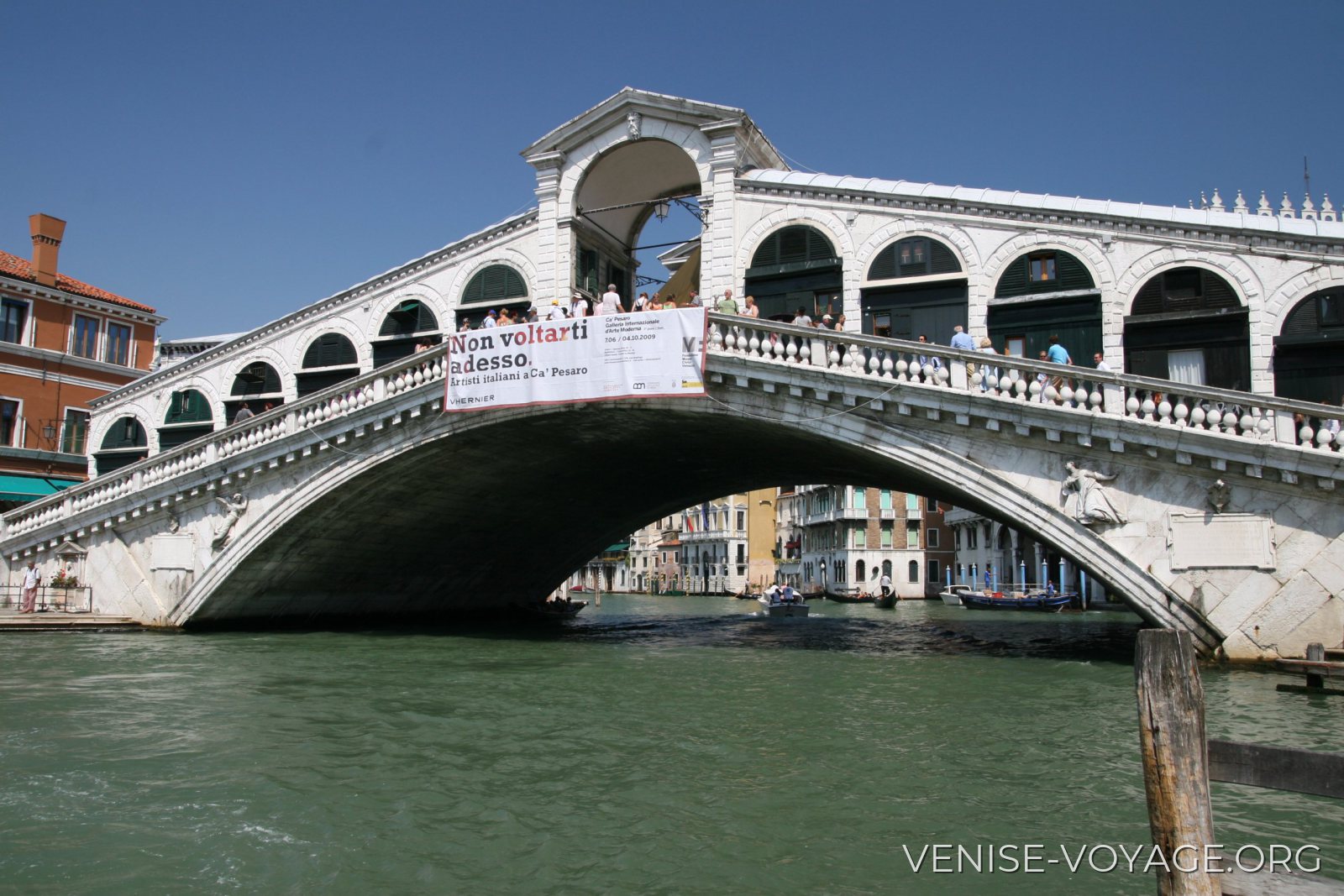
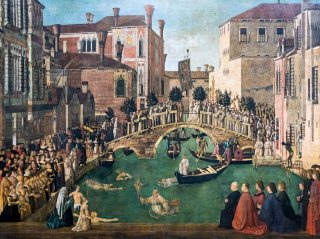
Rialto Bridge, the great trading passage of the Grand Canal
The Rialto Bridge crosses the Grand Canal between the sestieri of San Polo and San Marco, in the heart of the area that for centuries concentrated a large part of Venice's commercial and financial activities. It remains today a daily thoroughfare as well as a major urban landmark: on one side stretch the markets and the ancient trading streets of Rialto, on the other the routes leading to the Mercerie and St Mark's Square.
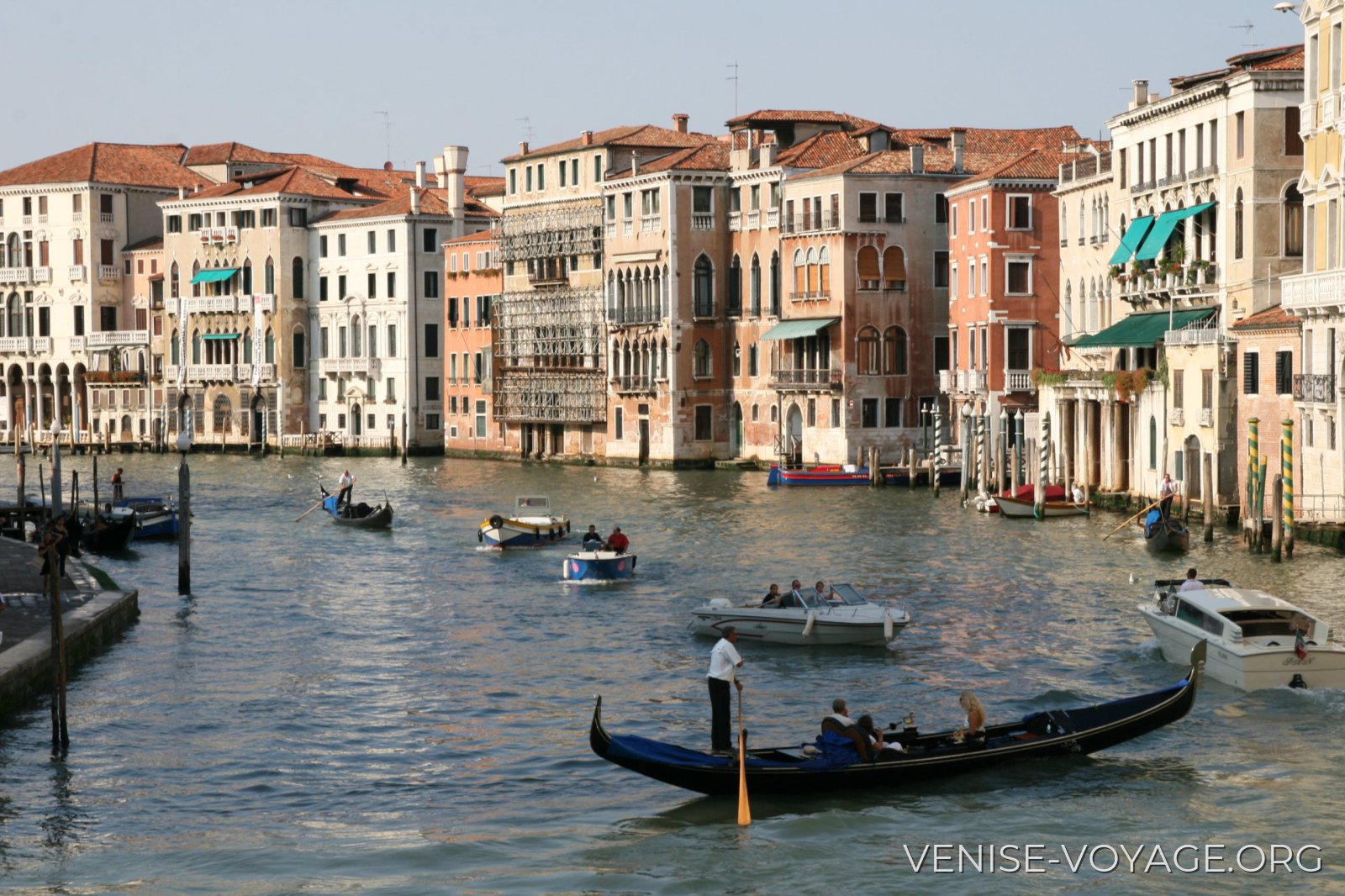
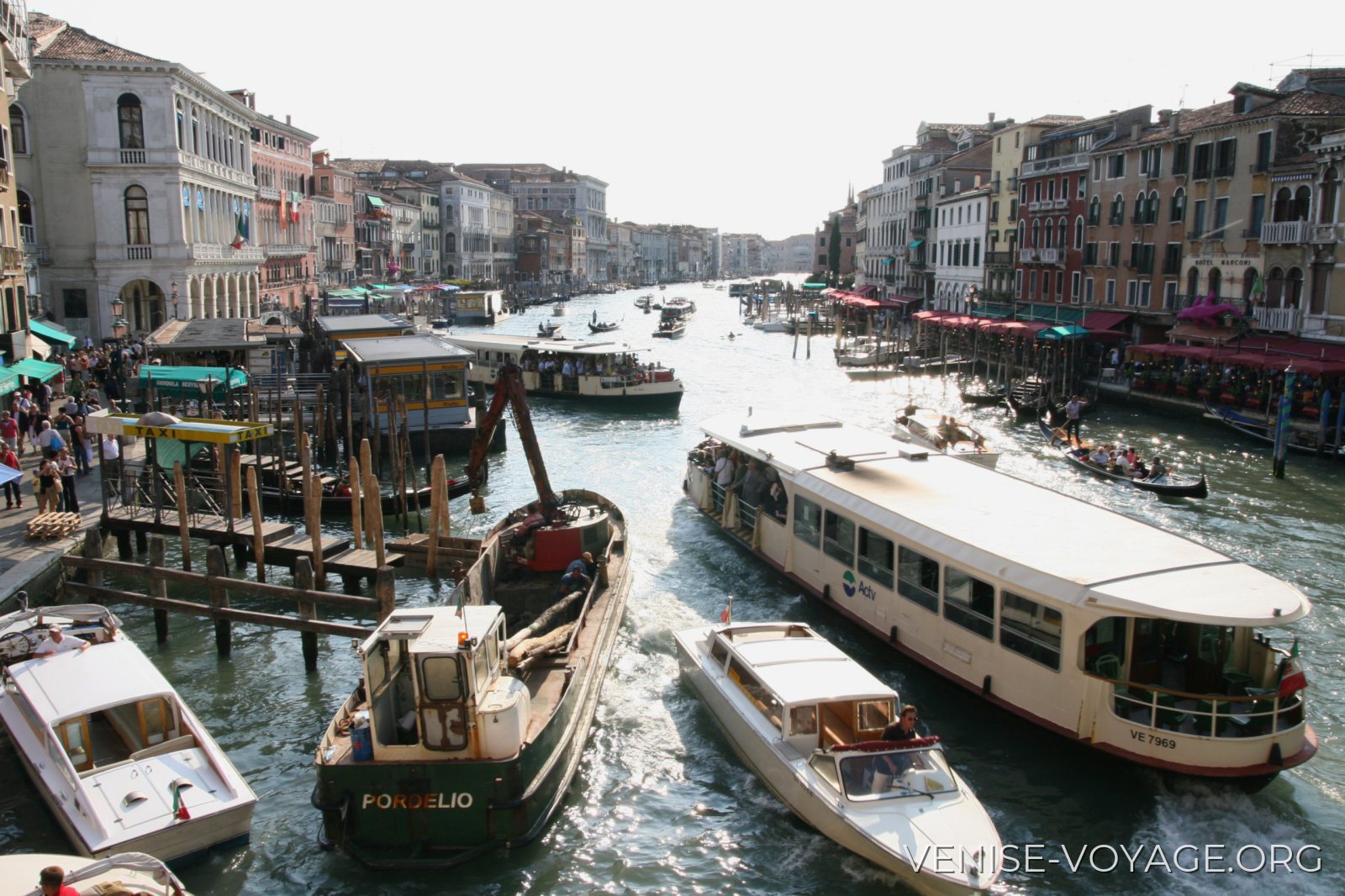
The Grand Canal from the Rialto Bridge
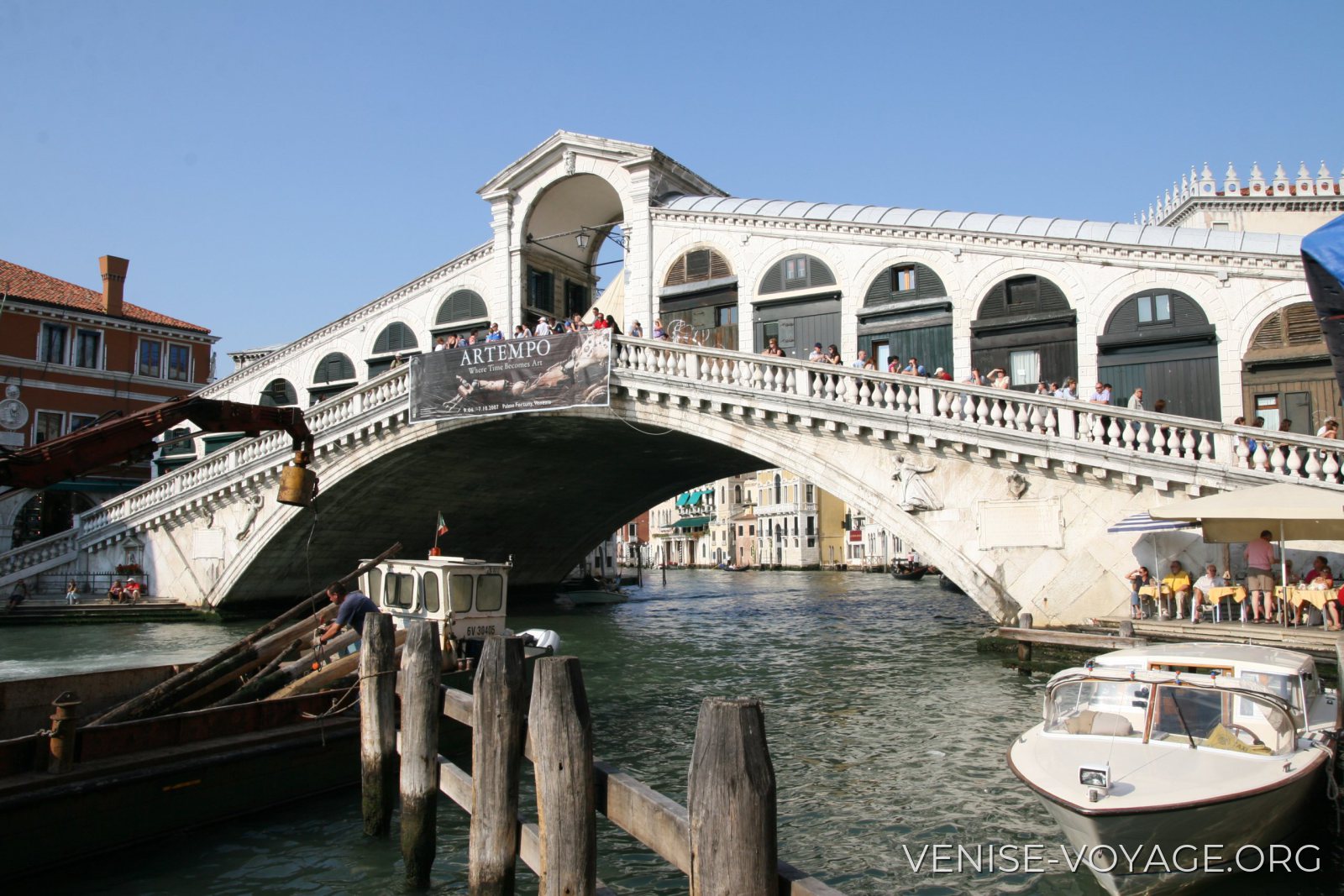
The choice of a single arch, with an opening of more than 28 metres, made it possible to cross the canal without an intermediate pier that could hinder navigation. The bridge, over 22 metres wide, is organized like a real street: three walkways run across it, with a central aisle flanked by the shops and two outer passages along the parapets.
Its 24 shops, arranged in two rows, are therefore not mere decoration. Integrated into the architecture of the bridge, they directly extend Rialto's trading vocation; as on the previous wooden structure, their rents also provided income to the Republic. This layout explains the particularly massive silhouette of the monument, which looks more like a small street suspended above the Grand Canal than an ordinary bridge.
One detail easily escapes visitors: the central parts of the bridge carry several reliefs linked to Venice's identity. On one side is the Annunciation, with the angel Gabriel, the Virgin and the dove of the Holy Spirit; on the other appear St Mark and St Theodore, respectively patron and former patron of the city.
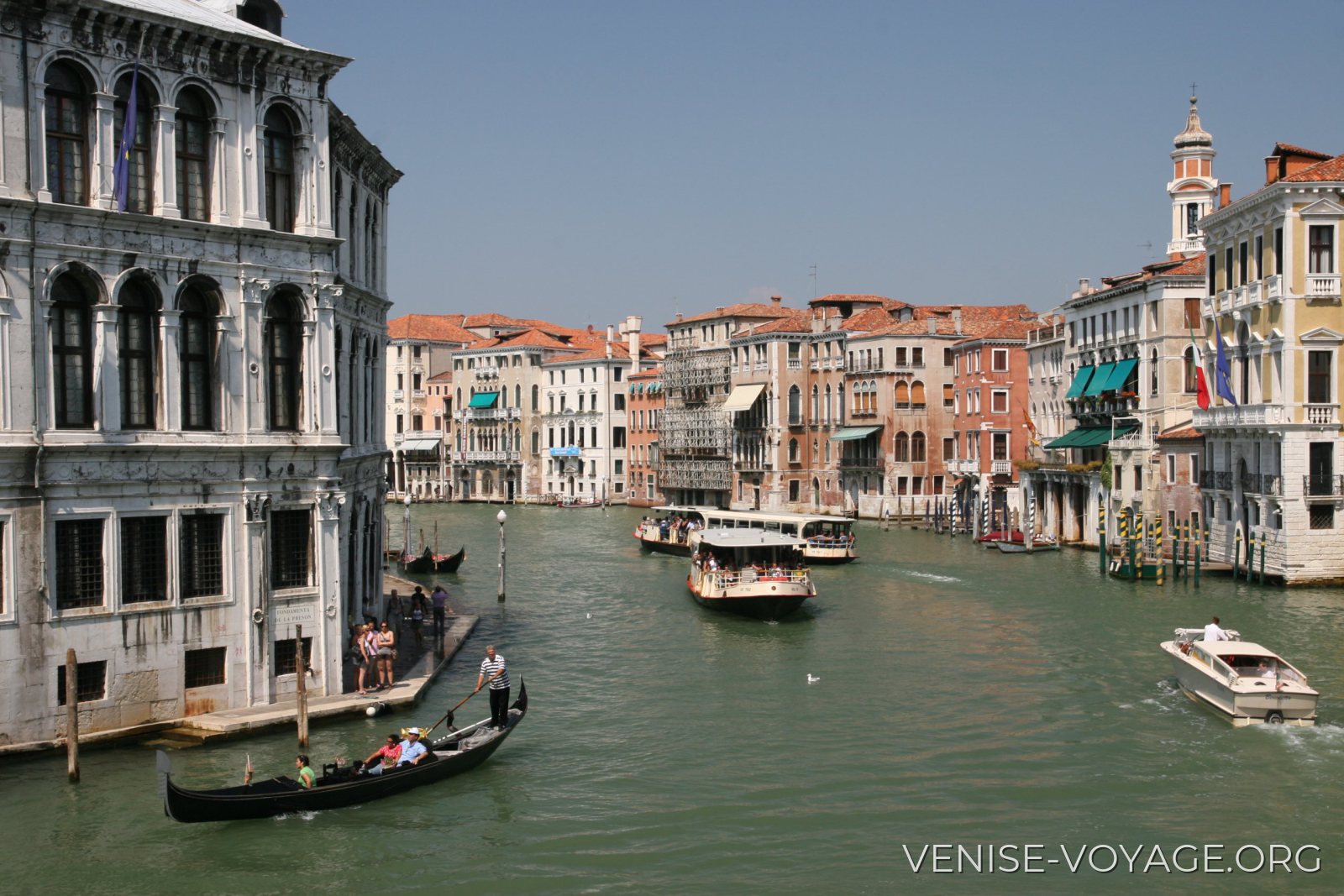
Crossing is as much for the monument as for the views offered from its parapets. The eye follows the curve of the Grand Canal between palaces, landings, gondolas and service boats. On the San Polo side, above all stretches the old trading quarter of Rialto, with its markets, its specialized streets and the buildings linked to the commercial magistracies. It was here that banks, maritime insurance, merchants and goods from many regions of the Mediterranean and Europe were concentrated.
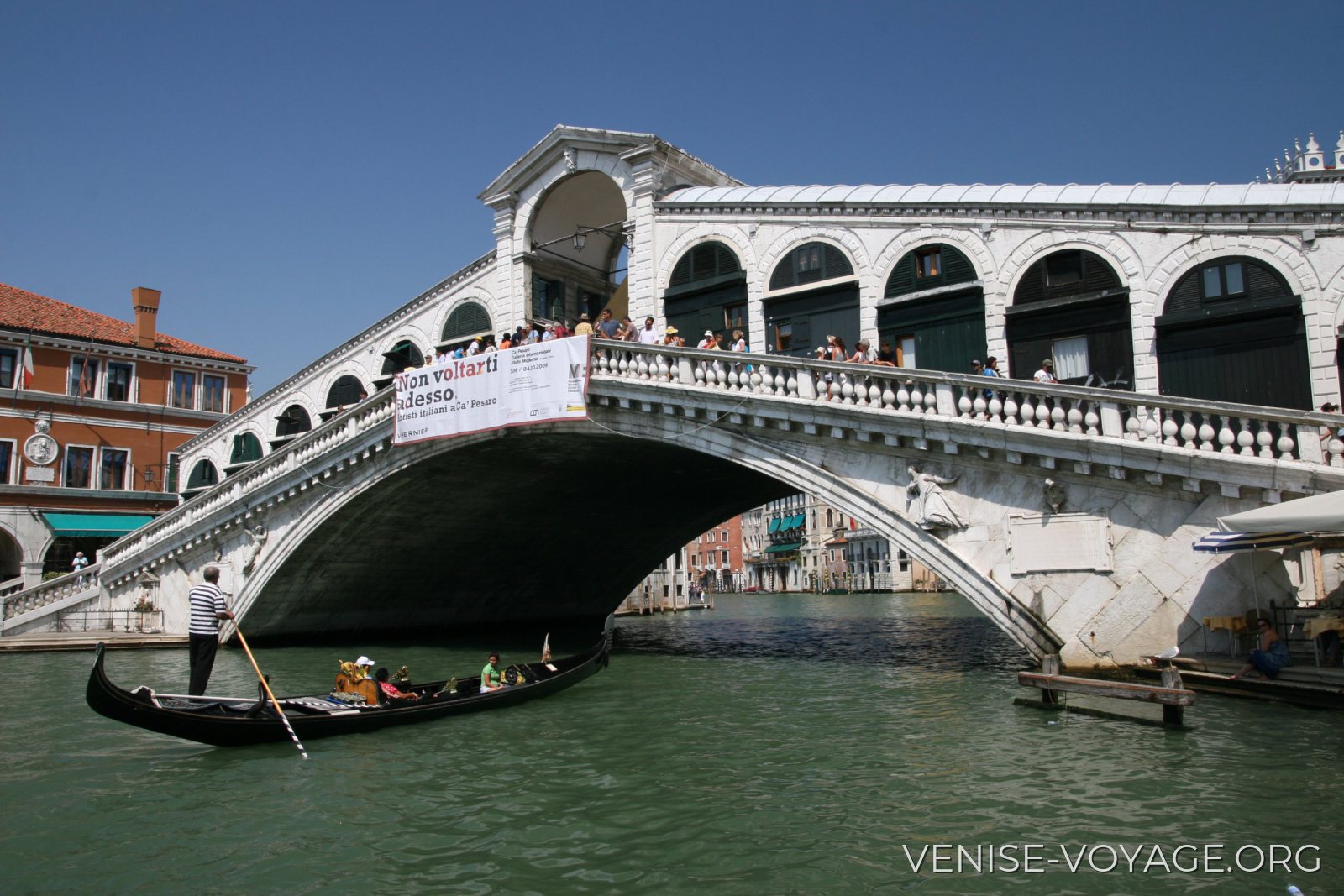
The bridge also deserves to be observed from the water or from the neighboring banks, particularly near the Palazzo dei Camerlenghi and the Fontego dei Tedeschi. One then distinguishes much better its single arch, its symmetrical ramps and the light mass of its stone. More than a simple iconic monument, the Rialto thus bears witness to commercial Venice: a city whose architecture itself was designed to accompany the circulation of men, goods and money.
Visiting Tips
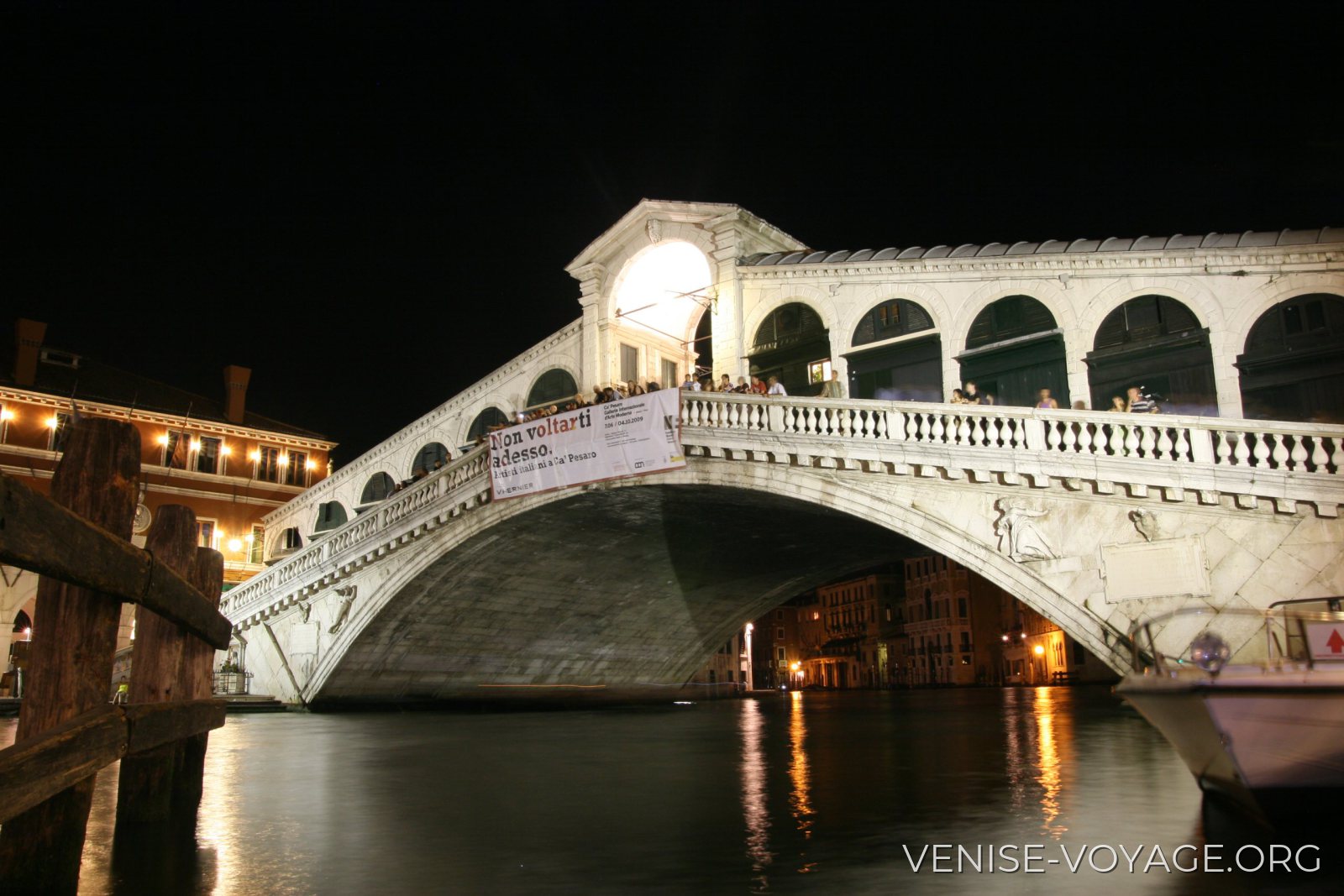
The area is extremely busy during the day, especially between late morning and mid-afternoon. To enjoy the bridge and its views more calmly, it is better to come early in the morning, when the neighborhood is starting to come alive, or to return in the evening, when activity diminishes and the lights of the palaces and boats are reflected on the Grand Canal.
To truly understand its architecture, it is preferable not to limit yourself to crossing it. The neighboring banks allow you to appreciate its overall profile, while a vaporetto ride under the bridge gives an excellent idea of the width of its arch and how it fits into one of the busiest stretches of the Grand Canal.
Gallery
Sources and further information
Venezia Unica - Rialto Bridge ; Comune di Venezia - Pescheria e Mercato di Rialto ; Treccani - Antonio da Ponte.
Map and route
Near the Rialto Bridge and places in the district
 Church
 of San Giacomo di Rialto
53 m
Street / Area
Riva del Vin
84 m
Church
Church of San Giacomo di Rialto
53 m
Street / Area
Riva del Vin
84 m
 Church
San Giovanni Elemosinario Church
116 m
Church
San Giovanni Elemosinario Church
116 m
 Church
 of San Salvador
160 m
Church
Church of San Salvador
160 m
In the San Polo sestiere

Nearby places to stay
Sur le même thème