San Francesco della Vigna Church
Franciscan church with a Palladian façade and a vast convent complex, San Francesco della Vigna is a stop between the Basilica of Santi Giovanni e Paolo, the Arsenal and the eastern quarters of Castello. The monument reminds us that this vast sestiere, more lively between St Mark's and the Arsenal, also preserves a religious, cultivated and surprisingly quiet Venice.
San Francesco della Vigna, Palladio in the Heart of Castello
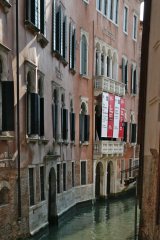
San Francesco della Vigna is located in the eastern part of Castello, in a quiet and still very residential area, away from the main routes between Rialto and St Mark's Square. The church, its convent and their gardens form a vast Franciscan complex whose volumes are gradually revealed from the neighbouring calli.
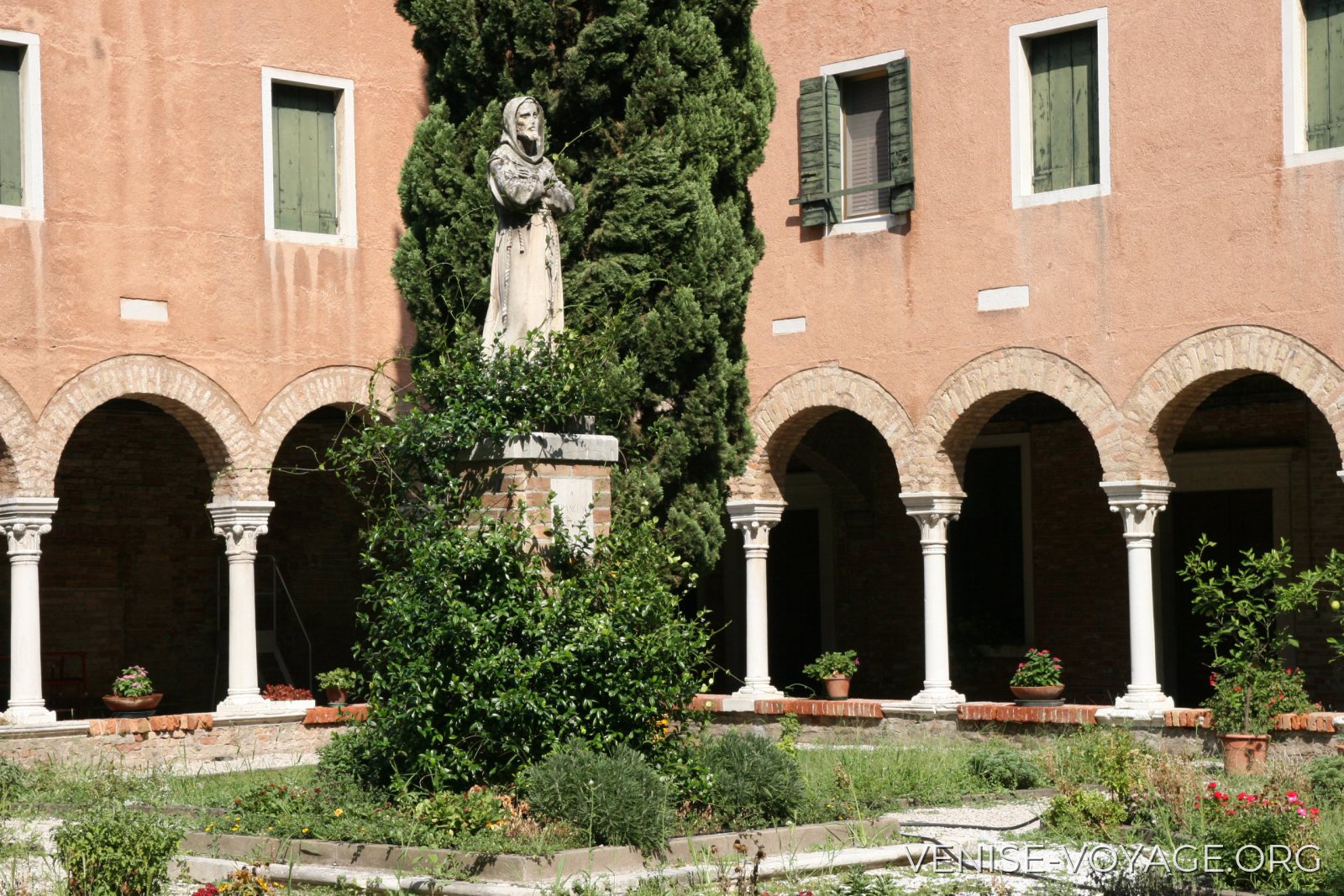
Its name preserves the memory of the vineyard that already occupied these grounds when the Franciscans settled there in the 13th century. This origin is not merely toponymic: a vineyard still survives inside the convent complex, behind the walls that isolate the estate from the bustle of the city.
Having become too small for a growing population, particularly due to the nearby activity of the Arsenal, the medieval church was replaced from 1534 onwards. The project was entrusted to Jacopo Sansovino, then principal architect of the Republic, who designed a spacious, luminous building suited to Franciscan preaching. Construction was completed around 1554.
Architecture, Chapels and Works to Discover
A Major Façade by Andrea Palladio
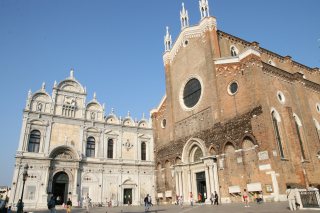
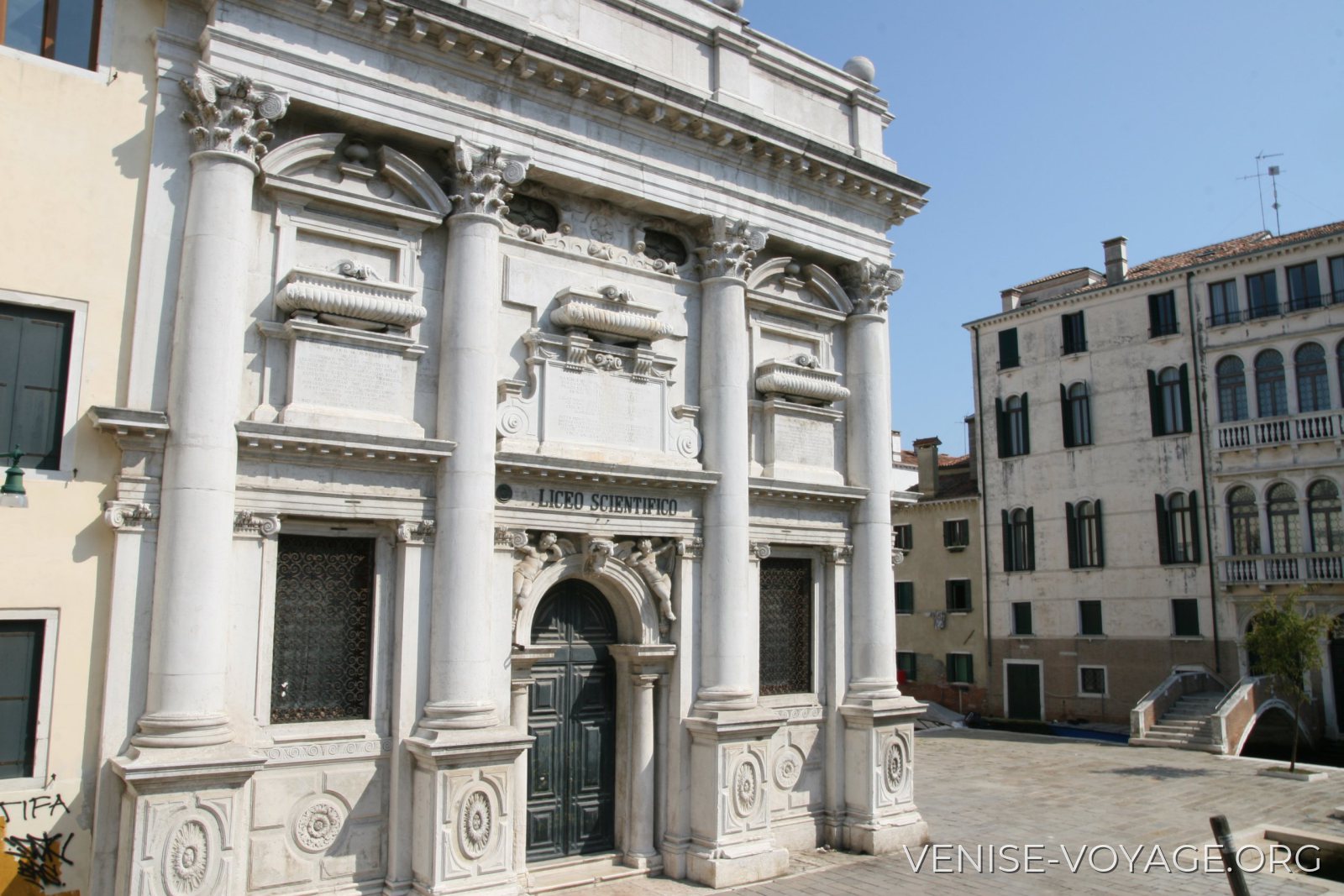
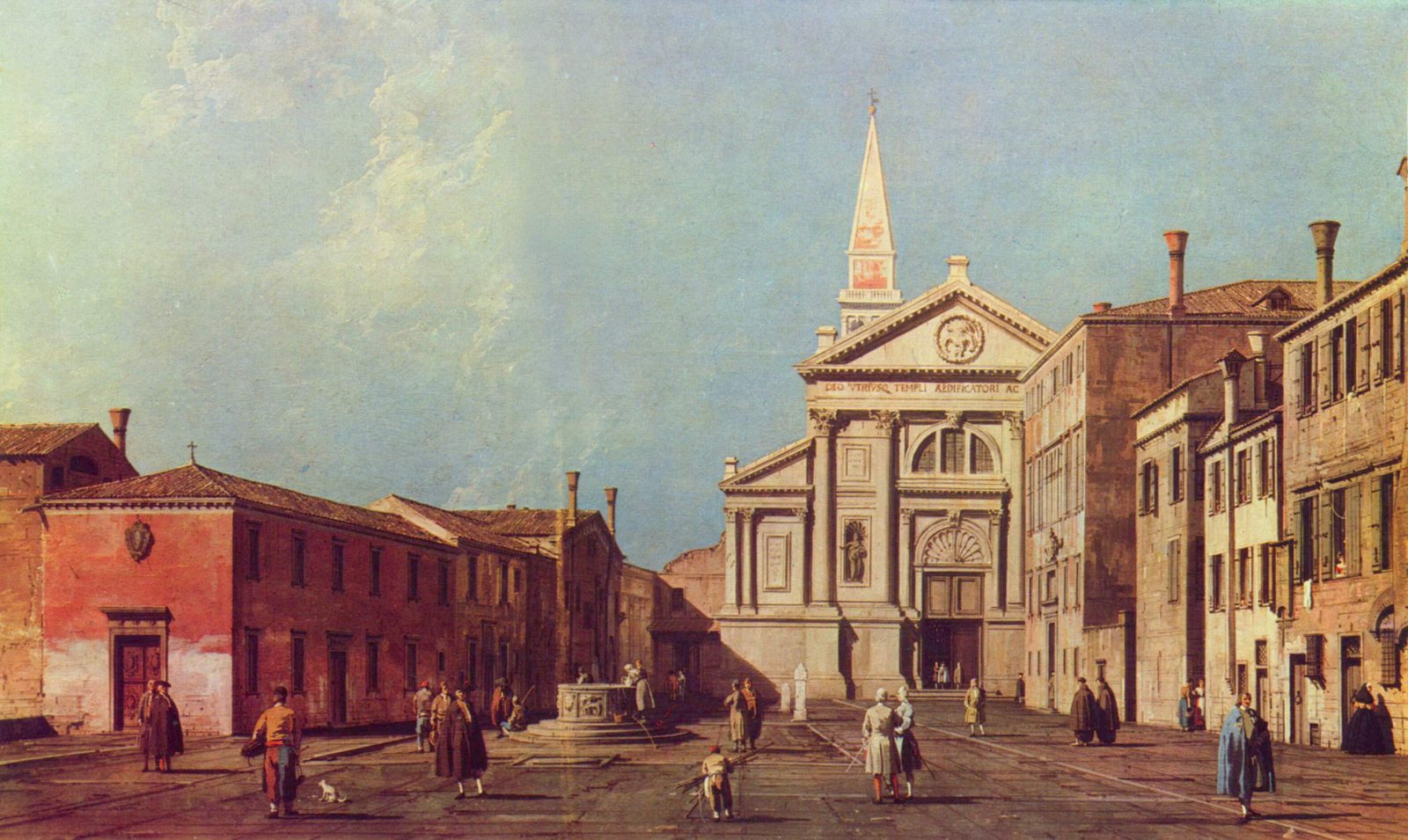
The large Istrian stone façade was designed by Andrea Palladio from 1564, at the request of Patriarch Giovanni Grimani. The architect superimposed two compositions inspired by ancient temples to visually unify the tall central nave and the lower side sections. This solution, still experimental, foreshadows those he would develop with greater confidence at San Giorgio Maggiore and the Redentore.
The interior adopts a Latin cross plan, with a wide nave lined with family chapels. Its architecture initially seems sober: light walls, regular arches and clean lines lead the eye towards the high altar and the deep monks' choir. This apparent simplicity, however, serves as a setting for a much richer decoration than it seems.
The proportions of the building were worked out with the Franciscan Francesco Giorgi, a theologian passionate about the relationships between numbers, music, the human body and the divine order. The dimensions of the nave, transept and presbytery thus obey harmonic and symbolic ratios: here, even square metres have a spiritual vocation.
Among the most important works is the Holy Family with Saint John the Baptist, Saint Anthony Abbot and Saint Catherine, painted in 1551 by Paolo Veronese for the Giustiniani chapel. This composition is considered the first work the painter executed in Venice, before the great decorative schemes that established his reputation in the city.
The presbytery also preserves the funerary monuments of Doge Andrea Gritti and Triadano Gritti. In the chapels and adjacent spaces there are other paintings and sculptures, notably by Palma il Giovane, Domenico Tintoretto and Giambattista Tiepolo. A small work by Giovanni Bellini is also kept in the chapel accessible from the cloister.
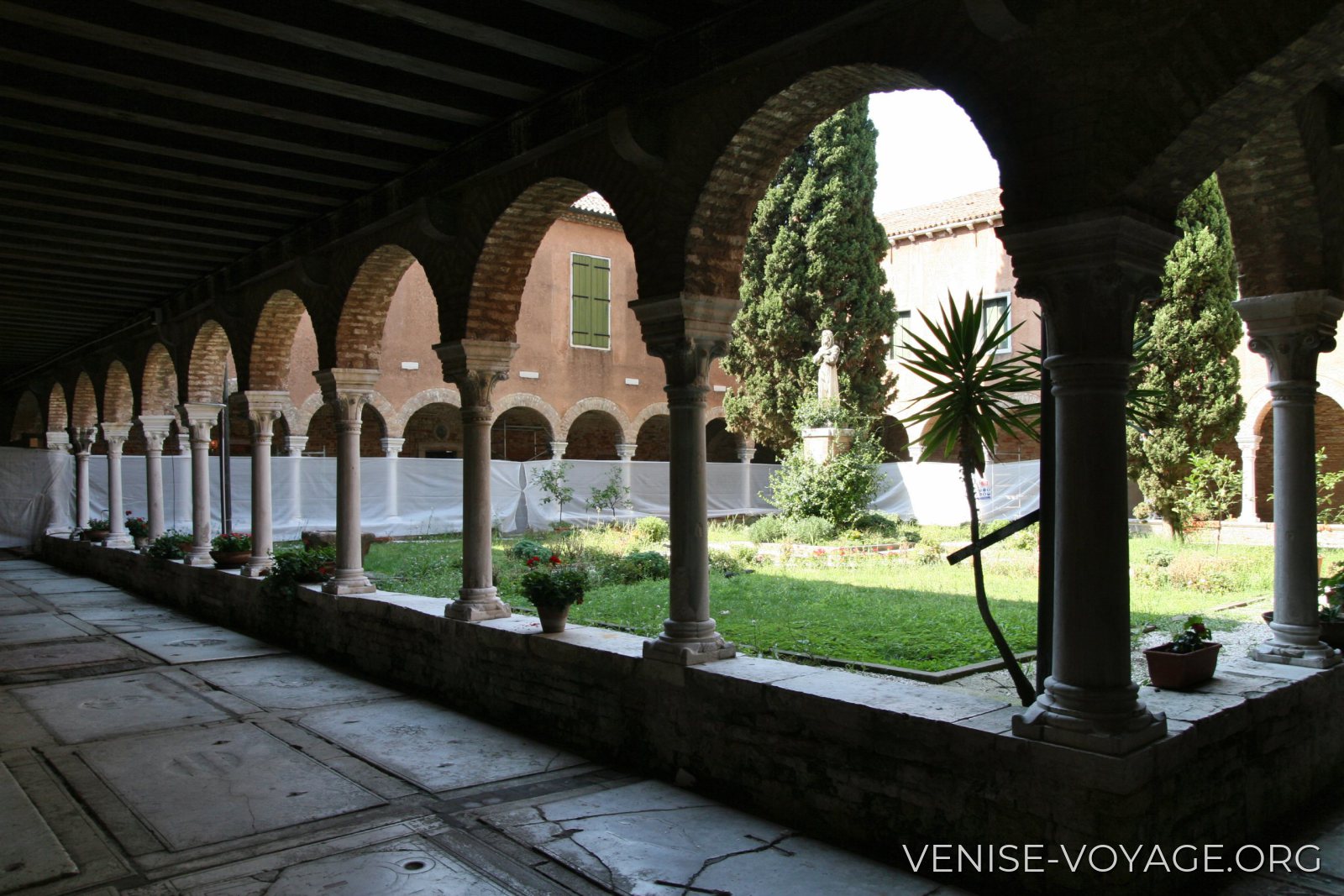
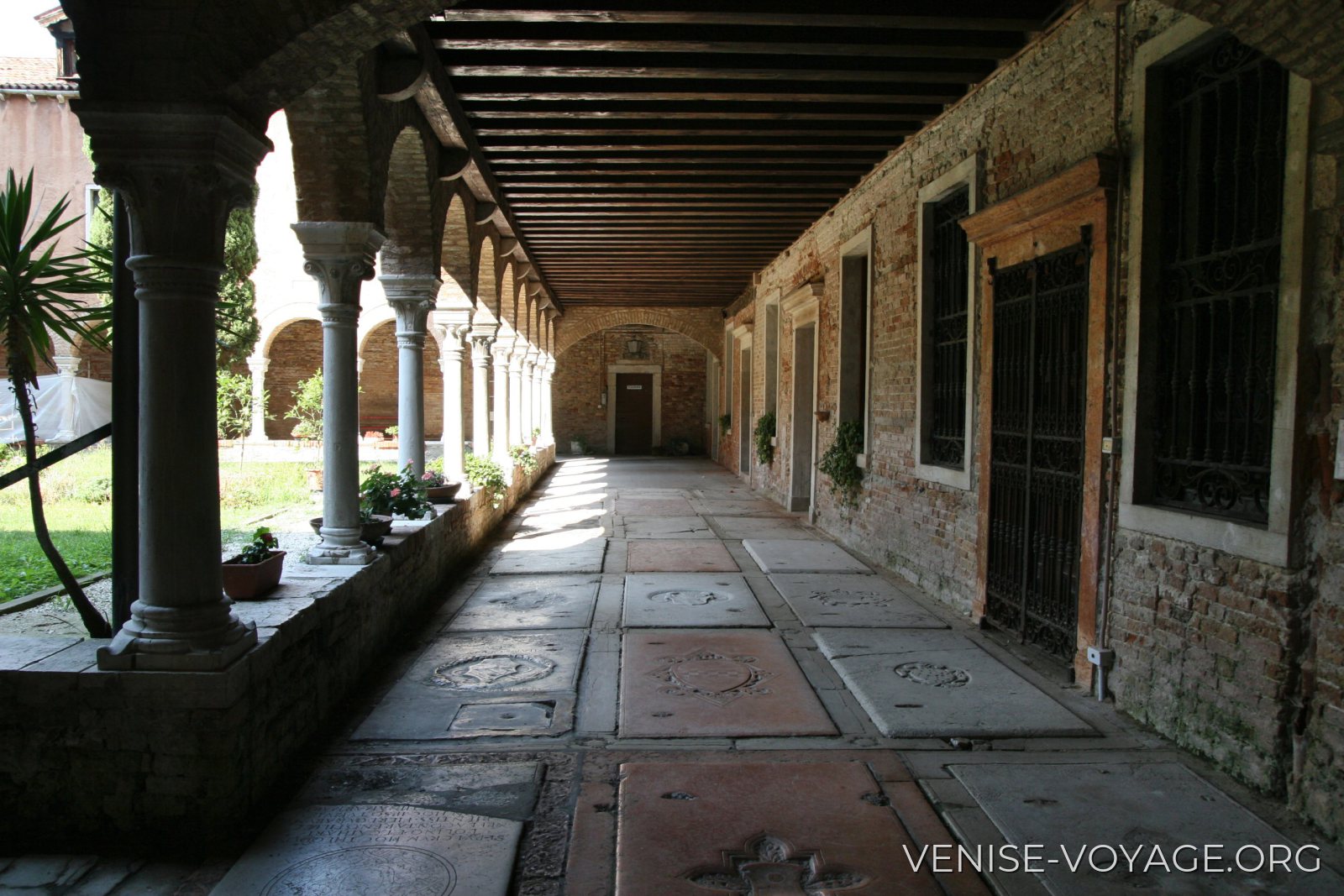
The convent complex includes several cloisters, an important historical library and study spaces still used by the Franciscans. The gardens and vineyard are not necessarily accessible during an ordinary visit, but their presence explains the unusual extent and secluded atmosphere of the estate.
Visiting the church requires a little more attention than some immediately spectacular monuments in the centre. It nevertheless brings together in one place Sansovino's architecture, Palladio's façade, Venetian painting and Franciscan history, in a setting generally far less crowded.
Gallery
Sources and Further Information
Istituto di Studi Ecumenici San Bernardino – church and convent ; Palladio Museum – San Francesco della Vigna ; Venezia Unica – Castello, naval art and traditions.
Map and route
Near San Francesco della Vigna and places in the district
In the Castello sestiere