San Francesco del Deserto Island
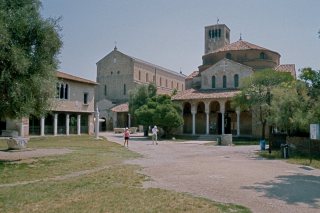
A small monastery island occupied by Franciscan friars since the 13th century, San Francesco del Deserto offers, among cypresses and silence, one of the most contemplative stops in the lagoon, with the church, the cloister, and the gardens.
San Francesco del Deserto, the island of silence
Between Burano and Sant’Erasmo, San Francesco del Deserto is a small island entirely occupied by a convent of Franciscan friars. No public vaporetto serves it directly: from Burano, you must continue by private boat, water taxi, or the shuttle service indicated by the community. This relative difficulty of access greatly helps preserve one of the most peaceful atmospheres in the lagoon.
The island has however been frequented long before the installation of the religious. Archaeological excavations have uncovered remains dating from the 1st, 4th, and 5th centuries AD. In the Middle Ages, it was known as Isola delle Due Vigne, «Island of the Two Vineyards», and belonged to the Venetian patrician Jacopo Michiel.
The current name of San Francesco del Deserto appeared later. In the 15th century, the island was temporarily abandoned due to the unhealthy conditions of this part of the lagoon: it then literally became «deserted». The religious later returned and developed the conventual complex seen today.
However, the history was not continuous. In 1806, the Napoleonic suppressions forced the Franciscans to leave the island, which was then used for military purposes, notably as a powder depot under the Austrian administration. It was returned to the diocese of Venice in 1858, allowing the return of the friars and the progressive restoration of the convent.
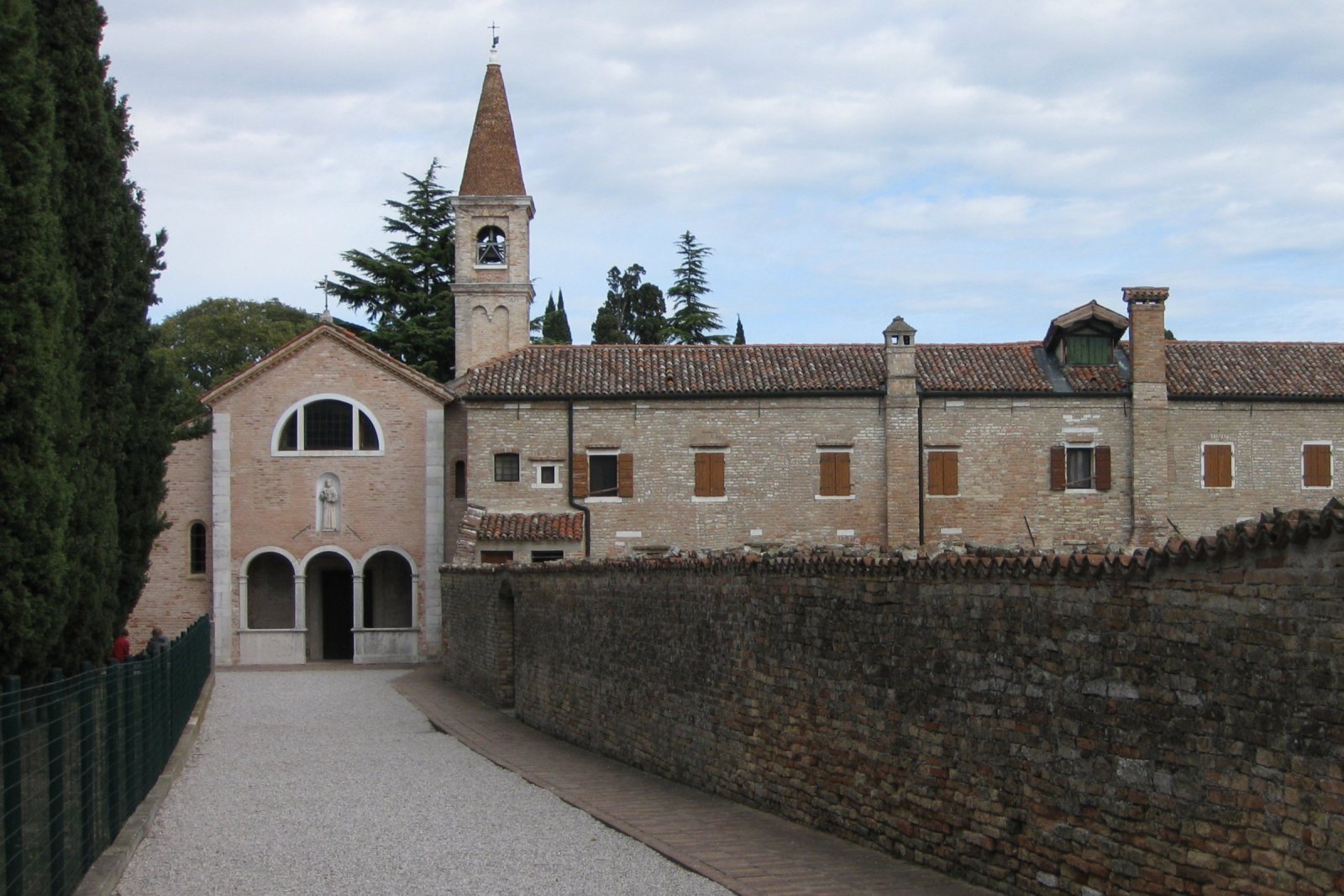
San Francesco del Deserto
Today, San Francesco del Deserto remains an active religious site, dedicated to prayer, silence, and spiritual welcome. The visit is not free: it is led by a friar, lasts about forty minutes, and allows you to discover the church, the cloisters, and part of the gardens. There is no mandatory entrance ticket, but a free contribution is suggested to help maintain the island.
Opening hours are intentionally limited and may vary according to the life of the community. It is therefore advisable to check them before traveling, especially since the final journey from Burano must also be arranged in advance.
Places to discover at San Francesco del Deserto
The cloisters of San Francesco del Deserto
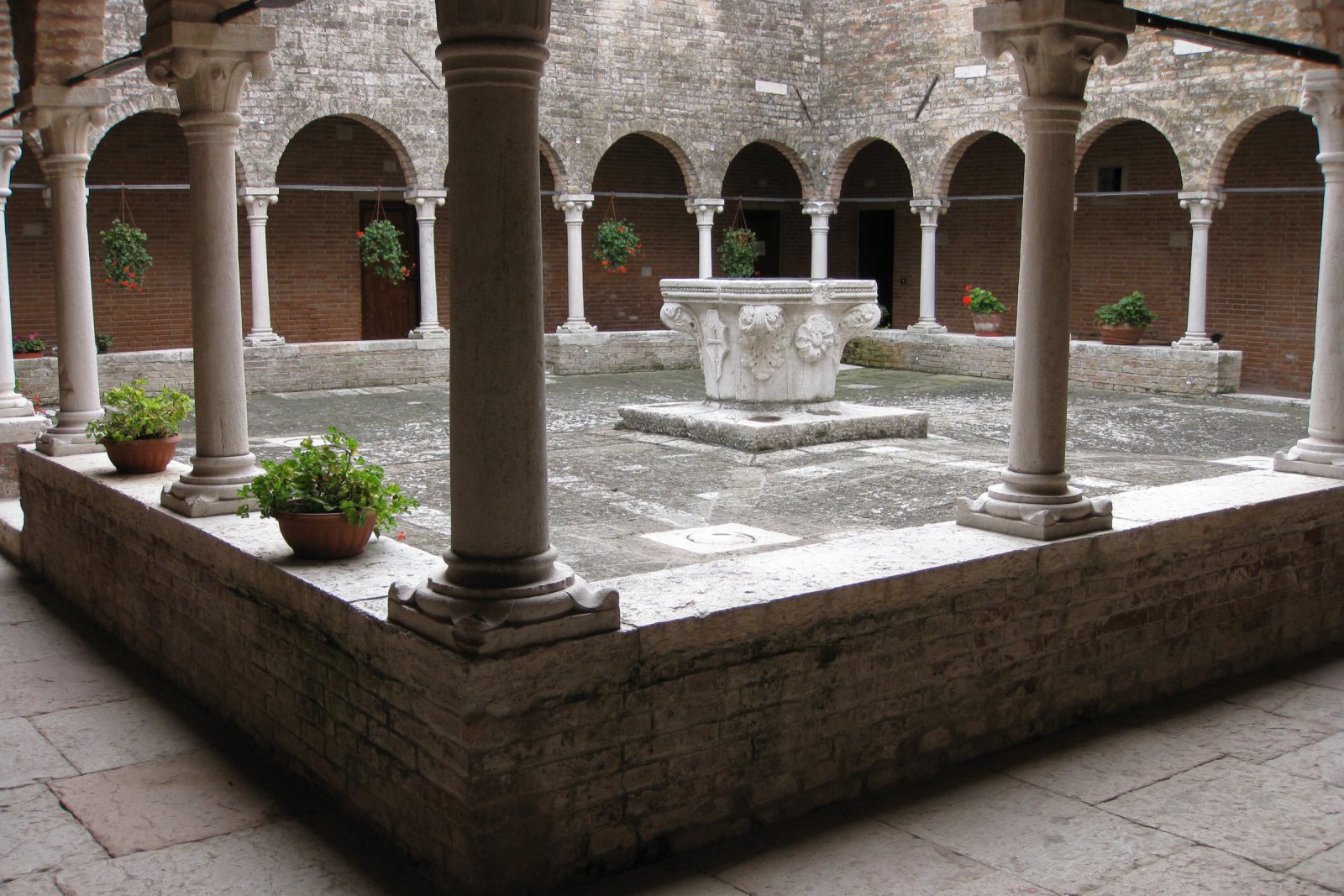
The two cloisters of the convent allow you to read several centuries of Franciscan history. The first dates back to the 13th century, even if part of its current architecture results from restorations undertaken after the return of the religious in the 19th century. Its old pavement is still preserved below the current floor level.
At the center is a 15th-century well traditionally associated with Saint Bernardine of Siena. The second cloister, laid out in the second half of the 15th century under the direction of Brother Nicolò Erizzo, serves in particular the refectory, community spaces, library, and the friars' cells.
These spaces form the heart of the convent. Their interest lies less in spectacular decoration than in the superposition of medieval, Renaissance, and modern periods in an ensemble that has remained dedicated to religious life.
Visit: accessible only as part of the tour accompanied by the friars.
San Francesco del Deserto
The church of San Francesco del Deserto
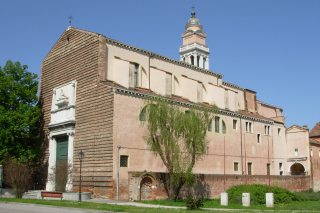
The current convent church retains several stages of construction. A first small church dedicated to Saint Francis is said to have been built as early as the 13th century; its remains are still partially visible under the building. The current church, with a single nave and exposed framework, was built in 1401 thanks to the support of the Venetian noblewoman Frangola Giustinian.
The sanctuary was subsequently transformed several times in the 15th, 17th, and 20th centuries. Its architecture remains deliberately sober, in keeping with the Franciscan character of the place, but it retains medieval elements, a presbytery remodeled in the Renaissance, and several devotional spaces linked to the history of the order.
Nearby is also the oratory of Saint Francis, traditionally identified as the place where the saint is said to have prayed during his stay on the island. A Latin inscription still recalls this memory. Since 1989, the church has officially held the status of a Franciscan sanctuary.
Visit: included in the guided tour of the convent
The gardens and the outdoor route
The gardens of San Francesco del Deserto occupy a large part of the small island and strongly contribute to its secluded character. Lawns, trees, paths, and spaces maintained by the community surround the conventual buildings and visually isolate them from the rest of the lagoon.
Part of the garden is included in the visit. The outdoor route allows you to observe the different construction phases of the church, traces of old buildings, and the walls that once encircled the island. On the Burano side, there also remains an embankment built during the Napoleonic occupation against the old 15th-century enclosure.
The park today hosts several contemporary works linked to Franciscan spirituality, including a large statue of Saint Francis and a series of terracotta panels dedicated to the Canticle of the Creatures. These interventions remain discreet and blend into an environment where vegetation and silence matter more than monumentality.
Sources and additional information
San Francesco del Deserto – official history of the island ; San Francesco del Deserto – church, cloisters, and visit route ; San Francesco del Deserto – visits and access ; Venezia Unica – San Francesco del Deserto.
Map and route
Nearby places to stay
Sur le même thème