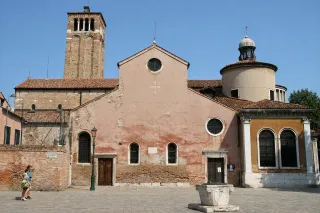
Mocenigo Palace-Museum Museum
This palace-museum in Santa Croce is dedicated to costumes, textiles, patrician interiors and perfume. It is suitable for a more in-depth discovery of the district. Less spectacular than the Doge's Palace, but closer to everyday life, illustrating Venetian international trade, craftsmanship and the taste for luxury that were concretely reflected in the apartments and right down to the smallest details.
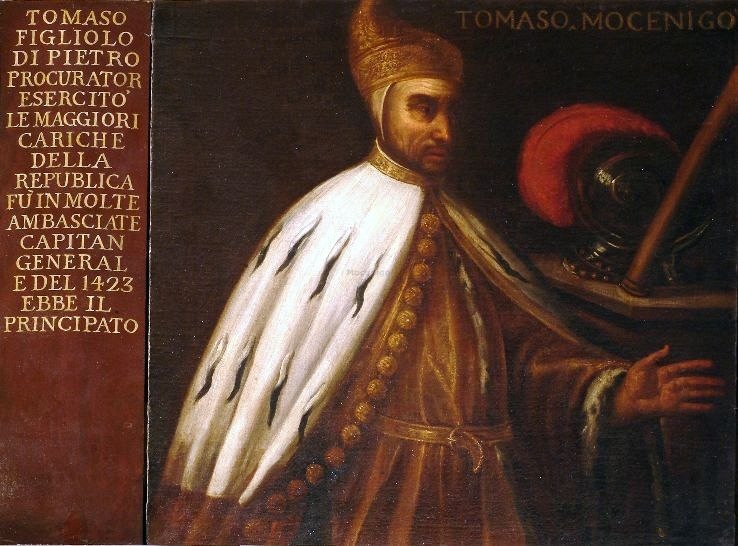
Mocenigo Palace, Textiles and Patrician Life
The Palazzo Mocenigo is located in the Santa Croce sestiere, a few steps from the San Stae church. More discreet than the great residences overlooking the Grand Canal, it allows visitors to enter a Venetian patrician palace on a more intimate scale, where the collections remain closely linked to the rooms, the decor and the life of the family that occupied it.
Of Gothic origin, the building was gradually enlarged and profoundly remodeled at the beginning of the 17th century. Its facades on the salizada and on the Rio de San Stae are notably punctuated by large serlian windows. Inside, the rooms are organized around the portego, a vast through hall characteristic of Venetian noble residences, used for circulation but also for receptions and social representation.
Opened to the public in 1985, the palace now houses the Museum of Textiles, Costume and Perfume. The itinerary, completely redesigned and enlarged in 2013, unfolds across about twenty rooms on the first piano nobile. It combines furniture, paintings, glassware, decorative objects, clothing and accessories to recreate the atmosphere of an aristocratic residence of the 17th and 18th centuries.
Clothing as a Social Language
The costumes on display are not simply fashion pieces. Shaped fabrics, embroideries, lace, buttons, fans and accessories indicated the rank, wealth, age or function of the wearer. In a patrician society based on representation, appearance constituted a carefully codified language, sometimes framed by sumptuary laws intended to limit the most excessive displays of luxury.
The rooms also preserve frescoes, precious wooden doors, sculpted and gilded frames, as well as Rococo or Neoclassical furniture. Several ceilings were decorated in 1787 for a wedding of the Mocenigo family, reminding us that great family events were also an opportunity to renew the decor and affirm the prestige of the house.
The museum also houses an important study center dedicated to the history of textiles, costume and perfume. Its collections come in particular from the Correr, Cini and Guggenheim holdings and from the former International Center for Arts and Costume at Palazzo Grassi. A specialized library and numerous fashion drawings complete this ensemble intended for researchers as well as exhibitions.
The perfume itinerary combines objects, bottles, raw materials, multimedia devices and olfactory experiences. It shows that scents were not only a matter of seduction: they were also attributed hygienic, medicinal or protective virtues, in an era when corrupted air was still considered a vector of disease.
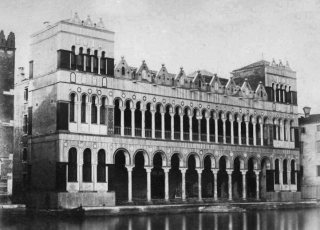
The Palazzo Mocenigo complements particularly well the visit to Ca' Pesaro and the Fontego dei Turchi. Where the former is dedicated to modern art and the latter to natural history, Mocenigo brings the visitor back to the inhabited interior: the clothing, objects, smells and daily uses that animated a noble residence.
Sources and Further Information
Palazzo Mocenigo – MUVE ; Palazzo Mocenigo – location and history ; Palazzo Mocenigo – routes and collections ; Venezia Unica – Santa Croce.
Map and route
Near the Mocenigo Palace-Museum and places in the district
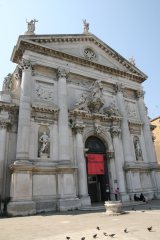 Church
San Stae
116 m
Church
San Stae
116 m
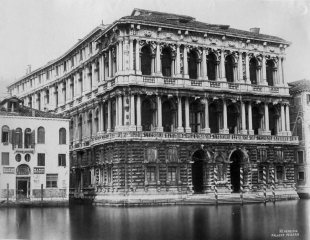 Museum
Ca’ Pesaro
124 m
Museum
Ca’ Pesaro
124 m
 Museum
Fontego dei Turchi
191 m
Church
San Zan Degolà
201 m
Museum
Fontego dei Turchi
191 m
Church
San Zan Degolà
201 m
In the Santa Croce sestiere